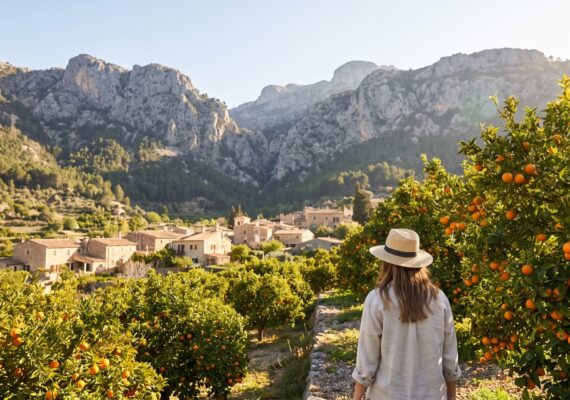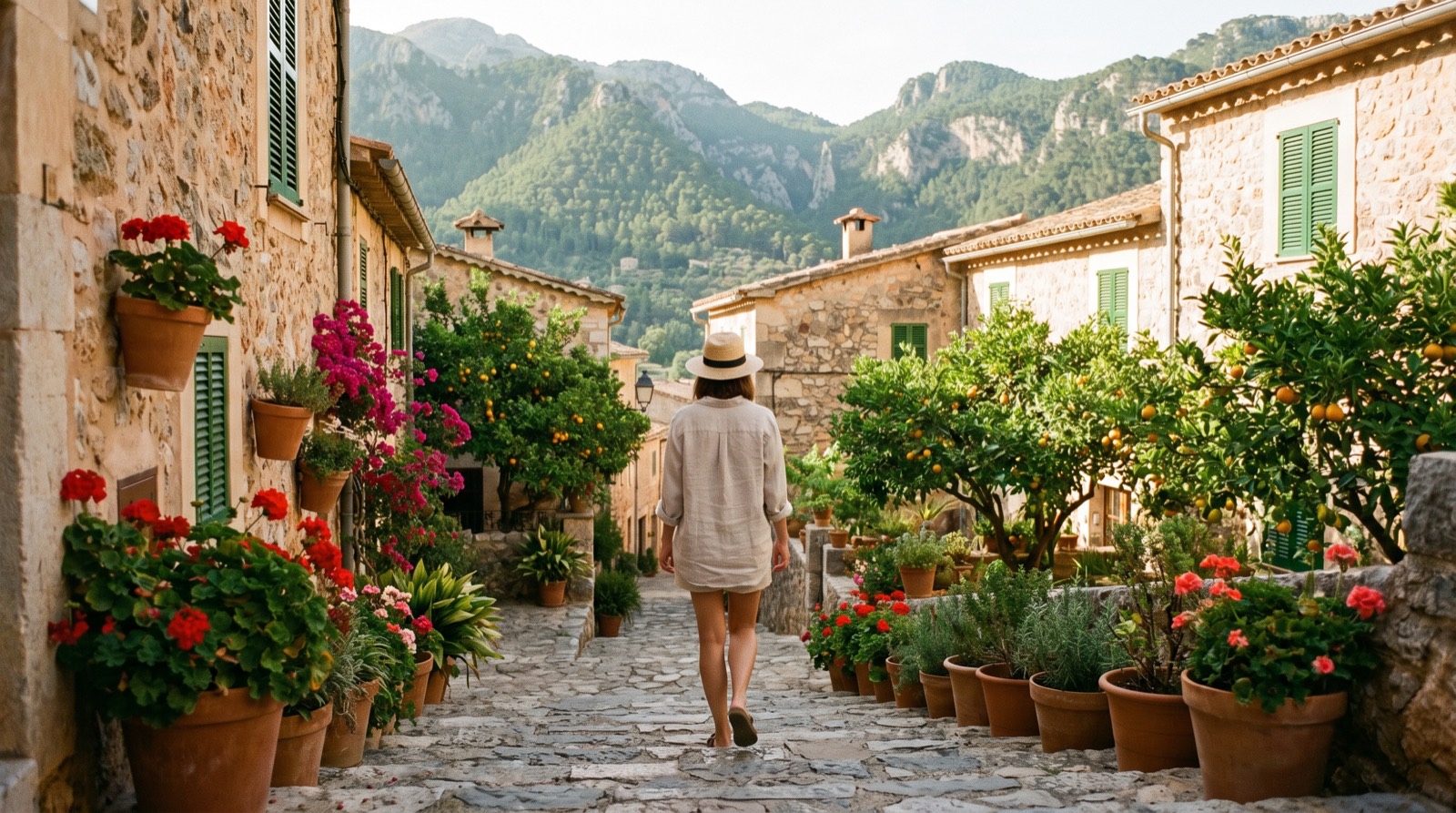
Deià is one of the most beautiful villages in Mallorca, and one of the most honest if you’re thinking of actually living here: it pays to know exactly what it is and what it isn’t. It has no supermarket, no doctor, no secondary school. It has around 600 people, a narrow mountain road, sea views that stop you mid-sentence, and a silence that is almost impossible to find in the twenty-first century. For anyone who fits with all of that, it is quite literally one of the most privileged places to live in the whole Mediterranean. For anyone who needs more day-to-day services, Sóller is ten minutes away and is the real base for daily life.
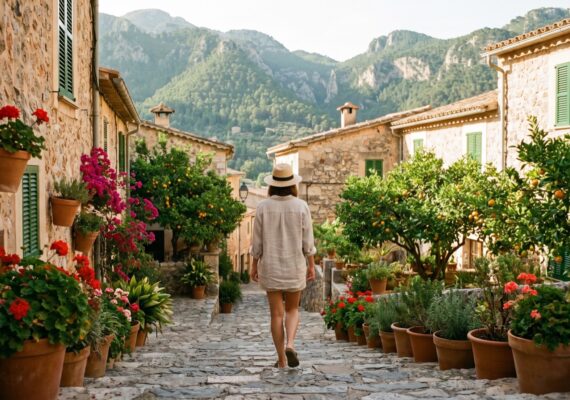
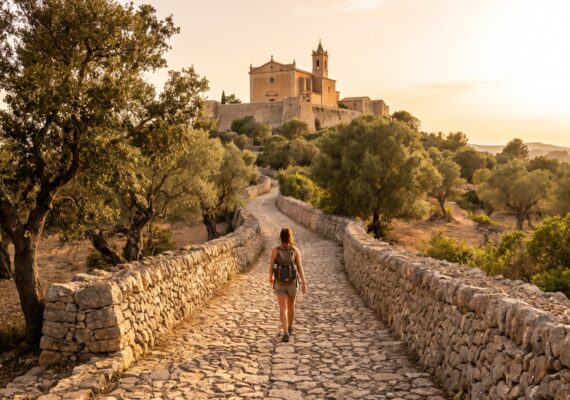
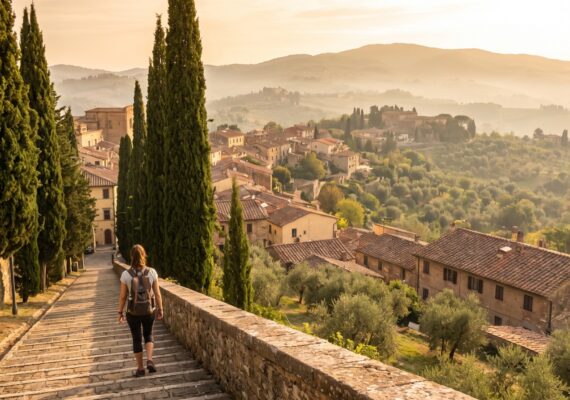
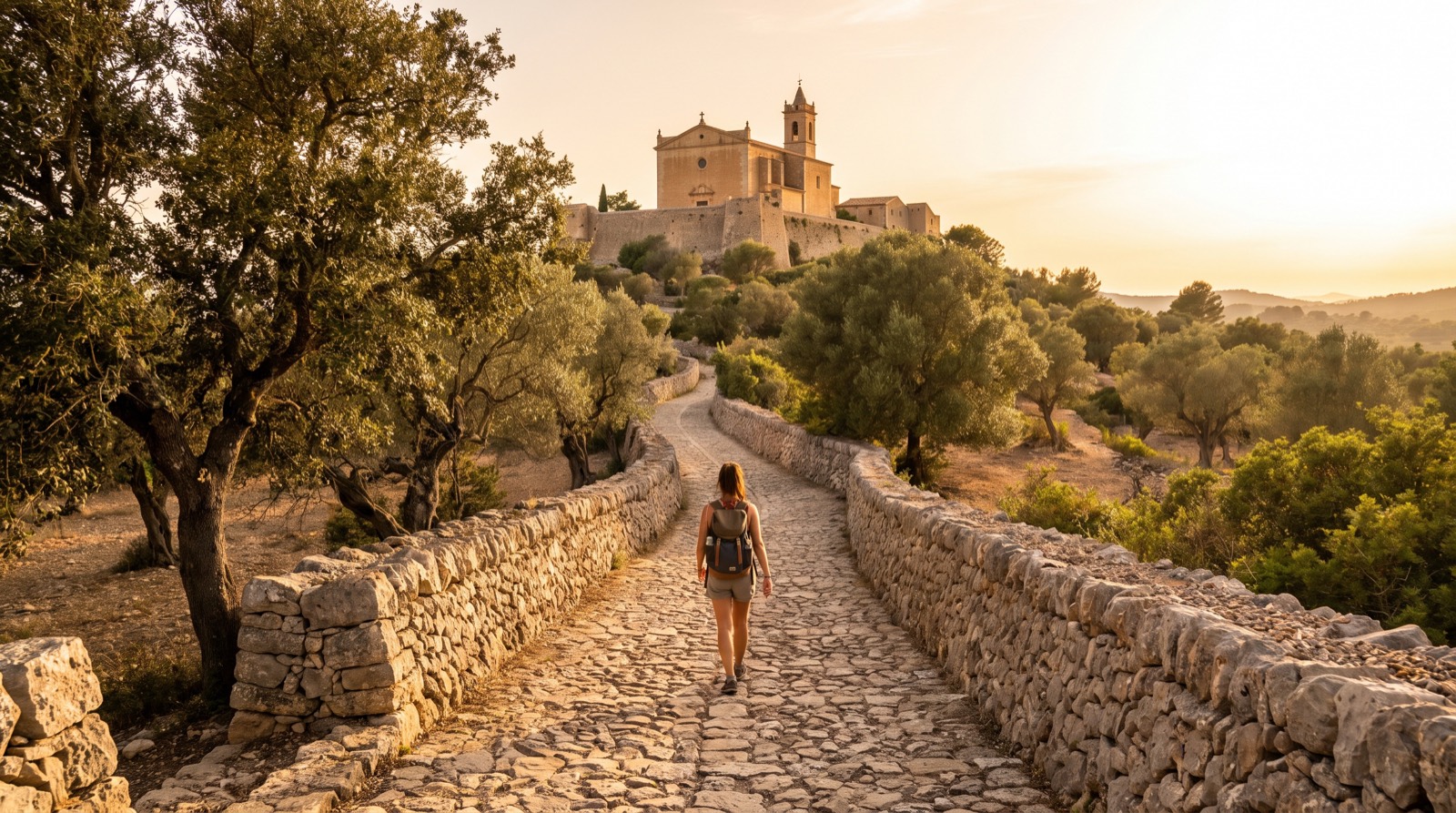
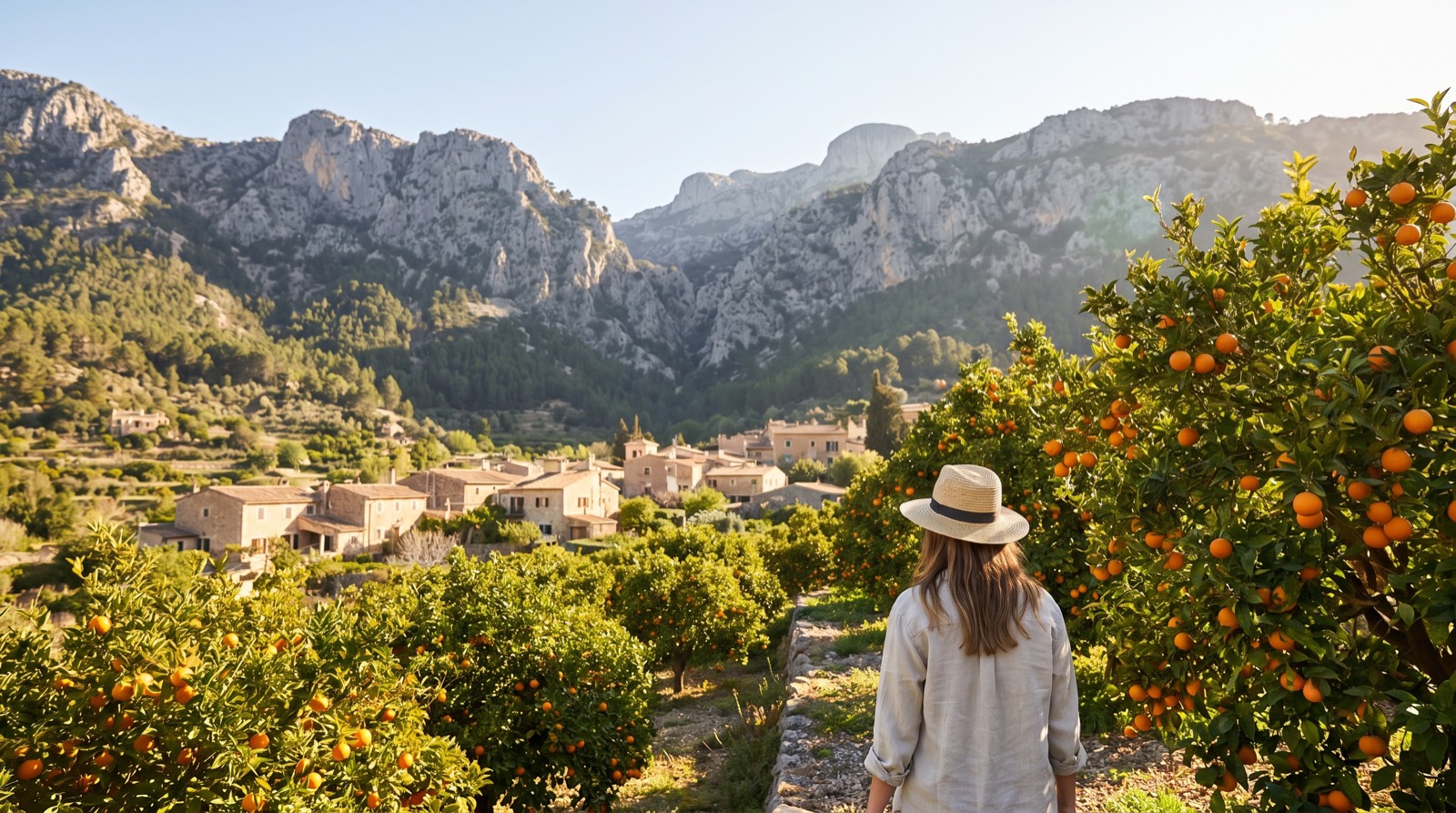
Set in the Serra de Tramuntana, in the municipality that shares its name alongside Lluc Alcari and Es Puig, Deià is an old quarter of stone houses on a hillside overlooking the sea, ringed by olive groves and mountain. Its beauty has drawn artists, writers and people from all over the world since the twentieth century, and today it is one of the most exclusive villages in Mallorca, with a high-calibre international community and, proportionally, the highest property prices on the island.
Real life
What living in Deià is really like: silence, beauty and self-reliance
Let’s be clear about it: Deià is a village for people who can organise themselves with a great deal of self-reliance. There’s no large supermarket, no health centre, no pharmacy, no secondary school. The village has a handful of restaurants, a bar or two and little else in the way of shops. For everything else — the weekly shop, the doctor, school, the bank — you go to Sóller, about ten minutes away by car along a narrow, winding mountain road. That road, by the way, is one to master and respect: it’s safe, but it isn’t for anyone who is uncomfortable driving at height and with little margin for error.
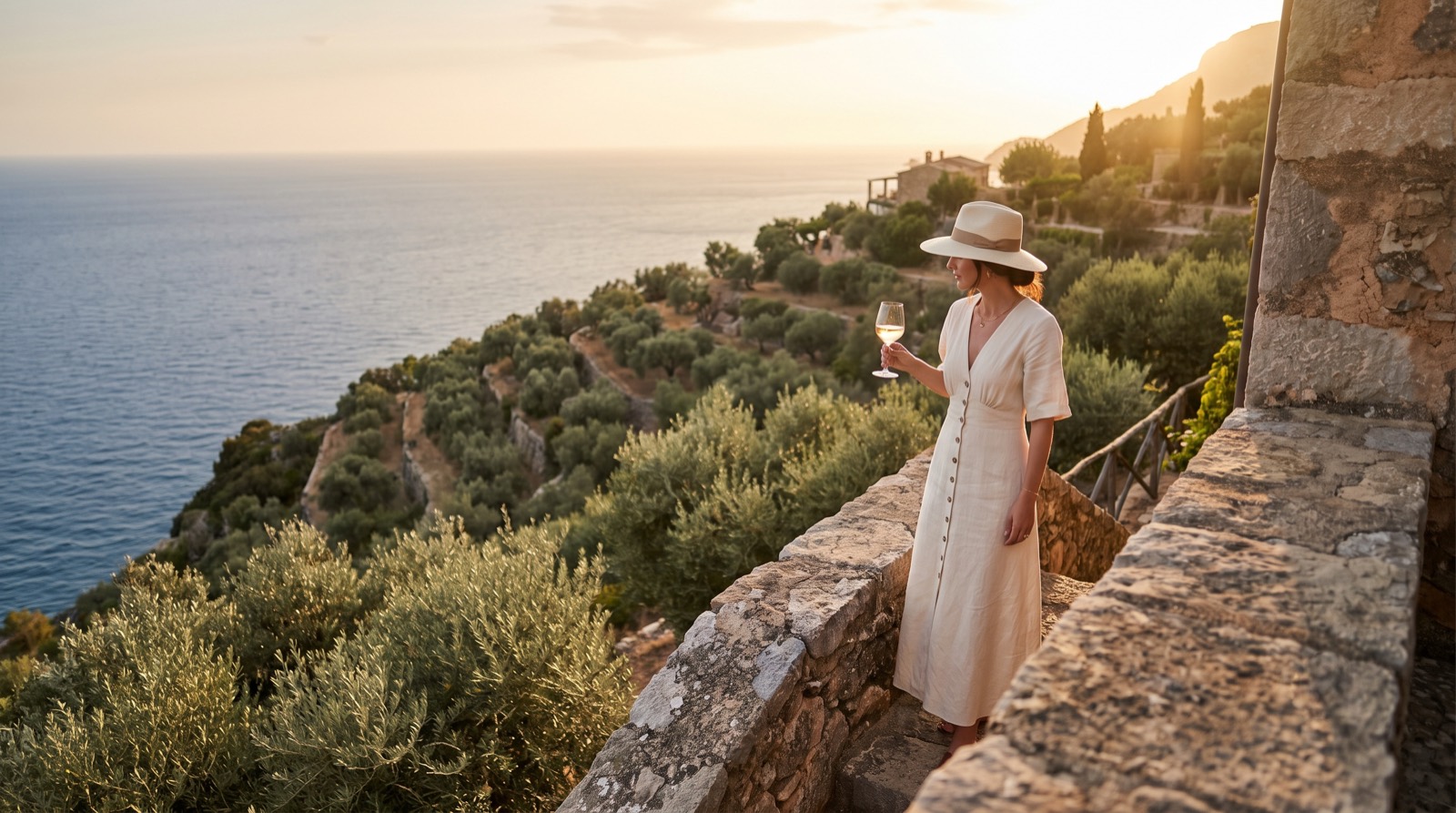
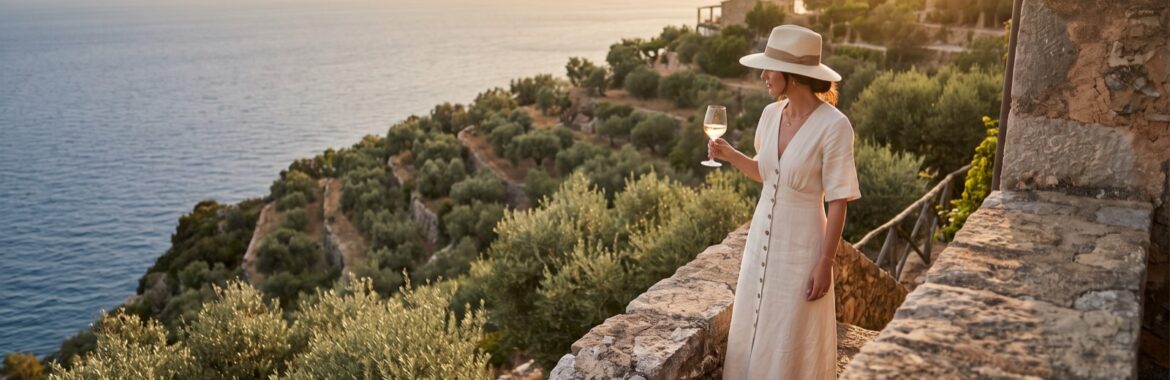
What Deià offers in return is hard to put a number on. The stillness, the beauty of the surroundings, the quality of the air and the light, the olive groves running down to the sea, the sound of birdsong with the Mediterranean in the background — all of it is on another level. It’s a village where everyday life happens at a different scale: neighbours know one another, the rhythm is the rhythm of nature, and privacy is real. For anyone who works remotely and wants an inspiring setting without giving up connectivity, Deià is one of the best places in the Mediterranean. For families with school-age children, or for anyone who needs frequent medical services, the reliance on Sóller is something to take on board from the very start.
The community in Deià is remarkable: artists, writers, musicians, architects, designers and high-profile professionals from all over the world who have found their refuge here. It’s a small village with a density of interesting conversations per square metre that you won’t easily find anywhere else on the island. That, combined with the beauty, is the reason so many people who could live anywhere in the world choose this corner of the Tramuntana.
The figure
Robert Graves and Ca n'Alluny
The figure who has left the deepest mark on modern Deià is Robert Graves, the British writer and poet who chose this village to live in back in 1929 and who wrote some of his most important works here, including I, Claudius. Graves lived in Deià almost until his death in 1985 and is buried in the village’s small cemetery, in a quiet corner overlooking the sea. His grave is a place of quiet pilgrimage for readers and admirers from all over the world.
His house, Ca n’Alluny, has been restored as a house-museum and can be visited. The living quarters, the library, the garden with the sea views that so shaped his writing: everything is kept just as Graves left it. It’s one of the most authentic literary museums in Spain, and a visit the residents of Deià can make with the ease of someone who has that piece of history two steps from home.
Graves’s spirit drew other artists, and for decades Deià was a creative hub where musicians, painters and writers of several generations settled or spent long stretches. That artistic DNA is still alive in the village’s community today.
The viewpoints
Son Marroig, Sa Foradada and the sunset
A couple of kilometres from the village, on the road towards Valldemossa, stands Son Marroig, the estate of Archduke Ludwig Salvator of Austria, the explorer and naturalist who, in the late nineteenth century, travelled and documented the Balearic Islands in exhaustive detail. The estate, with its garden and its sea views, can be visited. But what makes this place special is the Sa Foradada viewpoint: a small rocky finger reaching out into the sea with a natural hole pierced through its tip. The sunset from Son Marroig, with Sa Foradada in the foreground and the sun dropping into the Mediterranean, is one of the most photographed and most moving sights in the whole Tramuntana.
The sea
Cala Deià: down the ravine to the water
Deià’s way out to the sea is Cala Deià, reached by walking down the ravine for about 20-25 minutes. It’s a cove of pebbles and stones, no sand, with water of an intense, cold blue that springs straight from between the mountains. It isn’t a comfortable beach in the conventional sense: there’s no sand and no services in winter. But the experience of walking down through the ravine, past the olive and fig trees and the sound of running water, to reach that solitary cove between the cliffs, is one of those things you remember.
In high season there are two or three beach restaurants in the cove that serve good food and act as a meeting point for residents and visitors alike. The rest of the year, the cove is left almost entirely to those who live here. For Deià’s residents, walking down on a Wednesday in January and swimming alone in that cold, intense water is part of the luxury of living here.
Logistics
Connections, the car and distances
Deià is in the Tramuntana, which means narrow mountain roads in every direction. Palma airport is around 40-45 minutes away by car via the MA-10 or the Sóller tunnel. Sóller, the services base for Deià’s residents, is about ten minutes away. Valldemossa, in the other direction, is around fifteen. Palma itself is about 45 minutes.
A car is absolutely essential for living in Deià. There is no realistic public-transport alternative for daily life. And you need to be comfortable with mountain roads: narrow, winding, and busy with lorries and tourists in summer. It isn’t difficult, but it’s something to accept as part of life here.
Where to live
What property is like in Deià
Deià is, alongside Formentor, one of the places with the most expensive property in Mallorca. Demand is enormous — from international buyers with serious purchasing power — and supply is very limited, since the village is small and development heavily restricted. Country houses, stone houses in the old centre, properties with sea or mountain views: everything carries a price that reflects the exclusivity of the setting and the profile of those who buy here. This is not an area for anyone looking for the most affordable option in the north.
For those who can and want to pay that price, what Deià offers — beauty, silence, a high-quality community, the Tramuntana at the door and Sóller ten minutes away — is hard to replicate anywhere else in the world. We know the area well and can guide you on the options available within the municipality.
Common questions
Frequently asked questions about living in Deià
Does Deià have the basic services to live there all year round?
Very few in the village itself. There are a few restaurants and little more. For a supermarket, pharmacy, doctor, school or bank you have to go to Sóller, about 10 minutes away by car along the mountain road. Anyone living in Deià takes that journey on as part of the routine. For families with school runs or frequent medical needs, it’s essential to be completely clear about this from the start.
Is Deià connected to Palma?
Yes, by car: around 40-45 minutes via the Sóller tunnel or the MA-10. There’s no practical direct public-transport link for day-to-day life. A car is essential. The mountain road demands attention and practice, especially in winter in the rain or in summer with heavy tourist traffic.
Why is property in Deià so expensive?
Because of the combination of very high international demand, very limited supply (the municipality is small and development heavily restricted), and a beauty and exclusivity that are almost unique in the Mediterranean. Deià’s buyers are a very specific profile — people with high purchasing power looking for a quality refuge — and the scarcity of supply keeps prices at the very top of the Mallorcan market.
Is Deià suitable for families with children?
It depends. For small children, the natural setting and the calm are extraordinary. But there’s no school in Deià: children go to school in Sóller (10 min), which means a daily drive. For secondary education, Sóller also has a state secondary school. If that isn’t a logistical problem, the quality of life for children in that setting is unbeatable; if it becomes too much of a daily burden, villages with their own school are more practical.
What kind of person lives in Deià?
A fascinating mix: Mallorcans from the village’s long-established families, artists and writers (following in the footsteps of Graves), remote professionals seeking inspiration and quality of life, and high-profile retired international residents. It’s a small community but with a remarkable density of interesting characters. Social life, though limited in choice, has a very particular quality to it.
Is Deià worth it if I can afford it?
For the right profile, it’s hard to beat anywhere in the Mediterranean. Real silence, exceptional beauty, a quality community, Sóller ten minutes away for the everyday, and the Tramuntana at the door. People who live in Deià and fit with its scale and rhythm rarely regret it. Those who need more services or more village social life tend to find Sóller or Pollença a better base.
Is it for you?
Is Deià the place you're looking for?
Deià is a perfect fit if you’re looking for beauty, silence and exclusivity, you work remotely or your life doesn’t depend on everyday services within the village itself, and you’re willing to take on the prices of one of the most sought-after settings in the Mediterranean. It’s less suited to you if you need services close at hand, you’re not comfortable with mountain roads, or you’re after more social life and more activity. In that case, Sóller — ten minutes away — offers all of that with surroundings that are hardly a compromise.
If you can picture yourself living in Deià, get in touch: we know the Tramuntana and the area well, and we’d be delighted to help you find your place.