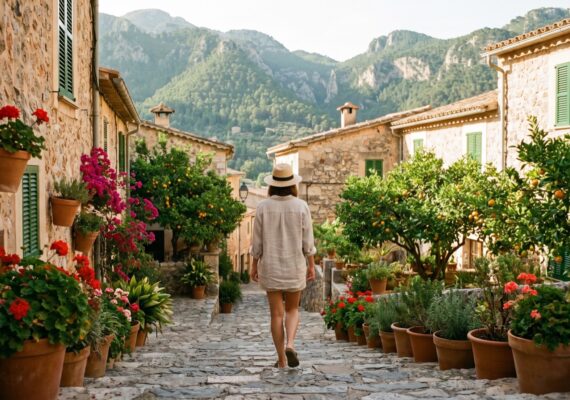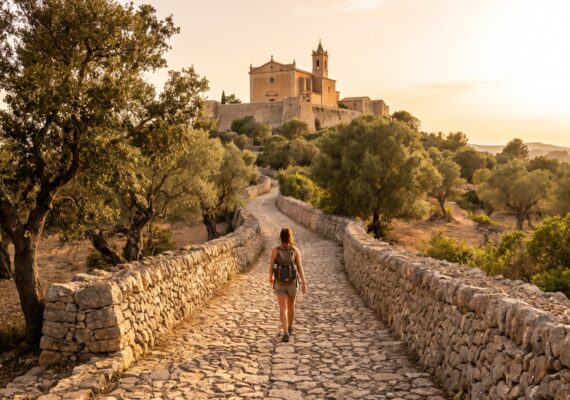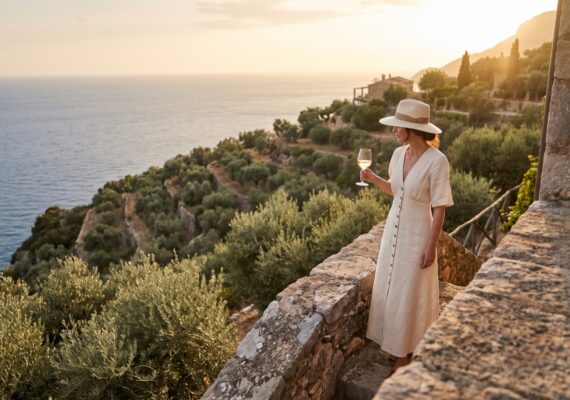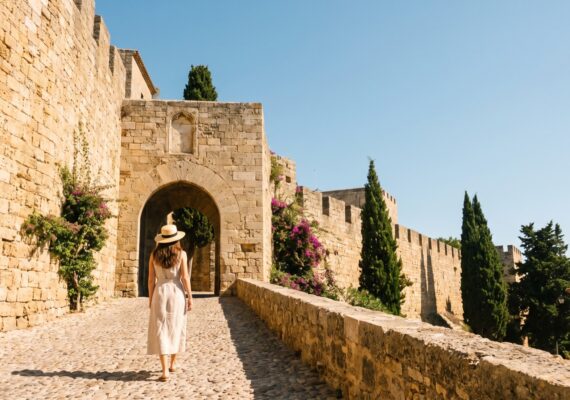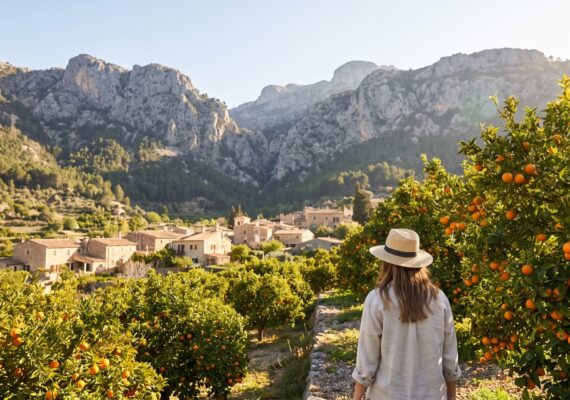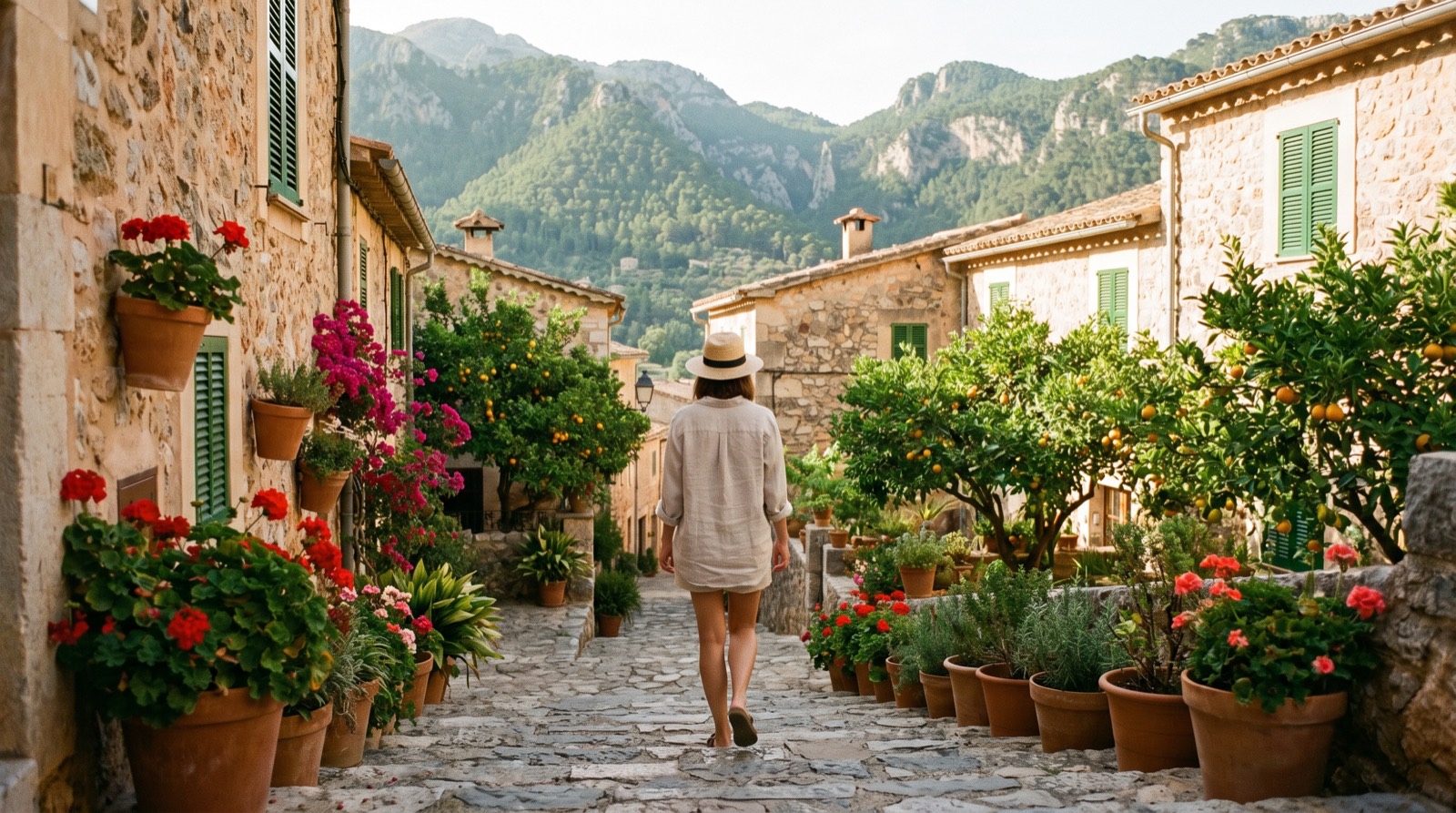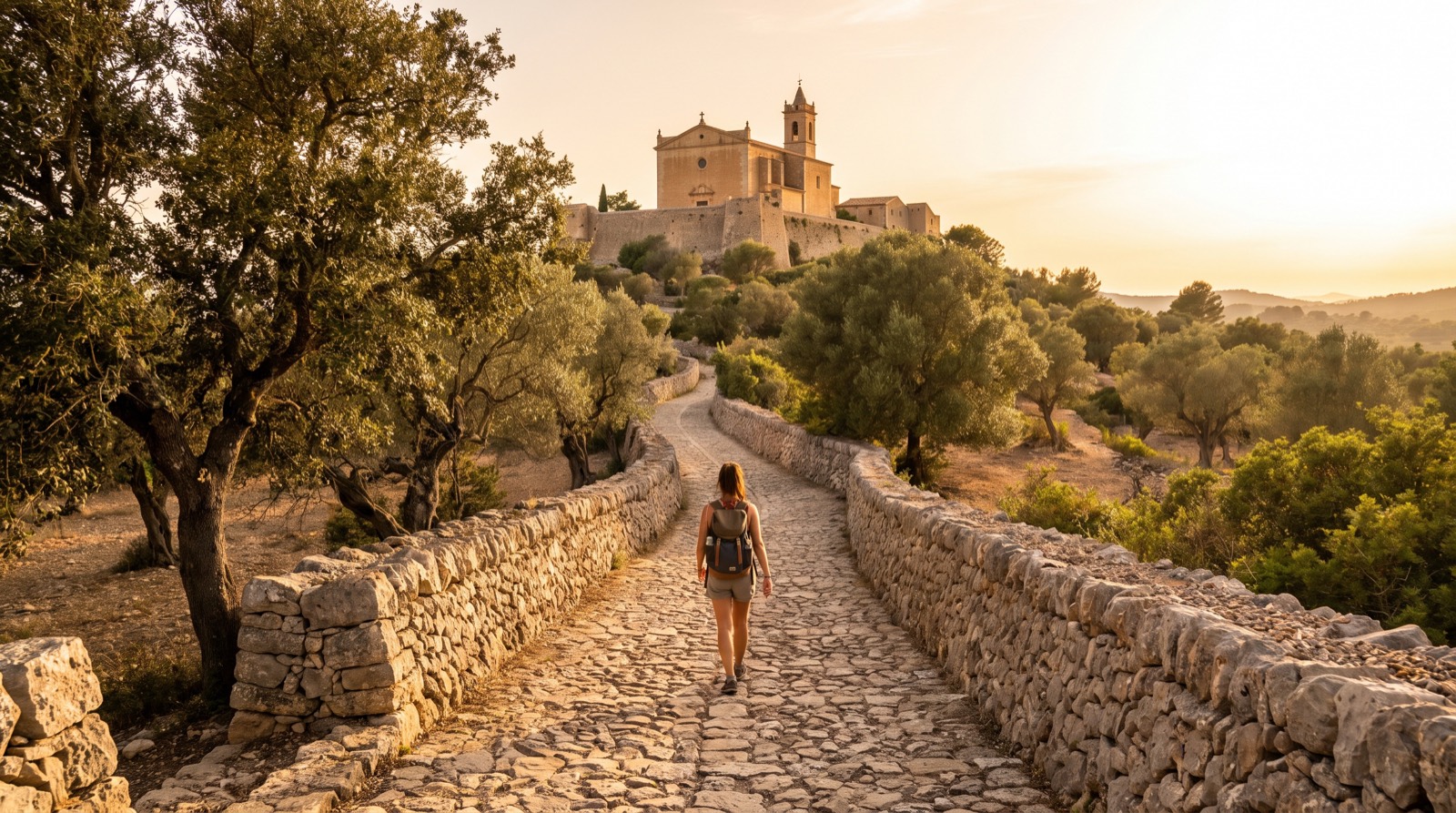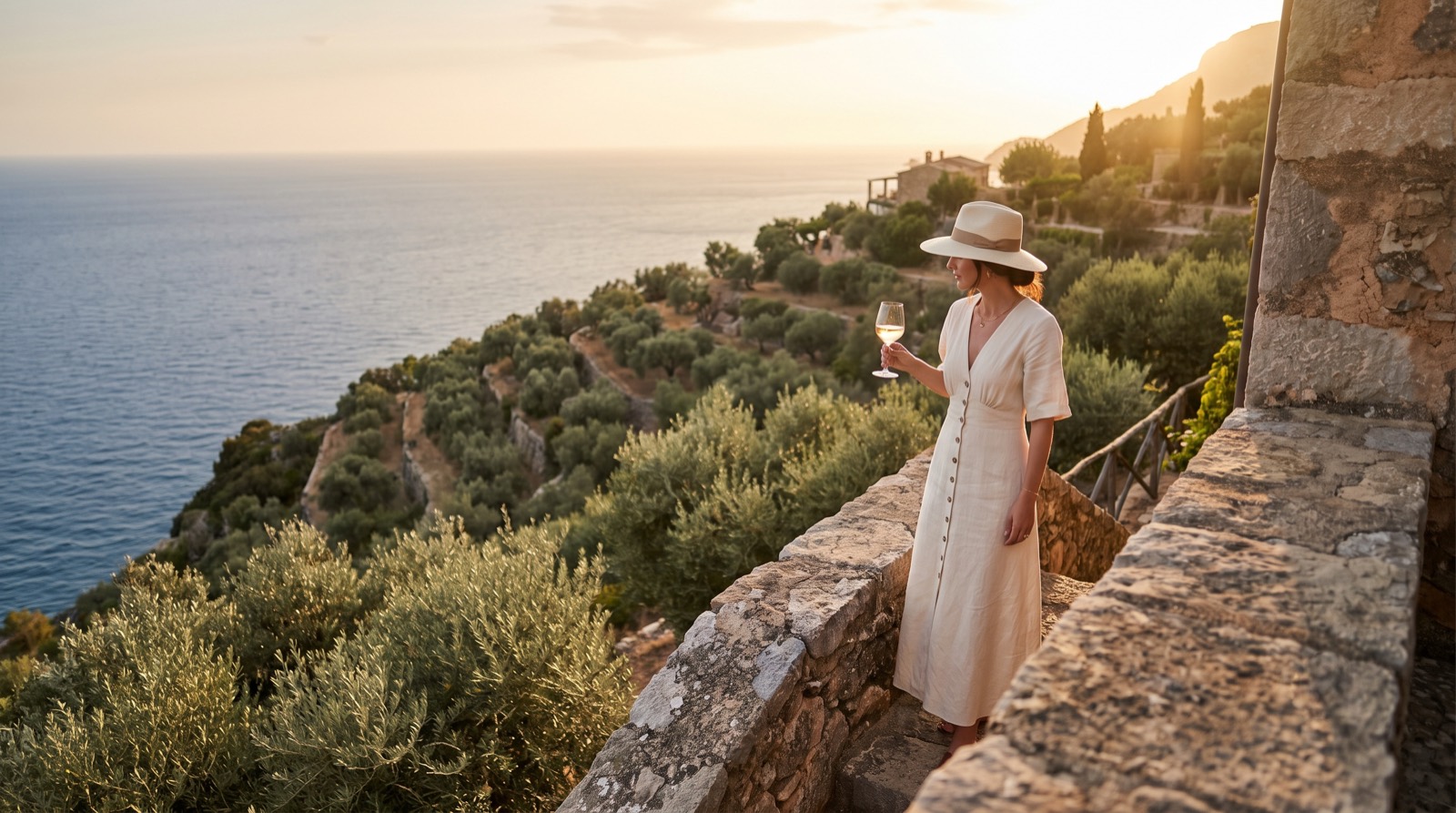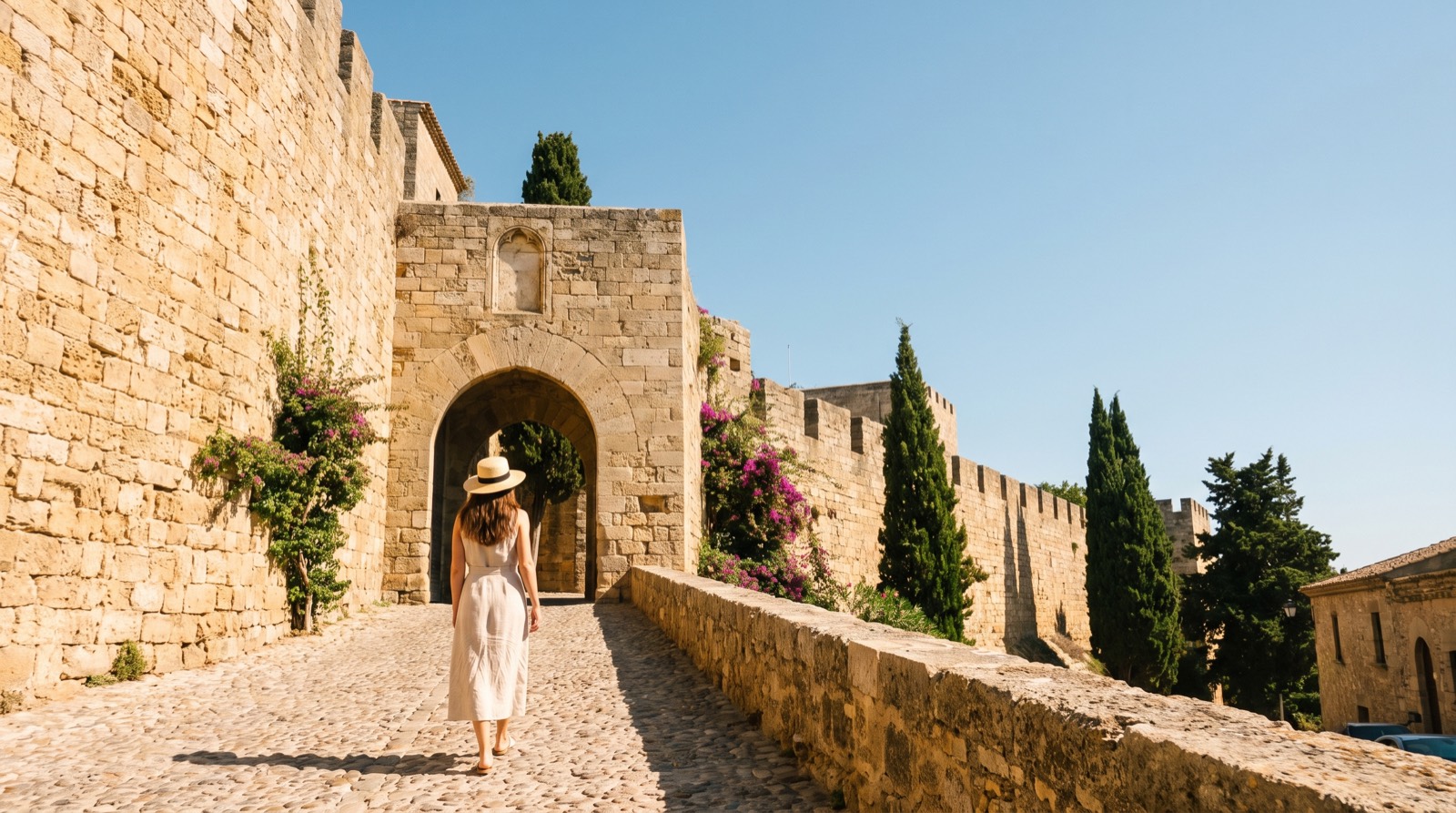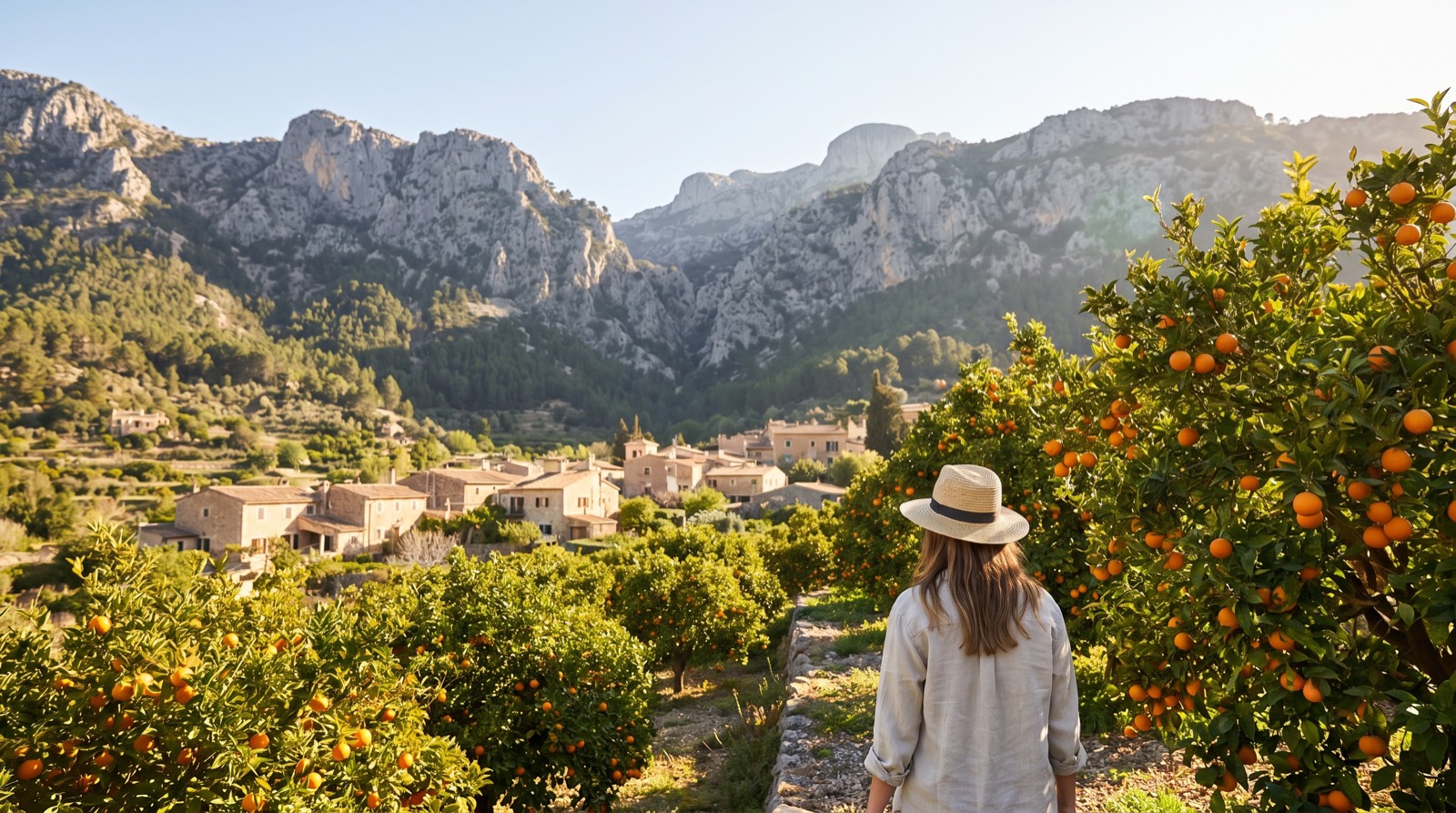
Pollença is one of those northern Mallorcan villages that seems to have it all: a beautiful historic centre, mountains, sea and a cultural life that doesn’t shut down in winter. The Calvari with its 365 steps, the Sunday market — one of the best on the island —, the Music Festival in the cloister, the Port de Pollença and the spectacular Formentor peninsula just a short hop away. And an international community settled here for decades that makes it cosmopolitan without ever losing its character. We’ll tell you what living here is really like.
Set at the far north of Mallorca, where the Serra de Tramuntana reaches down to the sea, Pollença occupies one of the most spectacular spots on the island. The village itself is a well-preserved historic centre of narrow stone streets, with lively squares and a calm, refined Mediterranean feel. It’s one of the few places on the island where the standard of living and the cultural atmosphere stay high all year round.
Real life
What it's really like to live in Pollença all year round
Pollença is a village with life twelve months of the year, which isn’t all that common in the north of Mallorca. It has supermarkets, a health centre, schools, banks and a range of restaurants and shops that don’t fade away in autumn. Its Sunday market — spread across the main square and the streets of the old town — is one of the liveliest and most complete on the whole island, with stalls of clothes, flowers, crafts and local produce that turn Sunday morning into one of the best plans of the week.
The community in Pollença is notably cosmopolitan. There’s a very well-established international set — British, German, Scandinavian, Dutch — that has lived here for decades and mixes very naturally with the local population. This gives the village an open, welcoming feel, with a good cultural offering, galleries, bookshops and varied restaurants. It’s a place where arriving from elsewhere and finding interesting people is relatively easy.
The winter atmosphere is quiet but never lifeless. The terraces on the square ease their pace, restaurants cut their hours, but the village keeps running. For many residents, winter in Pollença is the best time of year: morning walks through a historic centre with no tourists, a calm Sunday market and the chance to head to Formentor or Cala Sant Vicenç in complete tranquillity. That duality — a lively summer and a real village in winter — is exactly what makes it interesting as a permanent home.
Mountain and faith
The Calvari and the Puig de Maria
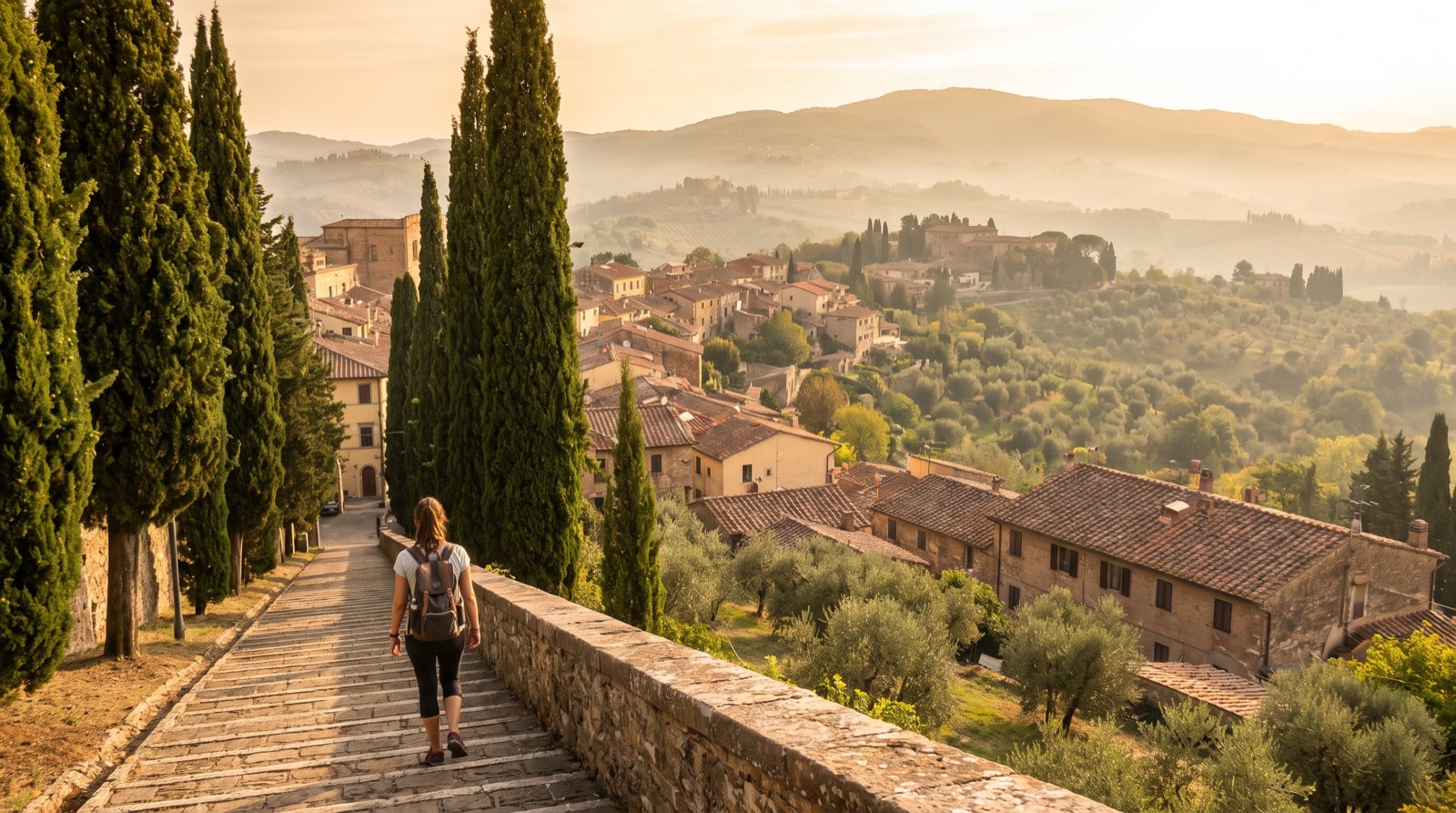
Pollença’s two great lookout points don’t require going far. The Calvari is the village’s most iconic image: a stairway of 365 steps lined with cypresses that climbs to the chapel of Nostra Senyora del Peu de la Creu, with views over the village, the plain and the bay. Climbing the Calvari at dawn, the cypresses still in shadow and the light just beginning to touch the rooftops, is one of those experiences residents repeat without ever tiring of it. During Holy Week, too, the Devallament procession descends this stairway in one of the most moving moments of the Mallorcan calendar.
A little further out but still close, the Puig de Maria is a hill crowned by a medieval sanctuary that commands the entire bay of Pollença and much of the north of the island. It’s a roughly 45-minute walk up from the base. In winter, with the sanctuary almost empty, the view over the grey bay and the green fields has a stark beauty very different from its summer self.
The Pont Romà, at the entrance to the village, is another of Pollença’s emblems: a bridge of Roman origin — one of the few that survive in Mallorca — over the Sant Jordi torrent, and the backdrop to the images of festivals and open-air events. A stroll from the village out to the bridge and back is how many residents spend their afternoons.
Culture
The Pollença Music Festival
Every summer, the cloister of Sant Domingo hosts the Pollença Music Festival, one of the oldest and most respected classical music festivals in Spain. The acoustics of the cloister, the evening concerts and the calibre of the performers who pass through have made it a cultural reference point that draws audiences from across Europe. For anyone living in Pollença, being able to hear first-rate live music in a 16th-century cloister twenty minutes’ walk from home is an unusual privilege.
Beyond the festival, the cloister of Sant Domingo houses the local museum and art exhibitions throughout the year. Pollença has a discreet but genuine art scene, with permanent galleries, local artists and a tradition of collecting that goes back a long way.
The coast
Port de Pollença, Formentor and Cala Sant Vicenç
Five minutes by car from the village is the Port de Pollença, a calm, family-friendly coastal town with a long, well-kept seafront promenade, hotels with history and an atmosphere far removed from mass tourism. It’s the point from which the boats and the shuttle bus set off towards the beach of Formentor and the lighthouse at the tip of the peninsula. That spectacular corner — with its Colomer viewpoint, its pine-fringed beach and its lighthouse at the end of a dizzying road — is around 20 minutes by car out of season, and is one of the great natural jewels of the north of the island.
In the other direction, the bay of Cala Sant Vicenç is one of the lesser-known and most beautiful corners of the north: four small coves wedged between cliffs, with spectacular turquoise water and a very peaceful feel. For anyone living in Pollença, having so much top-quality sea so close is one of the great everyday arguments in its favour.
Logistics
Connections and distances
Pollença sits in the north of Mallorca, which puts it a little further from the airport than the villages of the southeast. Palma airport is around 50-55 minutes away by car, and the capital itself slightly less. The road is comfortable and well signposted. Alcúdia is 10 minutes away; Inca (more services, a railway connection) around 30; Palma roughly 50. For anyone who works in Palma and lives in Pollença, the distance is manageable but worth doing the maths on.
Public transport in Pollença includes buses to Palma and Alcúdia that work reasonably well, though a car is still highly advisable for daily life and for reaching the coves and the mountains.
Where to live
What property is like in Pollença
Pollença offers everything when it comes to property: charming village houses in the historic centre, villas and detached homes in the surrounding residential areas, properties down at the Port and rural country houses with spectacular views over the bay or the mountains. It’s an area of strong international demand, with a well-rooted community and prices to match that appeal. The old town has houses of a particular charm that hold their value very well.
In general, Pollença isn’t a cheap area, but the quality of life and the setting justify it for many. There’s more choice and a wider range of prices than in exclusive spots like Deià, and the services are far more complete. We know the north well and can guide you on which part of the municipality or its surroundings best fits what you’re looking for.
Common questions
Frequently asked questions about living in Pollença
Does Pollença have enough services to live there all year round?
Yes. It has a health centre, primary and secondary schools, supermarkets, banks, pharmacies and a good range of restaurants and shops. For more specialised services or a big shop, Alcúdia and Inca are 10-30 minutes away respectively. There’s no need to go to Palma for day-to-day life.
How far is the airport from Pollença?
Around 50-55 minutes by car. It’s further than from the southeast, but perfectly reasonable for coming and going. The dual carriageway from Inca shortens the journey considerably. For many northern residents, that stretch isn’t a major problem unless you’re travelling constantly.
When is the Pollença market?
Sunday mornings, in the main square and the streets of the old town. It’s one of the best markets on the island for both atmosphere and produce: crafts, flowers, clothes, local products and plenty of social bustle. For anyone living here, the Sunday market is one of the unmissable plans of the week.
Is Pollença expensive to live in?
It’s one of the most sought-after areas in the north of Mallorca, especially the historic centre and properties with views. Property prices are high, more in line with Santanyí than Campos. The Port also has high prices on the seafront. There’s a wider range of prices than in Deià or Formentor, but it isn’t a cheap area.
How do you get to Formentor from Pollença?
By car, around 20 minutes. In high season (June-October), the road is restricted during the day and you have to use the shuttle bus from the Port de Pollença or go by boat. Out of season, you can drive there with complete freedom. For anyone living in Pollença, heading to Formentor on a Tuesday in November is an excursion that feels almost privately yours.
Is Pollença suitable for families?
Yes, especially if you value quality of life, a calm atmosphere and a natural setting. It has primary and secondary schools, the Port de Pollença is ideal for children with its seafront promenade and calm waters, and the mountains and countryside offer plenty of space for activities. The well-established international community makes integration easy for families arriving from elsewhere.
Is it for you?
Is Pollença the village you're looking for?
Pollença is a perfect fit if you’re after a northern village with charm, culture and sea, with life all year round and a cosmopolitan atmosphere that never feels forced. It’s especially good for lovers of hiking and nature, for families with children and for anyone who values cultural life and good taste in their everyday surroundings. It’s less suited to those who prioritise being close to the airport or the lowest prices.
If you can picture yourself living in Pollença, get in touch: we know the north of the island well and would be delighted to help you find your place.