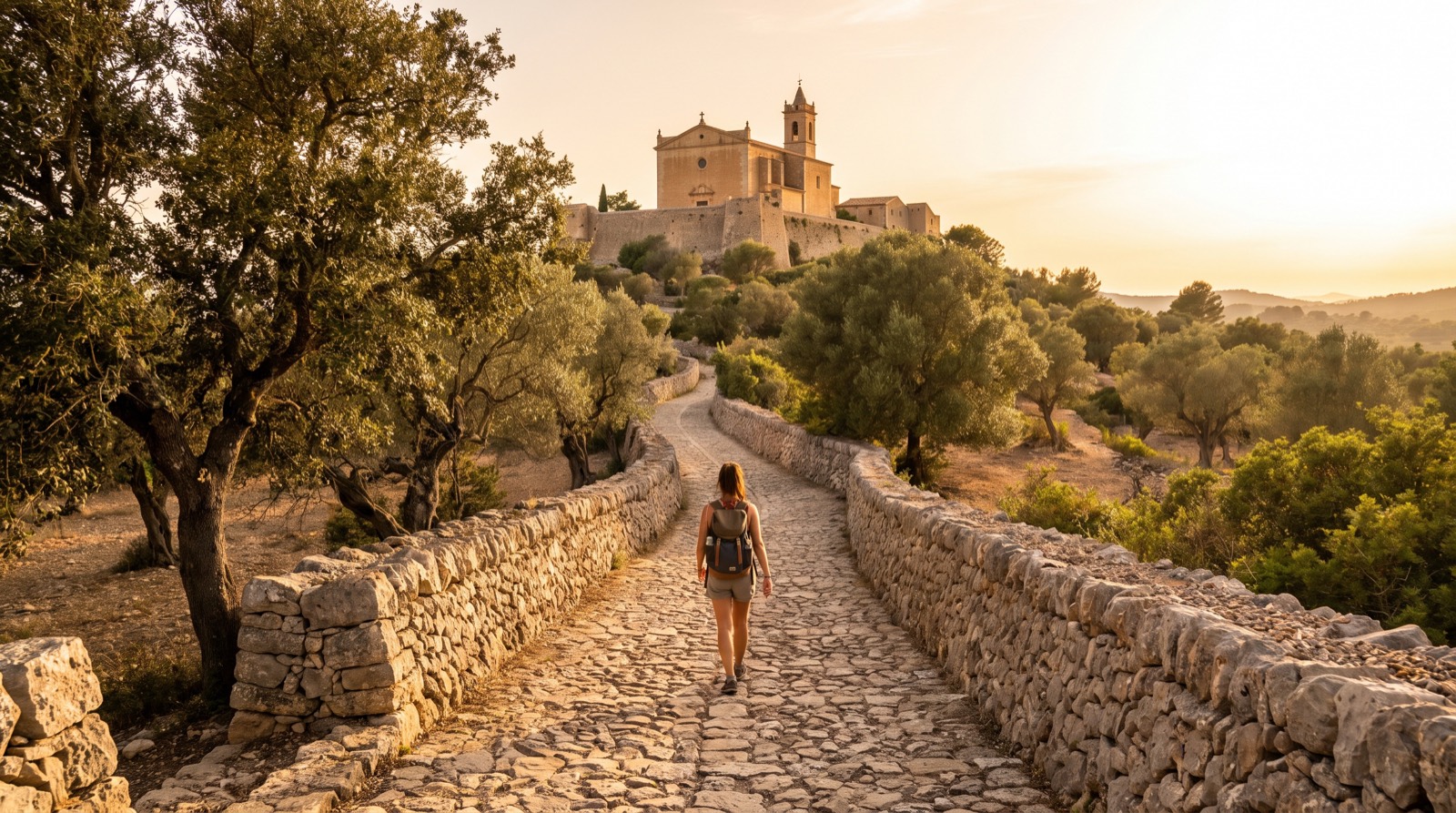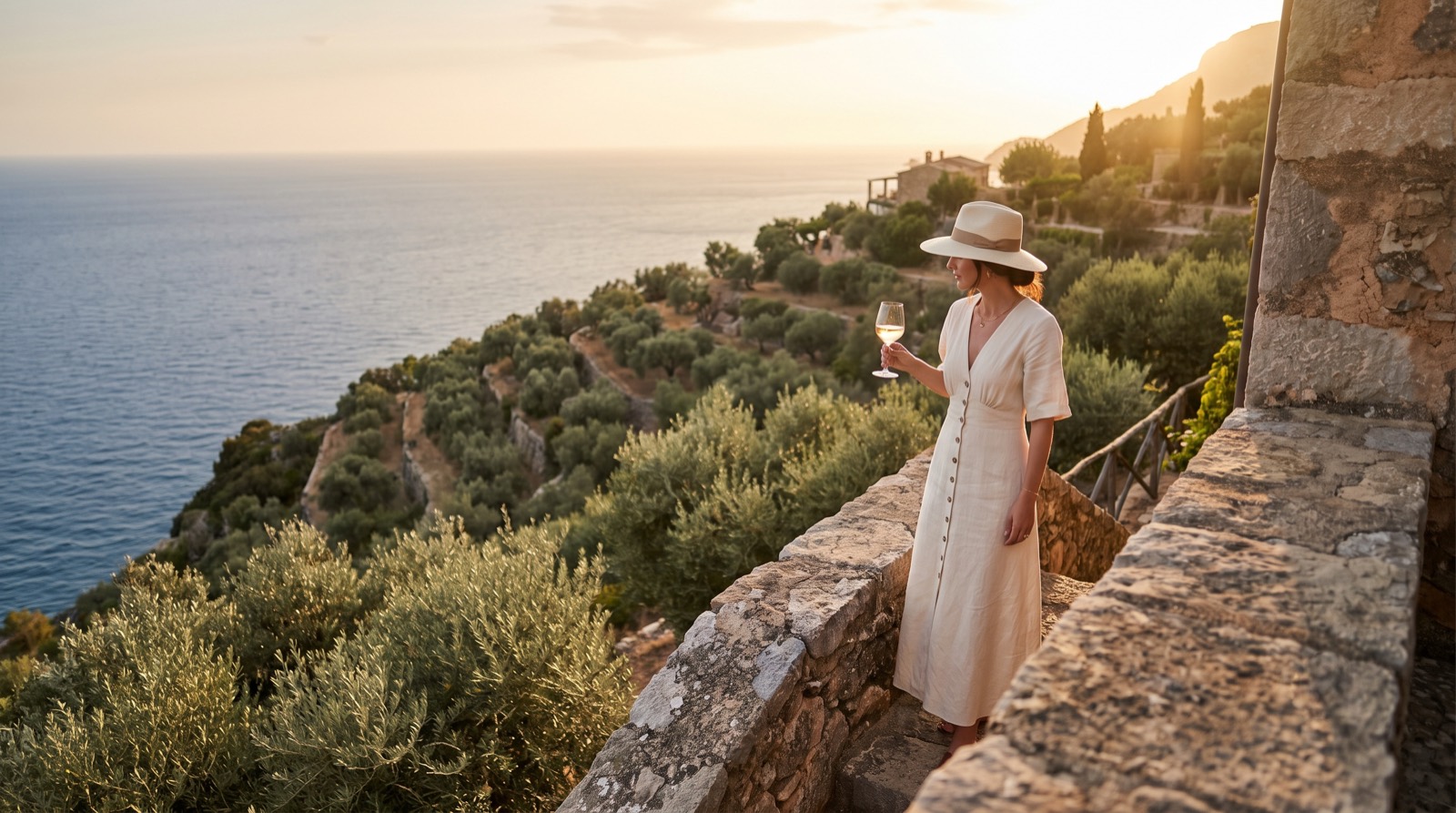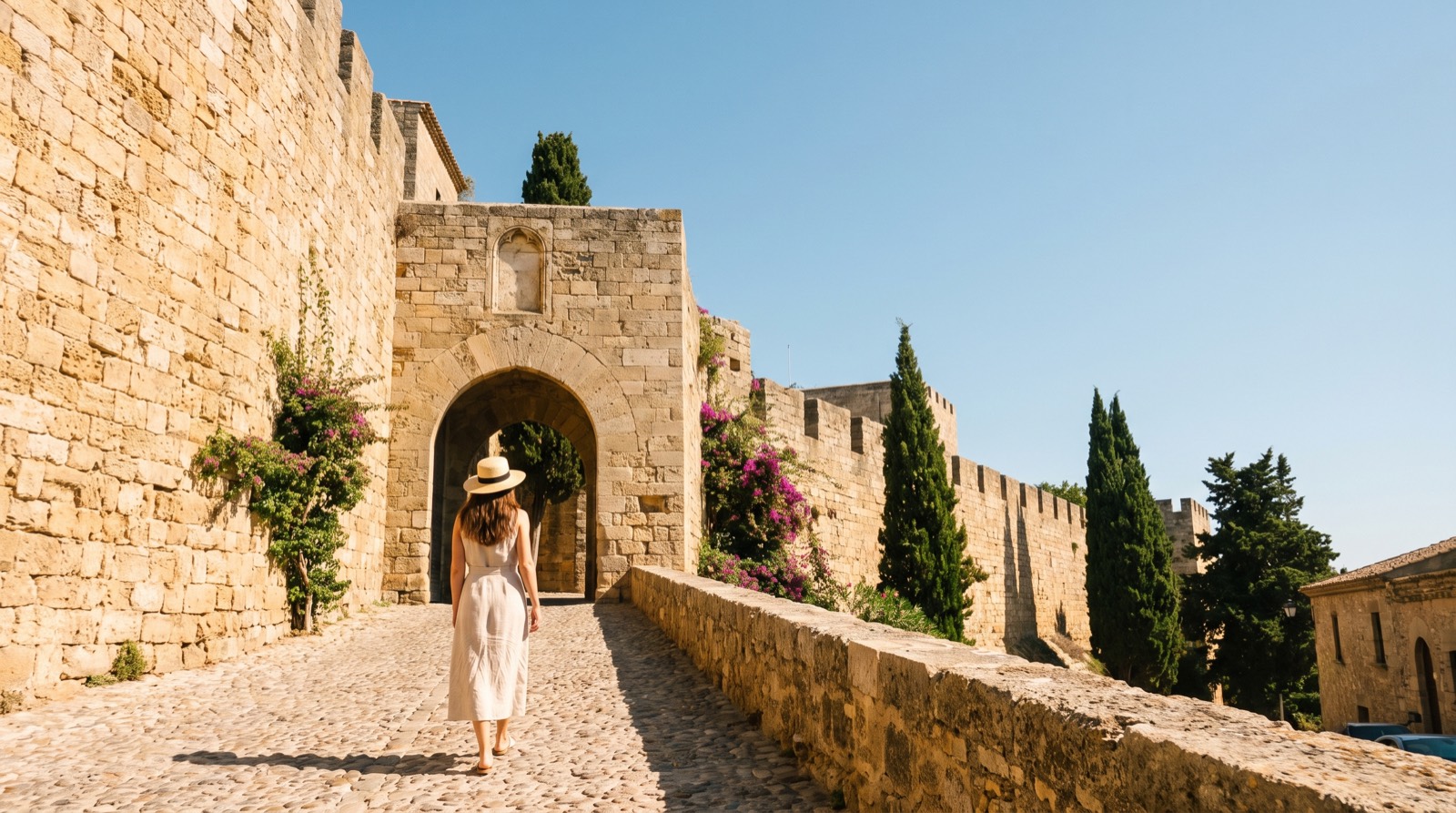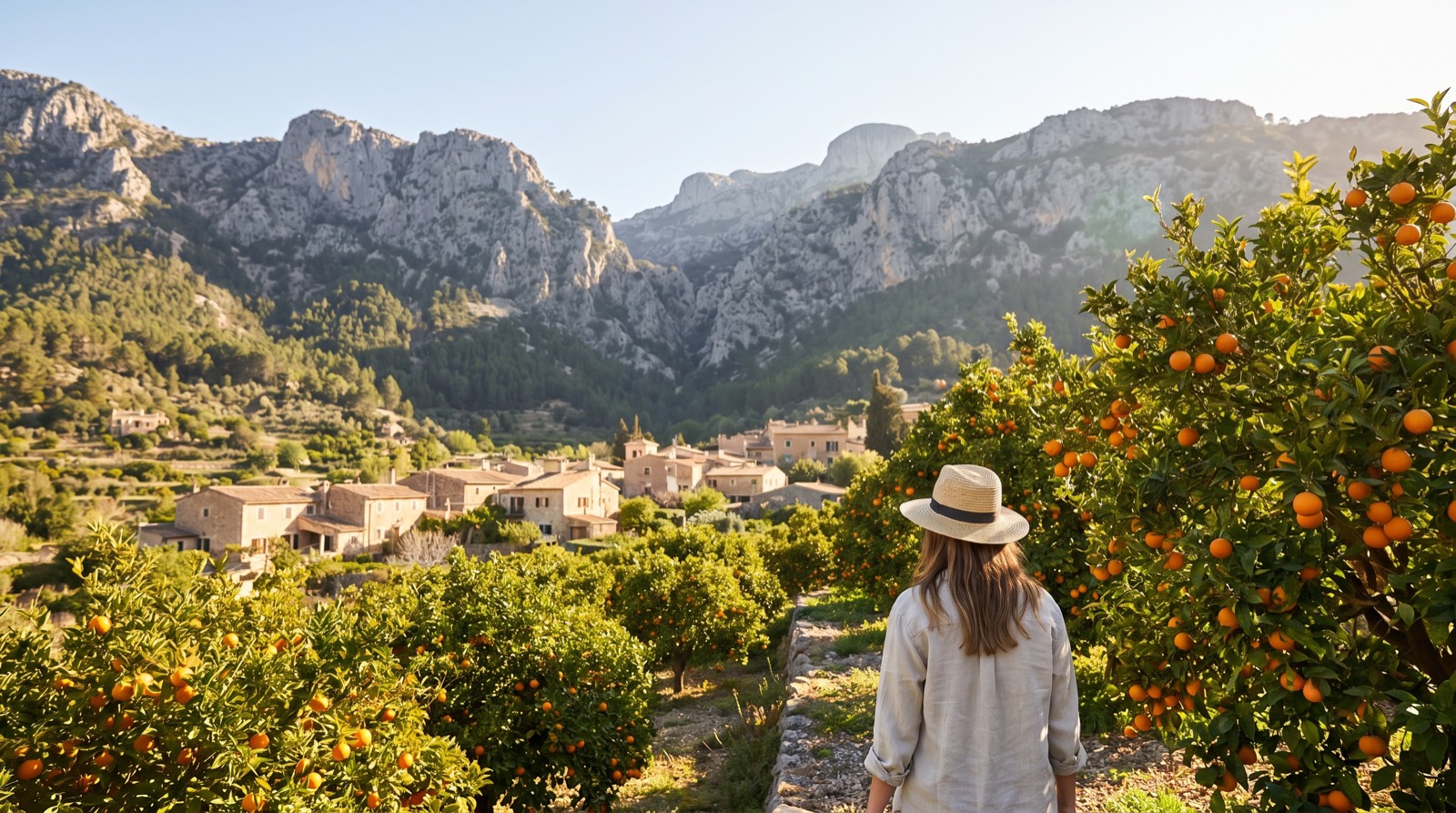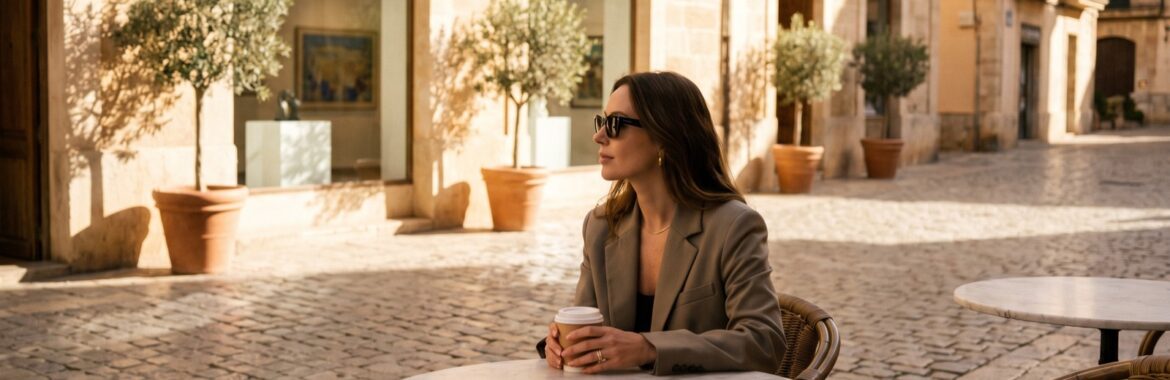
Santanyí is one of those villages you fall for at first sight, but only really get to enjoy once you stay. This is our part of the island — the southeast — and we know it from walking its streets all twelve months of the year. Golden stone and warm light, sea and unspoilt coves, art and village life all at once. We’ll tell you what it’s like to live here without the postcard gloss: what makes it special, and also the things worth knowing before you move.
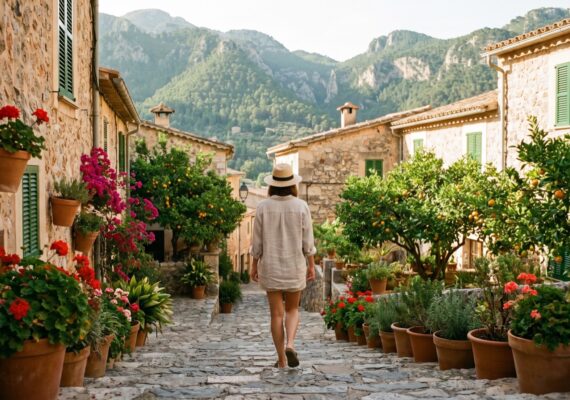
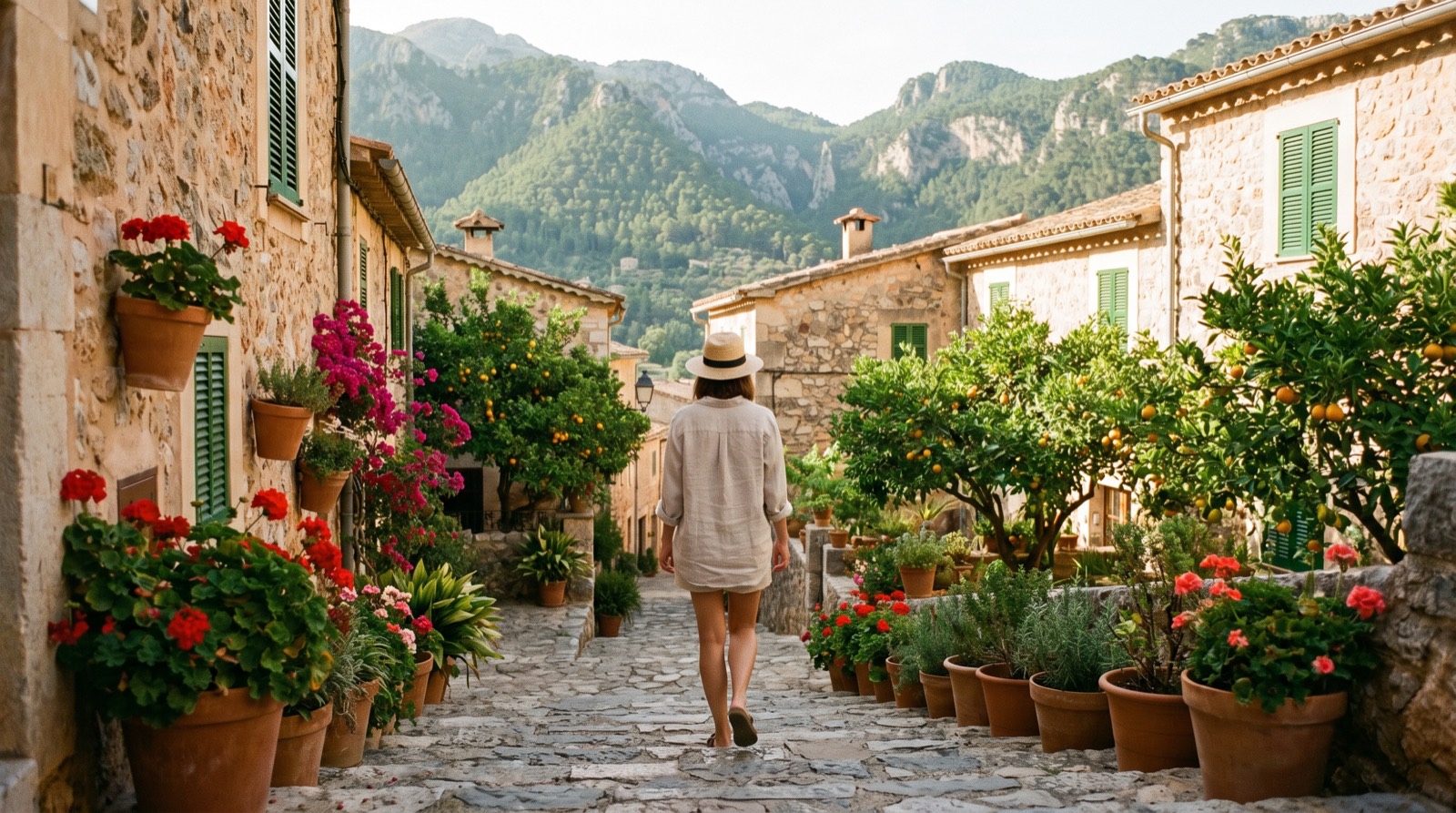
Set at the far southeastern tip of Mallorca, the municipality of Santanyí is much more than the village itself: it takes in some of the most beautiful stretches of coast on the island, from Cala Figuera to Cala Llombards. The village proper is built of marès — that honey-toned stone, the same one used to raise Palma’s cathedral — which gives its streets an unmistakable warm light, the very light that won over so many painters.
Real life
What it's really like to live in Santanyí all year round
Santanyí doesn’t switch off in winter. It’s one of the liveliest villages in the southeast in its own right: it has services to spare — shops, banks, a doctor, schools, supermarkets — and a well-kept, tasteful feel without ever becoming overrun. Its Wednesday and Saturday market is one of the busiest in the area, filling the square and the streets of the centre with stalls of local produce, flowers and crafts. If there’s one weekly plan that never fails in Santanyí, it’s the Saturday morning one: market, a cafè amb llet and a wander round the galleries.
Day to day, Santanyí covers the essentials without leaning on Palma: a health centre, primary and secondary schools, pharmacies, banks and supermarkets, plus gyms, a sports centre and the usual offering of a large village in the area. For more specific errands or shopping, Campos and Palma itself are a comfortable drive away.
It’s a village where lifelong Mallorcan and Spanish live side by side with a notable international community — mostly German, settled here for years — which has brought galleries, cafés and a certain cosmopolitan air without the village losing its character. That balance — an authentic village with cultural life and good services — is exactly what makes it so appealing to live in all year round, and what sets it apart from the smaller villages around it.
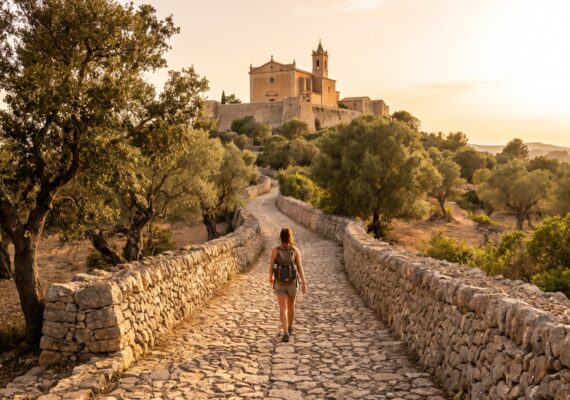
The seasons in Santanyí are an argument in themselves: springs of almond blossom and green countryside, lively summers with the sea fifteen minutes away, golden autumns of perfect light and the almond harvest, and quiet winters when the village is lived at a slower, more genuine pace. It is, in short, one of the villages in Mallorca that holds up best to comparison in every month of the year.
The real treasure
The coves and the sea of the Santanyí municipality
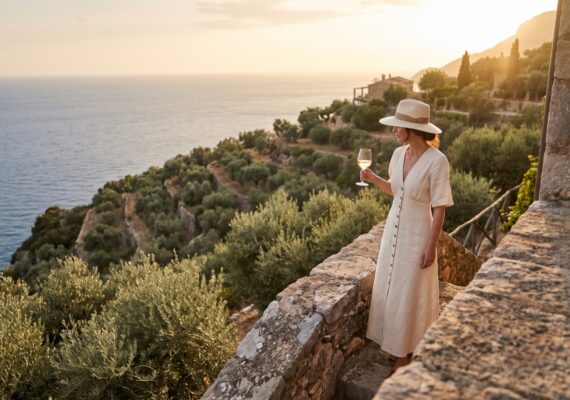
If anything defines Santanyí, it’s being the gateway to the most beautiful coves in the southeast. A few minutes from the village you have Cala Figuera, a lovely fishing village of boathouses and small craft that seems frozen in time; Cala Santanyí and the spectacular natural arch of Es Pontàs; Cala Llombards, with its fine sand framed by pines; and the famous Caló des Moro, one of the most photographed coves in all of Mallorca.
Close by, too, is the Mondragó nature park, with its protected coves and walking trails, and the small, wild Cala s’Almonia. Cala Figuera is still a working fishing port, with its boats and its escars, not a stage set: that’s the kind of authenticity you can still breathe here. Living in Santanyí means having all of this fifteen minutes from home — the chance to head down for a swim after work, out of season, with the cove almost to yourself.
Culture and art
Art, stone and galleries
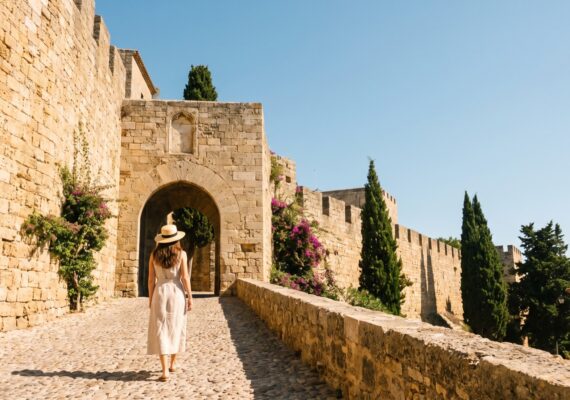
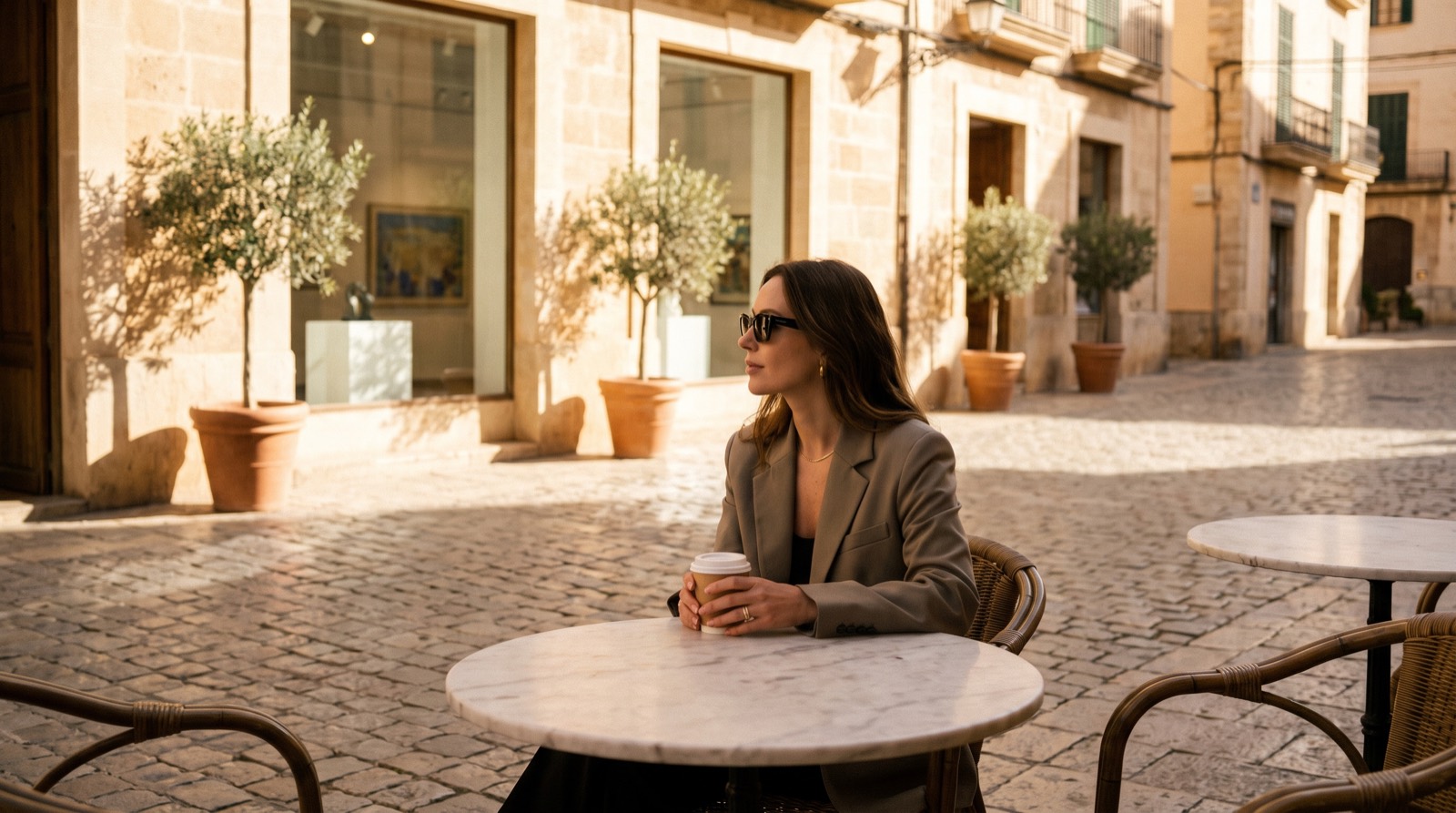
Santanyí has a reputation as an artistic village, and it shows. Its art galleries, scattered through the old quarter, sit alongside workshops and design shops. The marès stone doesn’t only give colour to the façades: it sets the character of the place, that warm, serene aesthetic that has drawn creatives for decades. The church of Sant Andreu, on the square, is one of the most imposing in the southeast and a visual landmark of the village. It’s a place to stroll slowly, browse the gallery windows and have something in a shaded square.
The art scene in Santanyí is discreet but real: local artists, contemporary galleries and a community of creators who have found here a setting that inspires. For anyone coming from the art world, or who simply values it, living here means having that sensibility close at hand, woven into the fabric of the village itself.
Logistics
Getting around: connections, distances and services
Santanyí is well connected within its calm. Palma airport is around 45-50 minutes away by car, and the capital itself a little more. You have the whole southeast right next door — Ses Salines, Campos, Colònia de Sant Jordi, Cala d’Or, Portopetro — and the neighbouring villages of s’Alqueria Blanca and Es Llombards. It’s a perfect base for anyone who wants to live calmly without feeling cut off.
Public transport in the southeast is limited. A car is practically essential for daily life: work, outings and anything beyond the village itself. That said, Santanyí is one of the few villages in the southeast where you can do a fair amount on foot within the centre: the shopping, a coffee, the market, the schools.
Where to live
What property is like in Santanyí
The municipality offers everything: marès stone village houses in the old centre, country houses and country homes in the surrounding rural setting, and property more oriented to the sea in the coastal hubs such as Cala Figuera, Cala Santanyí or Cala Llombards. It’s one of the most sought-after areas in the southeast, precisely for that mix of beauty, authenticity and good services.
On price, Santanyí is one of the most prized areas in the southeast, with very strong international demand. The characterful houses in the old centre and the first-line coastal properties carry prices in keeping with their appeal. The outlying parts of the municipality and some of the smaller hubs offer somewhat more accessible options. We live and work here, so we know every street and every cove, and what each house is really like once summer leaves.
Common questions
Frequently asked questions about living in Santanyí
Does Santanyí have enough services to live there all year round?
Yes, it’s one of the most complete villages in the southeast. It has a health centre, primary schools and a secondary school, supermarkets, banks, a pharmacy, a sports centre, shops and restaurants. It’s one of the few villages in the southeast where you can lead a fairly full life without depending on Palma for the everyday.
How far is Palma airport from Santanyí?
Around 45-50 minutes by car in normal conditions. In summer it can take a little longer. The capital is a bit further. It’s a reasonable distance for coming and going without losing the day: many residents go to Palma once or twice a week without it being a problem.
When is the Santanyí market held?
On Wednesday and Saturday mornings, in the square and the streets of the old centre. The Saturday one is bigger and livelier, with more stalls of local produce, flowers, crafts and clothing. It’s one of the most worthwhile markets in the whole southeast, and an essential plan for anyone living here.
Is Santanyí expensive to live in?
Santanyí is a prized area, especially the old centre and the properties near the sea. Property prices are higher than in Campos or Ses Salines, but the level of services, beauty and demand justifies it. There are options for different budgets, above all in the outlying areas and the smaller hubs of the municipality.
Is it a good place for families with children?
One of the best in the southeast. It has a primary school and a secondary school, a sports centre, after-school activities and all the municipality’s coves fifteen minutes away for the weekends. The safe village atmosphere, without heavy traffic, makes family life easy. The local and international community living here includes many families with children.
How long does it take from Santanyí to the best coves?
Very little. Cala Figuera, Cala Llombards and Cala Santanyí are 5-8 minutes by car. Caló des Moro is 12-15 minutes. Mondragó, 15 minutes. Es Trenc, 20-25 minutes via Ses Salines. Living in Santanyí means having the finest string of coves in the southeast a fifteen-minute drive away, which out of season makes it almost an exclusive luxury.
Is it for you?
Is Santanyí the village you're looking for?
Santanyí is a particularly good fit if you’re looking for a village with life all year round, a cultural atmosphere, good services and the finest coves in the southeast a step away. It’s ideal for families, for anyone after a setting with charm and good taste, and for those who want sea and nature without giving up the comfort of a complete village. It’s less suited if you’re after the absolute quiet of a tiny hamlet or the lowest prices of the interior; for that, neighbouring villages like Campos or Es Llombards may fit better.
If you can picture yourself living in Santanyí or in one of its coves, get in touch: we live in the area all twelve months of the year and would be delighted to help you find your place. And if you’re still deciding, take your time — we’ll tell you honestly what it’s really like in February, not just in August.