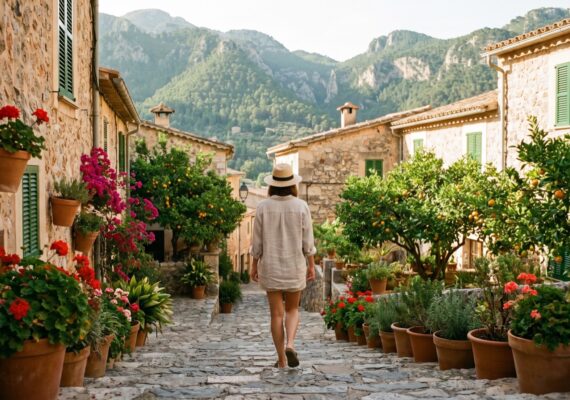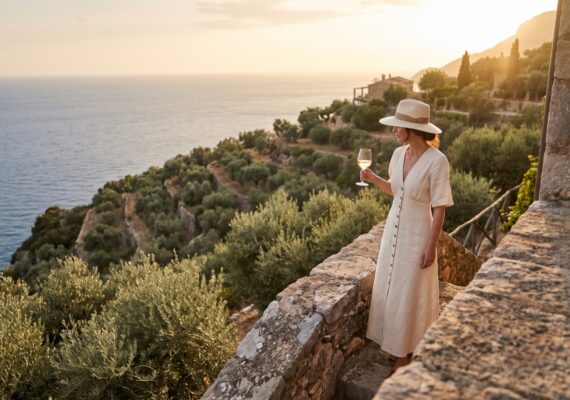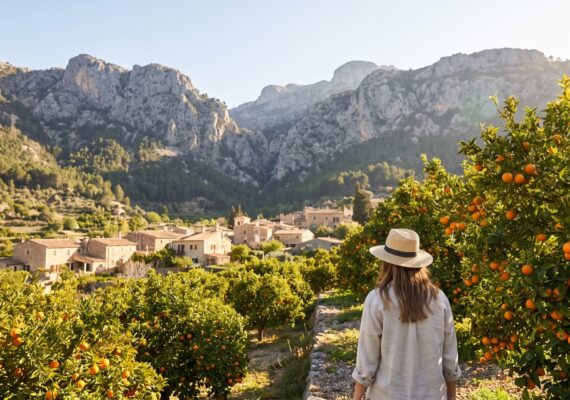
Artà is one of the most authentic villages in the Llevant of Mallorca, and one that surprises almost everyone who discovers it beyond the beaches of the north. It has a walled sanctuary with sweeping views, a prehistoric settlement among the holm oaks, some of the most unspoilt coves on the island a short drive away, and a cultural identity entirely its own that owes nothing to tourism. If you’re after a real village in the Llevant, with the sea close and prices that still make sense, Artà deserves far more attention than it usually gets.
Set in the Llevant region in the northeast of the island, Artà looks down from its hilltop over the plain, with the Serra de Llevant at its feet — far less known than the Tramuntana, but with its own trails, viewpoints and a quiet, genuine beauty. Fifteen or twenty minutes away lie some of the wildest beaches in Mallorca.
Real life
What it's really like to live in Artà all year round
Artà is a complete village that works twelve months of the year. It has supermarkets, a health centre, primary and secondary schools, banks, pharmacies and a commercial life of its own that doesn’t depend on beach tourism. Its Tuesday market is the social meeting point of the week, with stalls of local produce, crafts and lifelong shops. It’s a genuine village market, the kind that has been held this way for generations.
The atmosphere is that of a Mallorcan village with real character. Artà has a strong cultural identity — a tradition of craftsmanship, an active community life, a town festival with plenty of participation — and, at the same time, a community of foreign residents who have chosen the Llevant as an alternative to the better-known areas. The combination of a real village and first-rate natural surroundings makes it especially appealing for anyone who wants to live on the island without paying the price of the more sought-after southeast, or getting lost in the crowds of the touristy north.
The seasons in Artà each have their own character: the almond blossom in January lights up the whole region, the green, open spring is perfect for walking in the Serra de Llevant, summer brings the sea and the coves without excessive crowds, and the calm autumn turns afternoons in the old town into an unhurried pleasure. It’s a village for anyone who enjoys the real rhythm of the island.
The sanctuary and the old town
Sant Salvador and the heart of the village
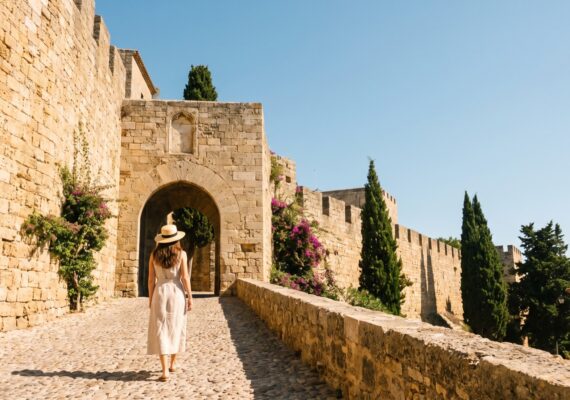
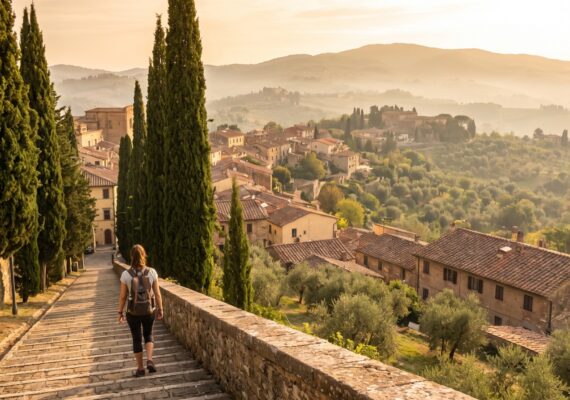
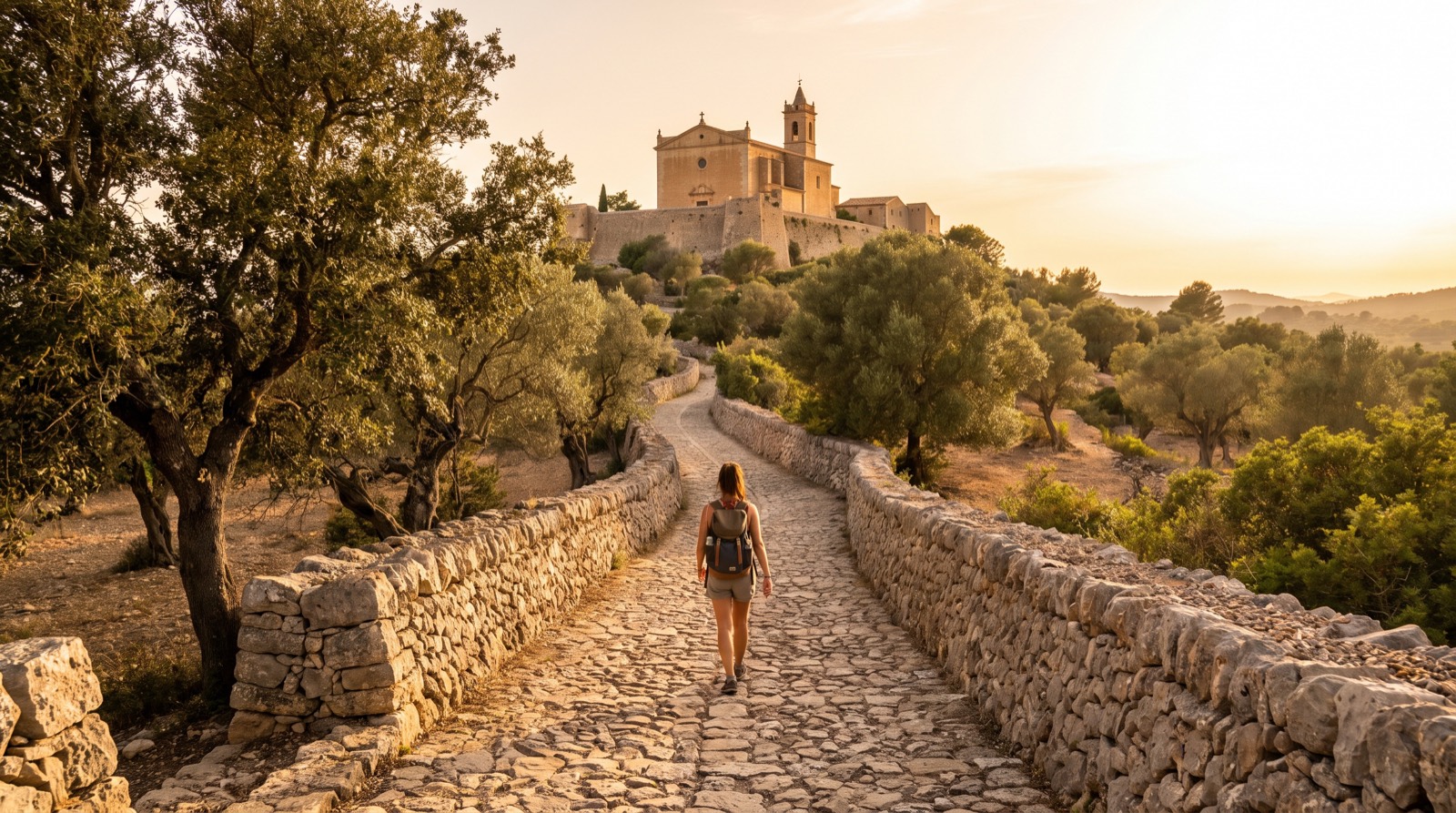
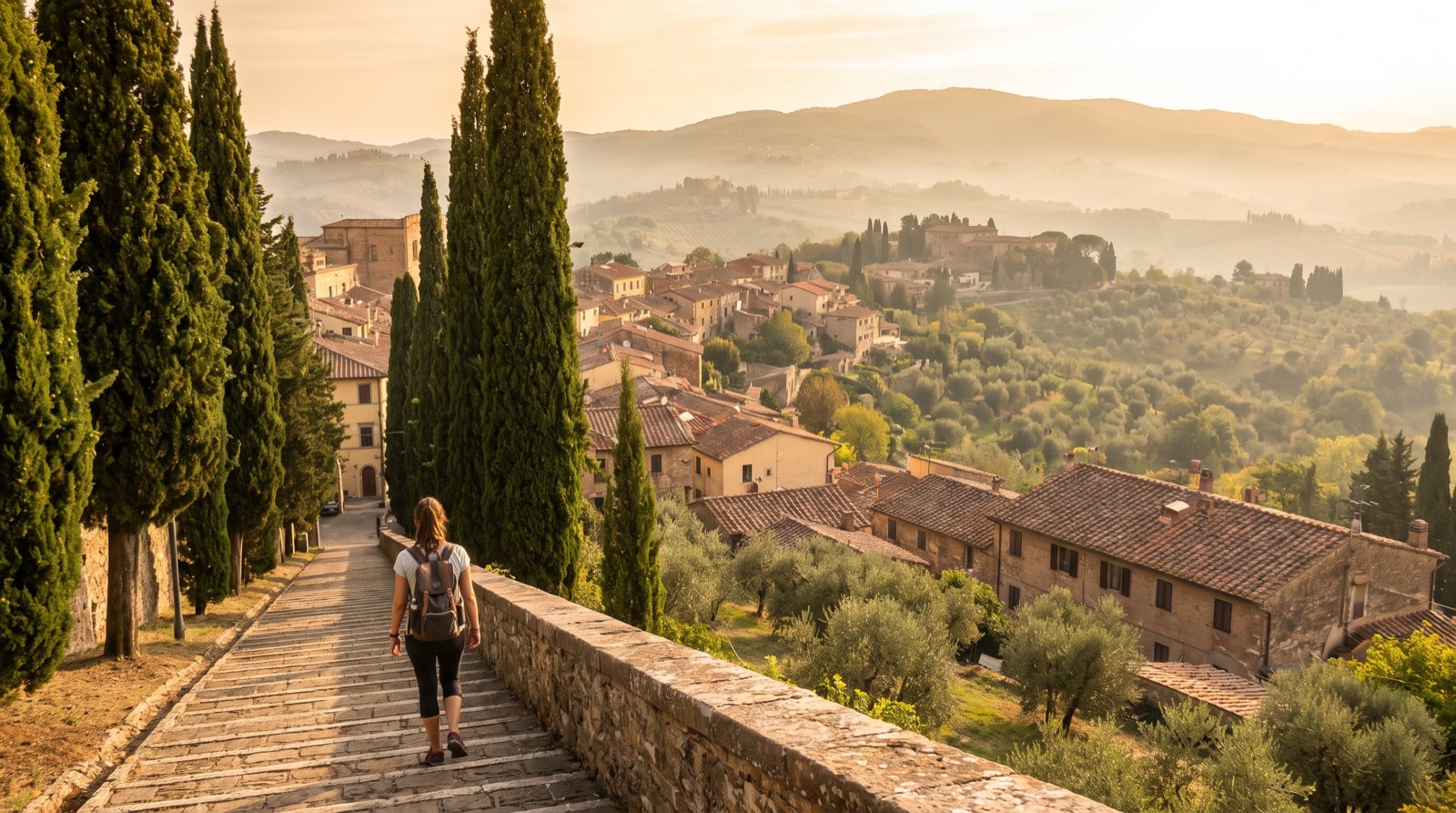
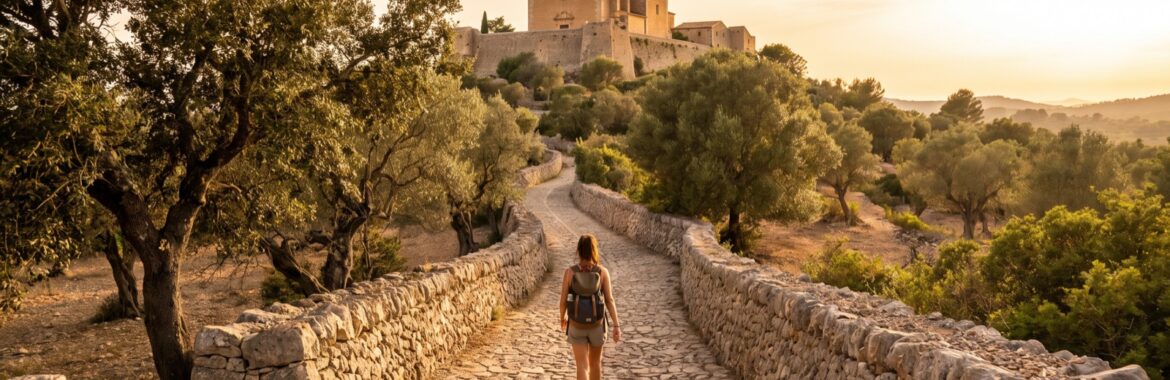
The most iconic image of Artà is the walled Santuari de Sant Salvador, crowning the hill above the village. You reach it by a long stairway from the centre of the old town, flanked by cypresses and stone crosses, and from the top the views take in the whole Llevant region, as far as the Bay of Alcúdia and the Serra. Inside the walled enclosure, the sanctuary church and its chapels have a sober, powerful presence that reflects the character of the village well: no ostentation, plenty of substance.
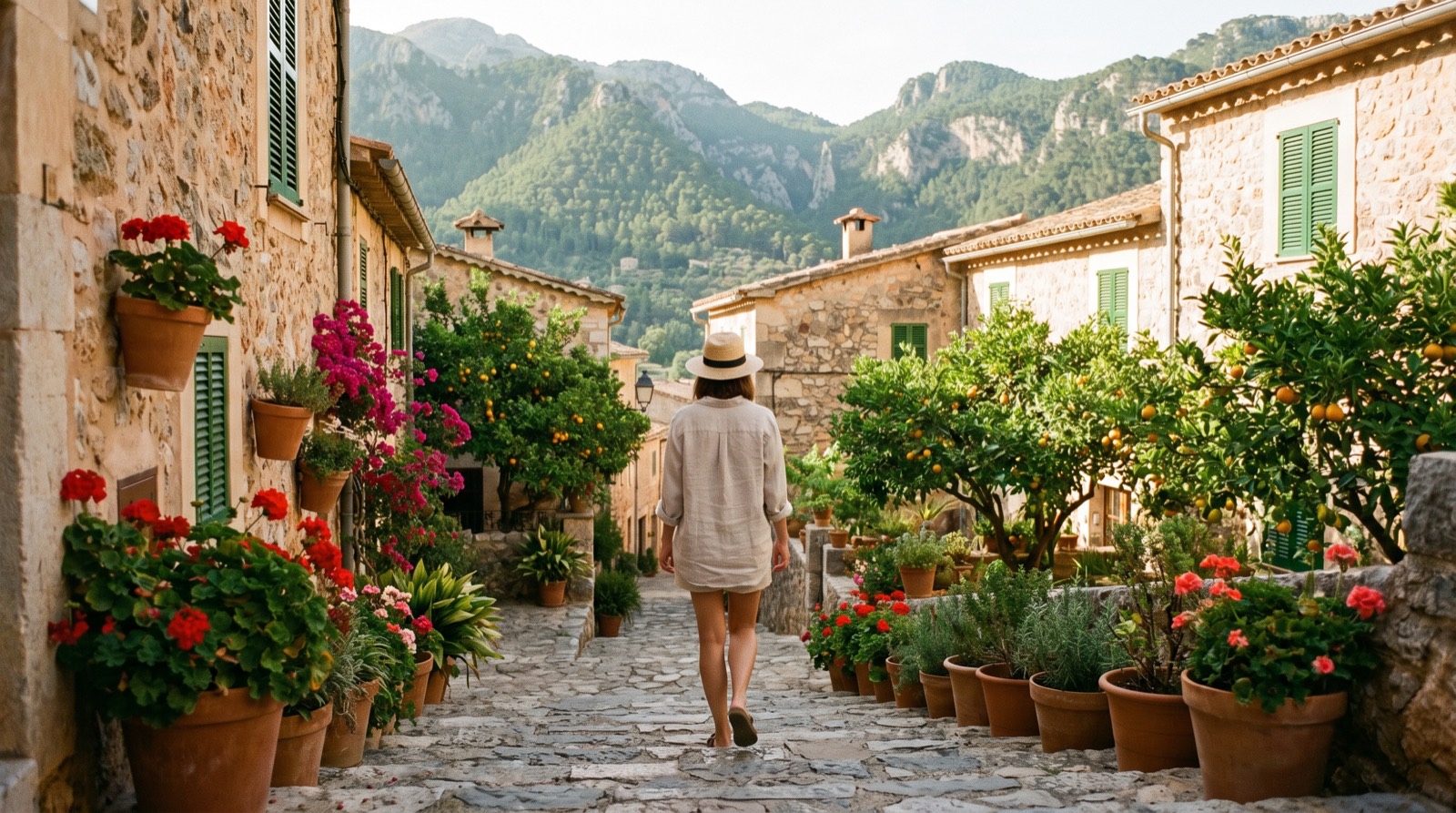
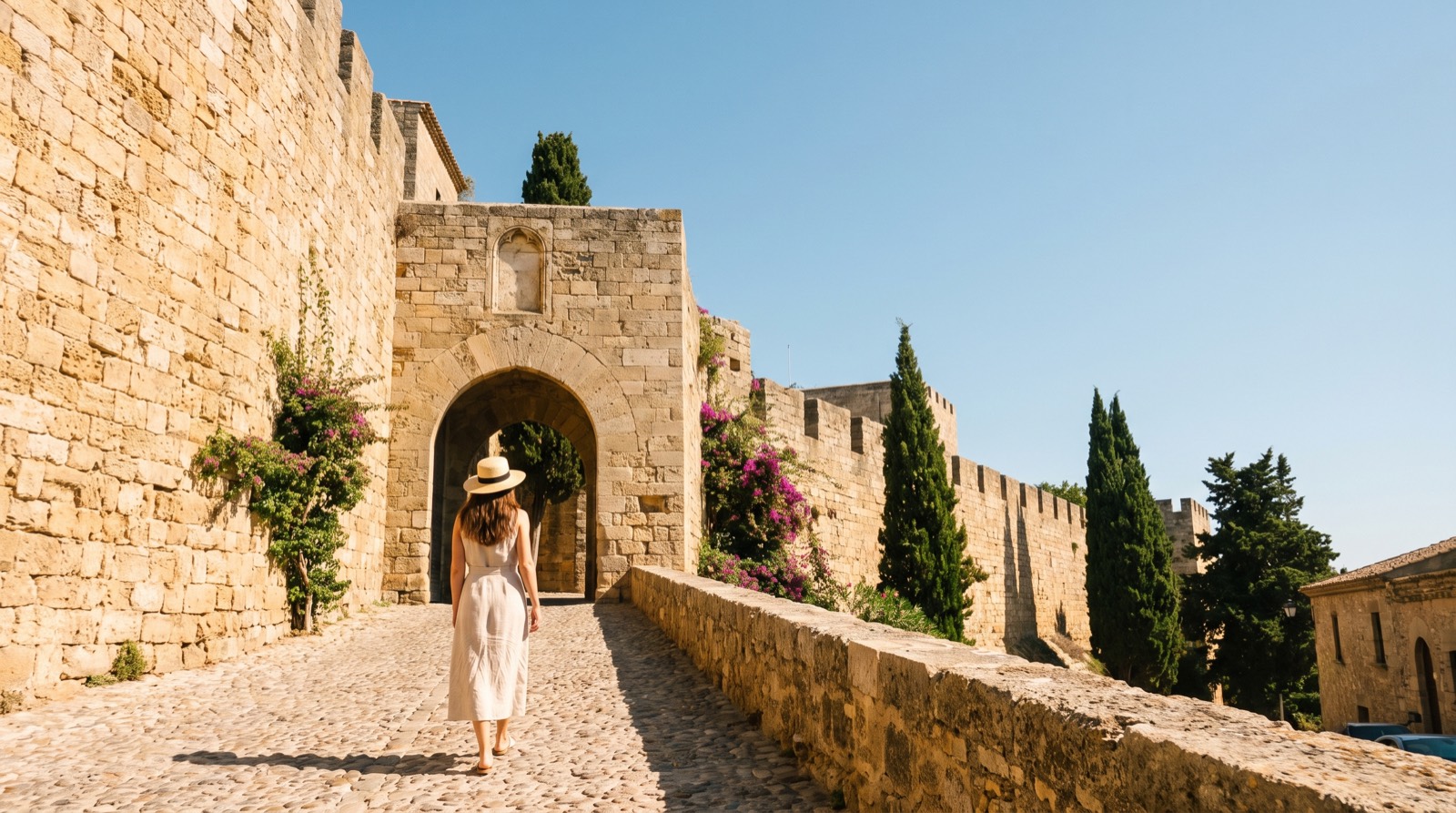
Artà’s old town, with its cobbled streets and stone houses, climbs and dips across the hill in a lively topography that is wonderfully photogenic. The central square, the church of the Transfiguration and the surrounding streets form the heart of the village’s social life. It’s a well-preserved and very much living old town, not a stage set: people actually live here.
Prehistory
Ses Païsses: the Talayotic settlement among the oaks
A couple of kilometres from the centre, among centuries-old holm oaks and in a setting of extraordinary serenity, stands the Talayotic settlement of Ses Païsses, one of the finest examples of prehistoric architecture in the Balearics. A central talayot, stone houses more than 2,500 years old, and a wall of cyclopean blocks ringing the enclosure. The combination of oak woodland, stone walls and silence makes it one of those places that stay with you. For those who live in Artà, Ses Païsses is the quiet Sunday walk, and the village children know it from school visits from a young age.
Unspoilt coast
Cala Torta, Cala Mesquida and the beaches of the Llevant
Artà’s great coastal treasure is its unspoilt beaches. About fifteen or twenty minutes away by car, in the Llevant Peninsula and its surroundings, lie some of the wildest stretches of sand on the island: Cala Torta, undeveloped, with dunes and pines; Cala Mitjana, smaller and more sheltered; Cala Mesquida, with its broad expanse of sand and its out-of-season feel. These aren’t beaches with the glamour of the southeast, but they offer something few places on the island can: sand, space, untouched nature and very few people, especially outside July and August.
The Llevant Peninsula Nature Park protects the entire coastal strip, with trails that let you walk the coast on foot among pines, dunes and cliffs. For anyone who loves wild nature and beaches without the crowds, the Llevant of Artà is a serious alternative to the southeast.
Local identity
Pauma craftwork and the culture of the Llevant
Artà is the capital of the Llevant region and also the home of one of Mallorca’s most distinctive craft traditions: obra de pauma, weaving made from the leaves of the wild dwarf palm, producing baskets, hats and decorative objects of real quality. This craft is part of the region’s identity and can be found in workshops and shops in the village itself. It’s one of those things the people who live here take pride in, and that many visitors don’t even know exists.
Artà’s cultural life has its own rhythm: the municipal theatre, the activities of the village associations, open-air summer festivals and a quiet but real live-music scene. It’s a village that doesn’t show off, but that has far more going on beneath the surface than it lets on.
Logistics
Connections and distances
Artà sits in the northeast of the island, which places it a little further from the airport than the villages of the southeast. Palma airport is around 55-60 minutes away by car, and the capital a similar drive. For anyone who travels very frequently, that distance is the main thing to factor in. Alcúdia and the north are 20-25 minutes away; Manacor (with more services) around 20; Palma around 55-60.
A car is essential in Artà. There are buses to Palma and to neighbouring villages, but for day-to-day life — especially for the beaches and the trails — your own vehicle is the practical choice. The roads are good and without the gradients of the Tramuntana.
Where to live
What property is like in Artà
Artà is one of the most interesting options in the Llevant when it comes to property: charming village houses in the old town, country houses and rural properties across the region at more reasonable prices than in the southeast or the more sought-after north, and a handful of coastal properties around its beaches. It’s an area that has risen in interest but where there’s still a good balance of quality, setting and price, especially for anyone after a country house with land or a village house to restore.
We know the Llevant well and can advise you on which part of the municipality or the wider region best fits what you’re looking for.
Common questions
Frequently asked questions about living in Artà
Does Artà have everything you need to live all year round?
Yes. It has a health centre, primary and secondary schools, supermarkets, banks, pharmacies and varied shops. For more specialised services, Manacor (20 min) or Palma (55-60 min) complement it well. It’s a self-sufficient village for everyday life, though a little further from the airport than others in the area.
How far is the airport from Artà?
It’s the village furthest from the airport in this guide: around 55-60 minutes by car. It isn’t an insurmountable problem, but it’s worth factoring in carefully if you travel often. Those living in the southeast or the north have the edge here. Artà makes up for it with its setting and its prices.
What beaches are near Artà?
Some of the most unspoilt on the island: Cala Torta (15 min), Cala Mesquida (15 min), Cala Agulla (20 min) and the whole coast of the Llevant Peninsula Nature Park. These are beaches of dunes, pines and sand without large developments, perfect out of season. Cala Ratjada, the nearest tourist hub, is about 10-12 minutes away.
Is Artà cheaper than the southeast?
Generally, yes, especially for village houses and rural country houses. The Llevant coast is rising in demand but remains more affordable than the coves of the Santanyí southeast. For anyone wanting a country house with land or a charming house to restore, the area around Artà offers very good value for money.
Is there a foreign community in Artà?
Yes, though a discreet one. There’s an established community of European residents — German, British, Scandinavian — who have chosen the Llevant as an alternative to the better-known areas. It isn’t as concentrated as in Pollença or Sóller, but it’s there and part of the village’s social fabric. Integration is relatively easy for anyone who comes with the intention of staying.
Is Artà a good place for families with children?
Yes. It has a primary and a secondary school in the village itself, unspoilt beaches 15-20 minutes away, the Ses Païsses settlement for cultural outings and plenty of natural space. The cost of living is more reasonable than in other areas, which makes family life easier. The calm, safe village atmosphere is highly valued by the families who choose the Llevant.
Is it for you?
Is Artà the village you're looking for?
Artà is a very good fit if you’re looking for an authentic, complete village, well placed for the most unspoilt beaches of the Llevant, with a strong cultural identity, reasonable prices and the quality of life of the real Mallorca. It’s less suited if having the airport close is a priority, or if you’re after the sophistication of the southeast or the more cosmopolitan north.
If you can picture yourself living in Artà, or exploring the Llevant, get in touch: we know the island well and would be delighted to help you find your place.