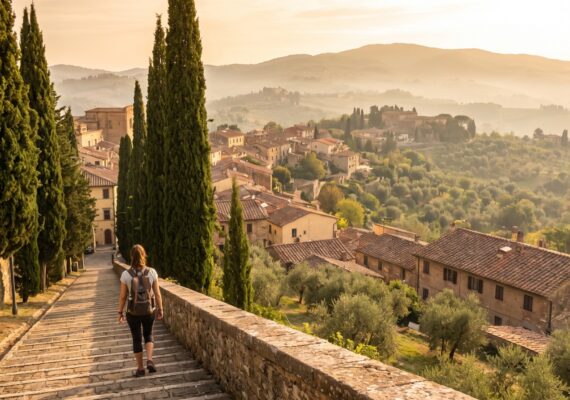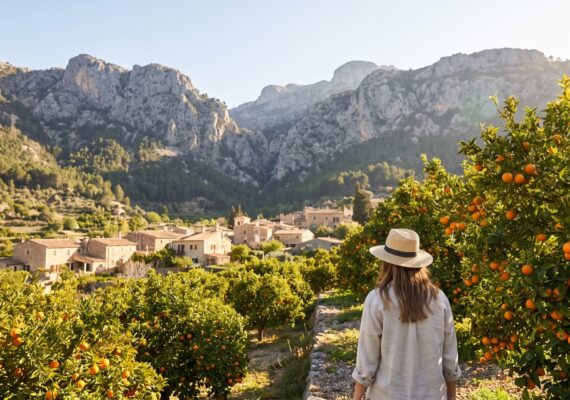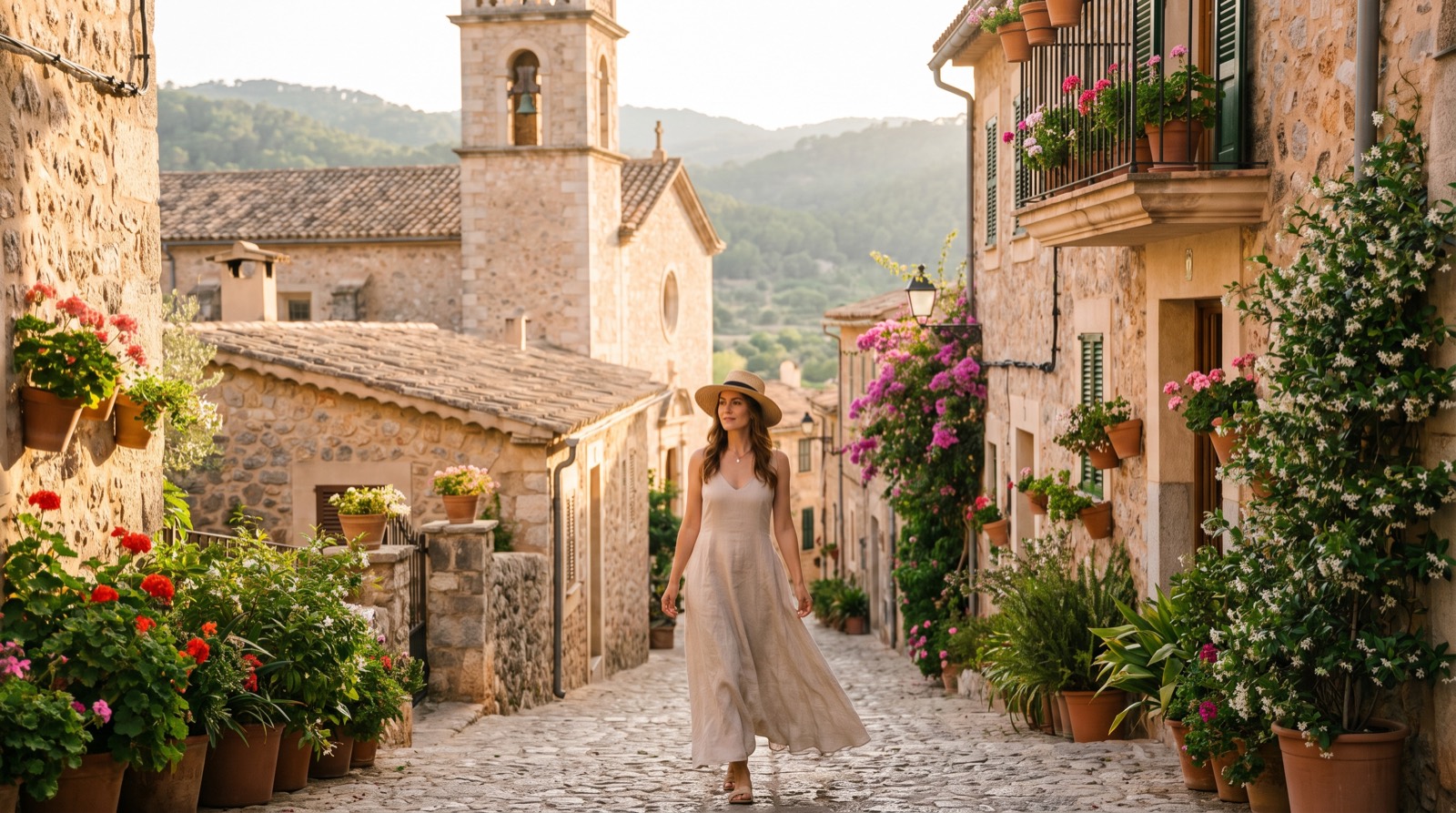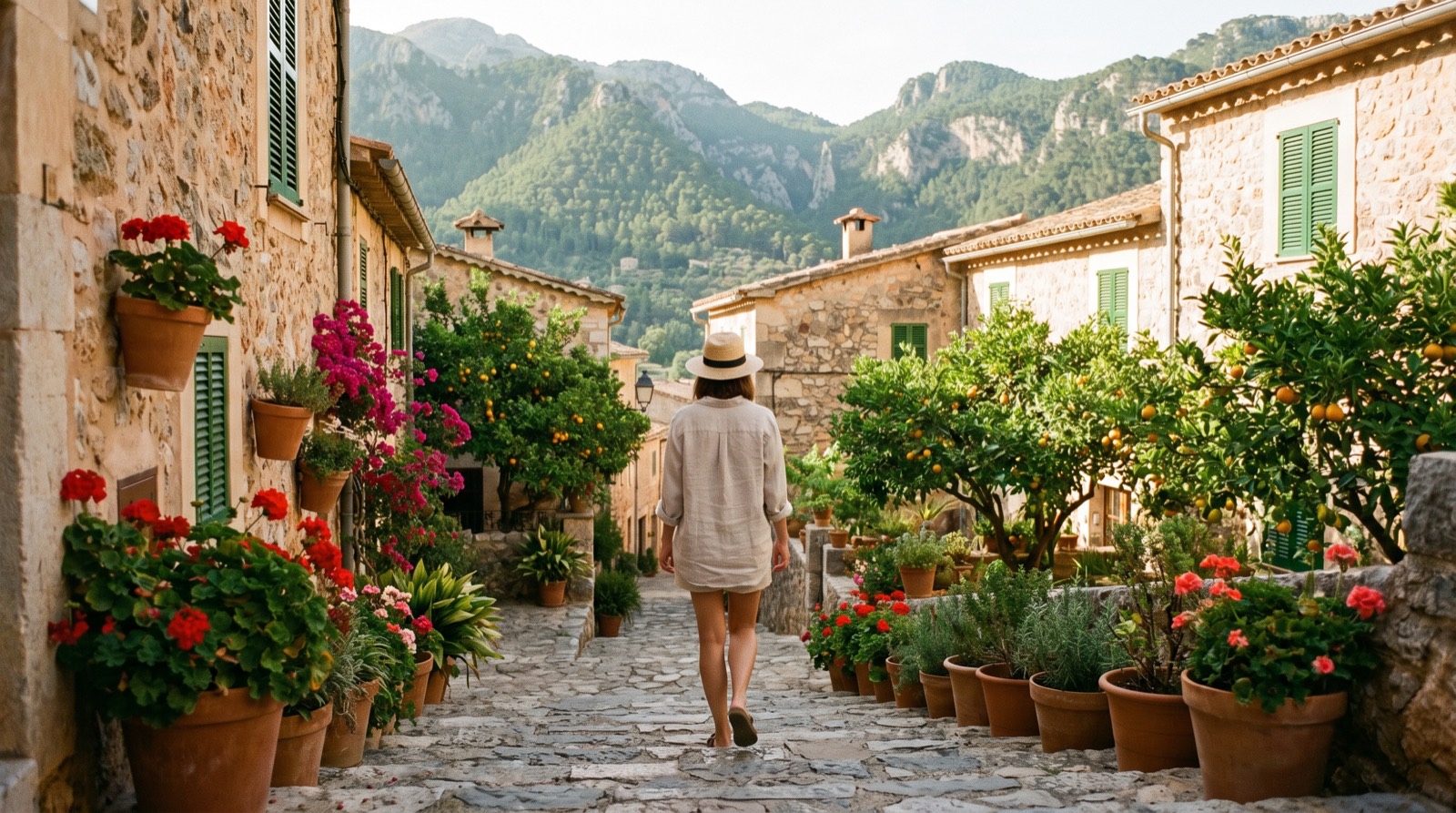
Mallorca isn’t one place: it’s many villages, each with a very different soul. If you’re looking for somewhere to live — not to holiday, but day to day — the question isn’t “which is the prettiest?” but “which one fits you?”. There are mountain villages among olive trees and morning mist, seaside villages that beat all year round, and inland villages where the weekly market still sets the rhythm.
There are two Mallorcas: the August-postcard one, and the one you live in February, when the tourists leave and the village goes back to belonging to its residents. This is our honest pick of the most beautiful villages to live in, from the Serra de Tramuntana to the southeast, told by people who live here twelve months of the year.
First things first
Before you choose: five things that make all the difference
Before you fall for a village, it pays to come back down to earth. These are the questions that really matter when you live here all year, not just for two weeks in summer:
- Coast or inland? The coast costs more and lives more by the season; the interior is more affordable, quieter and more authentic the whole year through.
- Main home or second home? A village that beats in February is a very different thing from one that all but closes from October to April. If you’re going to live here, look for life all year round.
- Distance to the airport and to Palma. It shapes your daily life, your access to hospitals, and how easy it is to host visitors or come and go.
- Services: school, doctor, supermarket, decent fibre. What looks secondary in August is decisive in January.
- The atmosphere and the community: in some villages you’ll mostly hear Mallorcan and Spanish; in others, plenty of German or English. Think about who you actually want to live among.
- Budget. The Serra de Tramuntana and the seafront are the most expensive parts of the island; the inland southeast is among the most reasonable.
The mountains
Serra de Tramuntana: Valldemossa, Sóller, Deià and Fornalutx
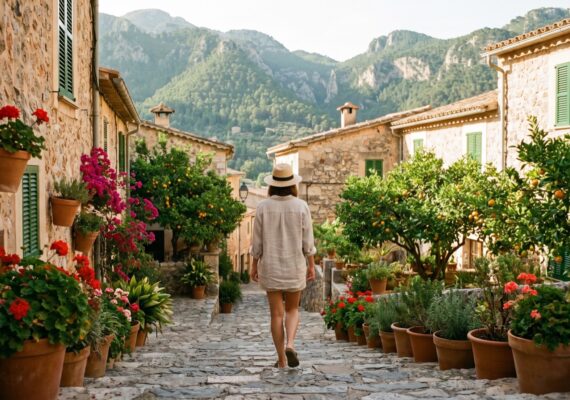
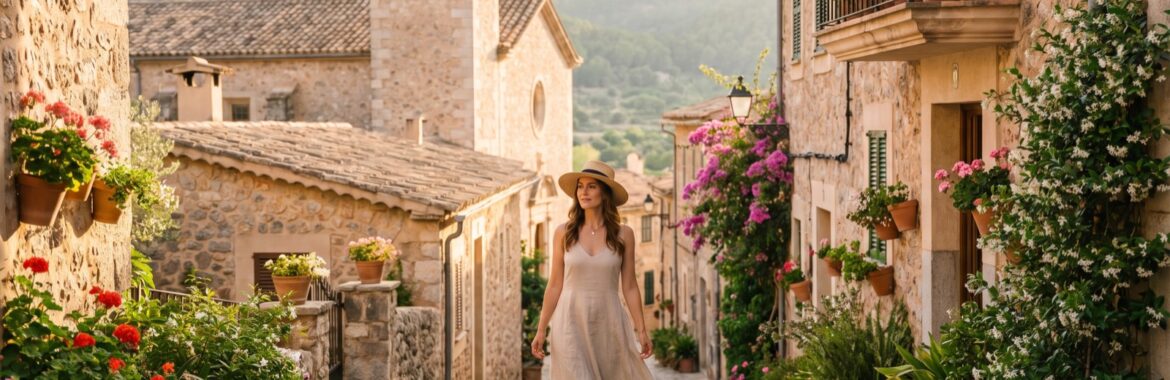
Valldemossa is the picture-postcard village of the Tramuntana: cobbled streets, stone houses with flowerpots, and the Royal Carthusian Monastery where Chopin and George Sand spent a winter. Palma is twenty minutes away, the setting is a World Heritage Site, and there’s a calm that high season breaks with tourism but that returns, for good, from October to May. It isn’t cheap, but few places give you so much beauty the moment you step out of the door. Here’s what living in Valldemossa is really like.
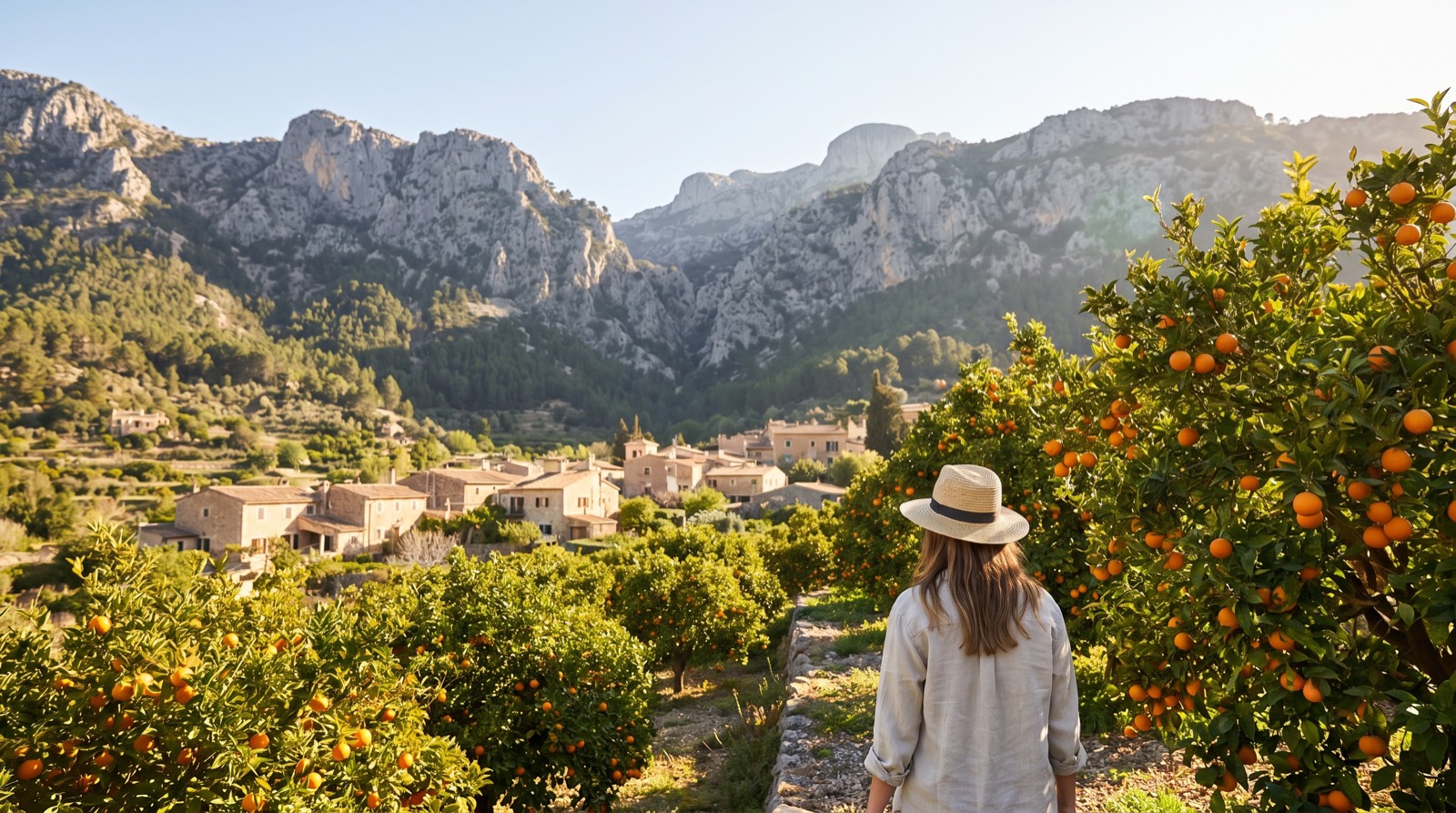
Sóller is a whole valley of orange groves ringed by mountains, linked to Palma by a wooden train from 1912 and to its port by a century-old tram from 1913. It has a life of its own all year, full services, a modernist square, and a community well used to people arriving from elsewhere. For anyone who wants mountain nature without giving up a real, working village, it’s one of the best options on the island. Here’s what living in Sóller is really like.
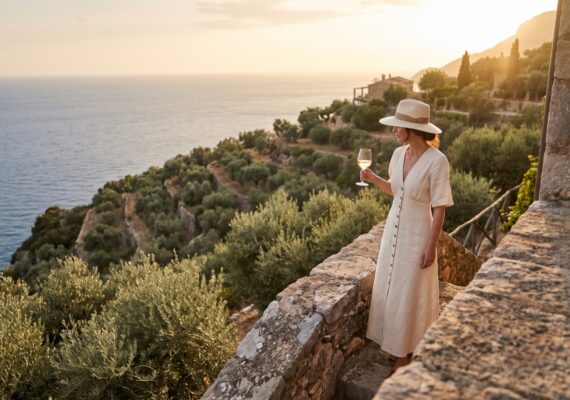
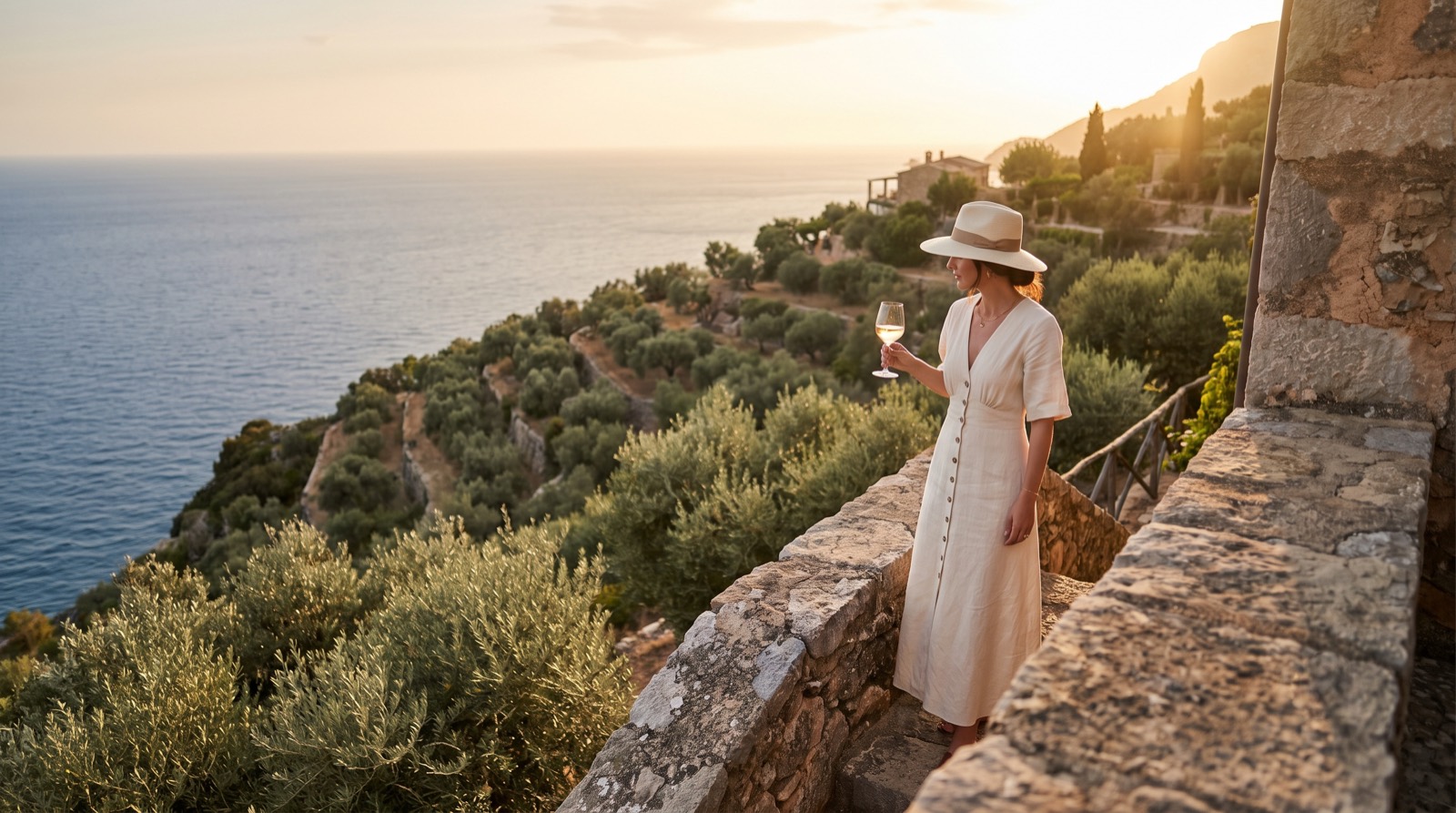
Deià is the artists’ village, hanging between mountain and sea. Robert Graves lived here and is buried here, and that bohemian legacy still lingers in the air. Its houses step down terraces that fall towards the Mediterranean, and its sunsets from Son Marroig are legendary. It’s very small, very exclusive and among the most expensive on the island, with barely any services in the village itself: Sóller, ten minutes away, is the real base. You choose it for what it is, not for convenience. Here’s what living in Deià is really like.
Fornalutx appears on every list of the most beautiful village in Spain: slate steps, stone houses, flowering pots and orange terraces in the Sóller valley. Tiny and profoundly quiet, with trails heading into the Tramuntana straight from the square, and Sóller five minutes away for anything you need. For those after seclusion and extreme beauty; not for those who want everyday life right on the doorstep. Here’s what living in Fornalutx is really like.
The north
Pollença, Alcúdia and Artà
Pollença has a beautiful old town, the famous Calvari with its 365 steps, and one of the best Sunday markets on the island. It strikes a difficult balance: genuine charm and real life all year round, with a summer Music Festival and Port de Pollença and Formentor twenty minutes away. The natural gateway to some of the most spectacular landscapes in the north. Here’s what living in Pollença is really like.
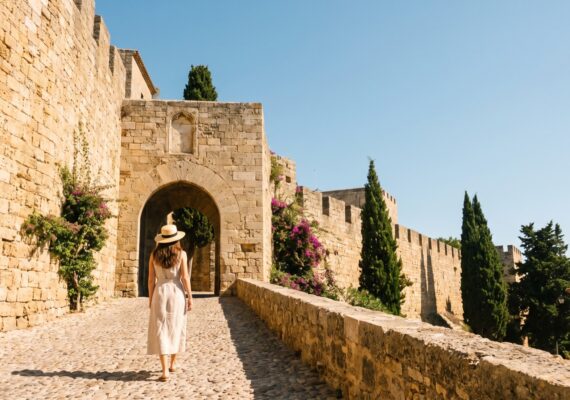
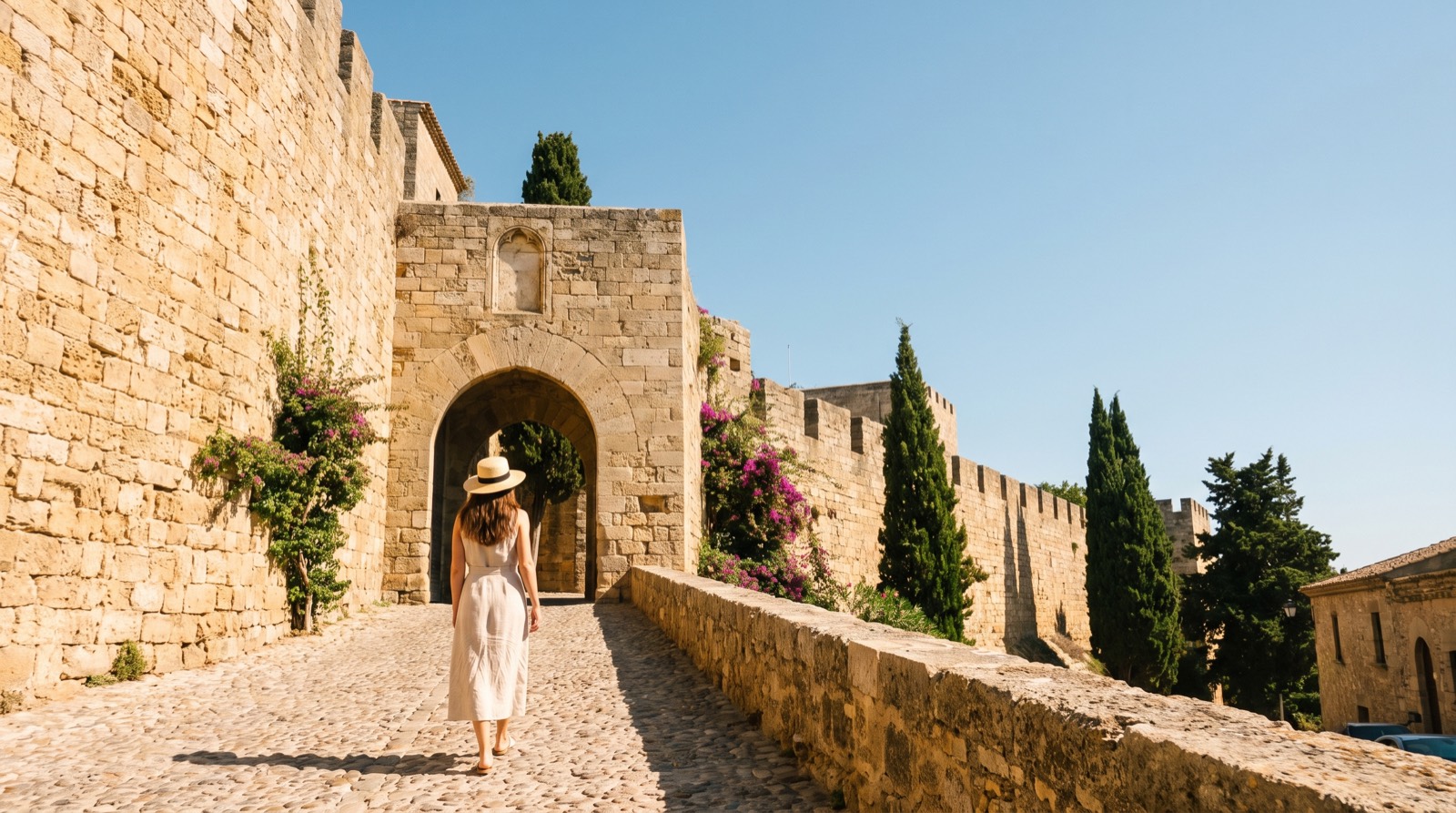
Alcúdia has one of the prettiest historic centres on the island: a 14th-century walled medieval enclosure, stone streets, and the ancient Roman city of Pollentia at its feet. It combines history, a Tuesday market, village life and the closeness of the island’s largest bay, its beaches and the s’Albufera nature park. For anyone who wants a historic centre with charm without giving up the beach and full services. Here’s what living in Alcúdia is really like.
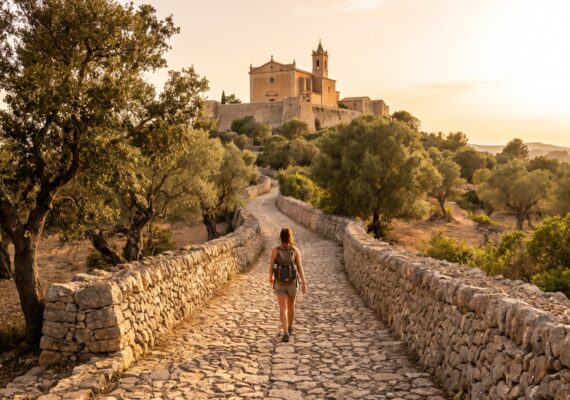
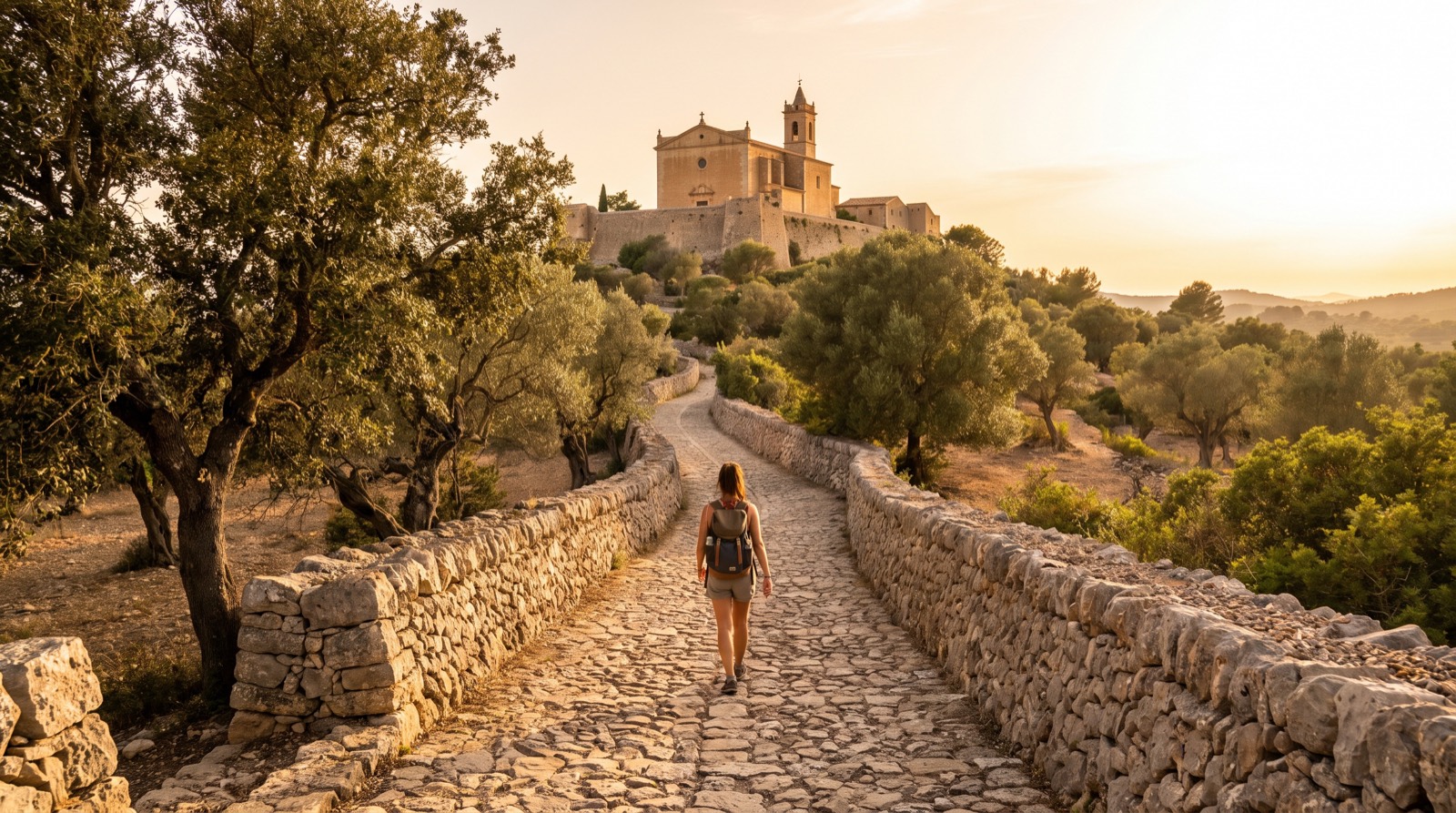
Artà is the authentic Llevant: a hillside village crowned by the walled Sant Salvador sanctuary, with the Ses Païsses talayotic settlement among holm oaks and some of the wildest beaches on the island — Cala Torta, Cala Mesquida — fifteen or twenty minutes away. Full services, a Tuesday market and reasonable prices; the airport, the furthest on this list (55-60 min). For anyone who wants the real Mallorca of the Llevant. Here’s what living in Artà is really like.
The interior and the southeast
Felanitx, Santanyí, Ses Salines, Colònia and Campos
Felanitx is an inland village with character, a winemaking tradition and a lively Sunday market. It’s crowned by the Sant Salvador sanctuary — at over 500 metres, with views across the whole island — and, at its feet, the medieval, rocky Santueri Castle. Portocolom, one of the prettiest fishing harbours in the southeast, is fifteen minutes away. A good balance of price, services and closeness to the sea. Here’s what living in Felanitx is really like.
Santanyí is already our patch, the southeast. Golden marès stone, the light that won over painters, art galleries and a market on Wednesdays and Saturdays. And the gateway to the most unspoilt coves on the island: Cala Llombards, Caló des Moro, Cala Figuera, Mondragó. It lives all year, has services to spare, and a well-kept atmosphere without ever becoming overcrowded. Here’s what living in Santanyí is really like.
Ses Salines is our village, and we say so with pride. Small and flat, alive twelve months a year, its gastronomic emblem is Bodega Barahona – Casa Manolo, an institution since 1945. Ten minutes away, Es Trenc and the Colònia. At the Cap de Ses Salines, one of the skies with the least light pollution on the island. Affordable, authentic and well situated. Here’s what living in Ses Salines is really like.
Colònia de Sant Jordi is the seaside village of the southeast: harbour, promenade, restaurants and the best beaches in the area. From here the boats leave for the Cabrera National Park. Livelier in summer and quiet the rest of the year — very quiet in winter; for anyone who wants to live with the beach literally at the door and accepts the rhythm of the season. Here’s what living in the Colònia de Sant Jordi is really like.
Campos is agricultural inland Mallorca, authentic, with one of the busiest markets in the southeast and every service — it’s where the rest of the villages do their big shop. It isn’t a postcard village, but it’s the real Mallorca. Its municipal area reaches all the way to Sa Ràpita and the sands of Es Trenc; the thermal springs of Font Santa are unique in the Balearics. Practical, affordable and with the beach a stone’s throw away; perfect for living all year round. Here’s what living in Campos is really like.
The choice
Which one fits you?
There’s no such thing as “the best village in Mallorca”: there’s the one that fits your way of living, your budget and the rhythm you’re looking for. What we can tell you is what each one is really like once summer fades. We live in the southeast all year round and know every village, every cove and every neighbour first-hand.
If you’d like us to tell you in detail what living in any of these villages is like, click through each of the links in this guide: every spoke has its own complete guide with services, logistics, housing, frequently asked questions and the view of someone who lives it. And if you already know where you want to go and you’re looking for a home, write to us: we’ll be glad to help you find yours. You can also take a look at the best beaches and coves of Mallorca if the sea is your priority when choosing an area.