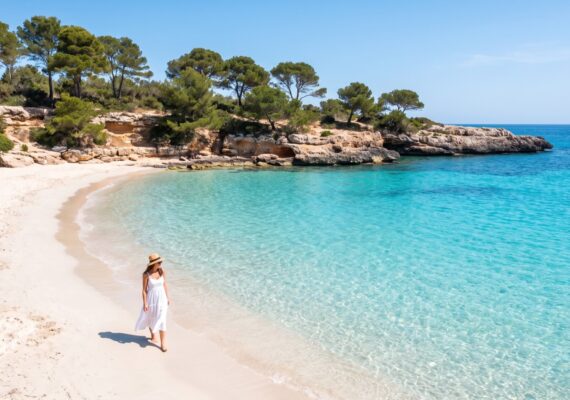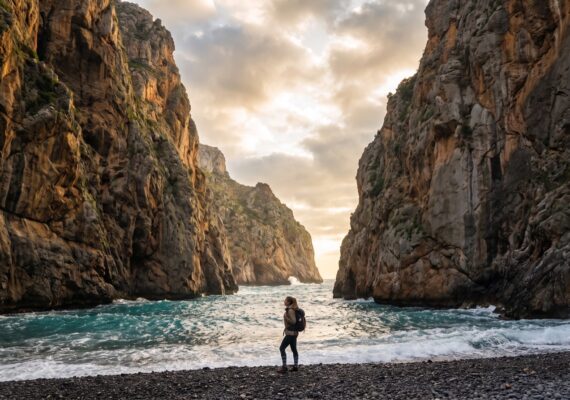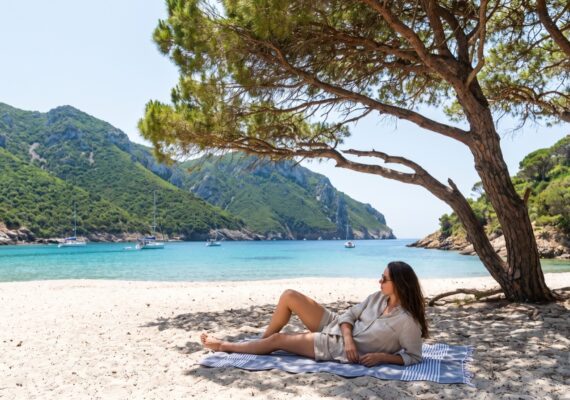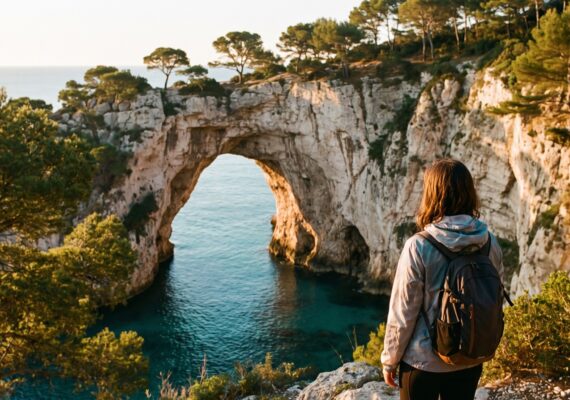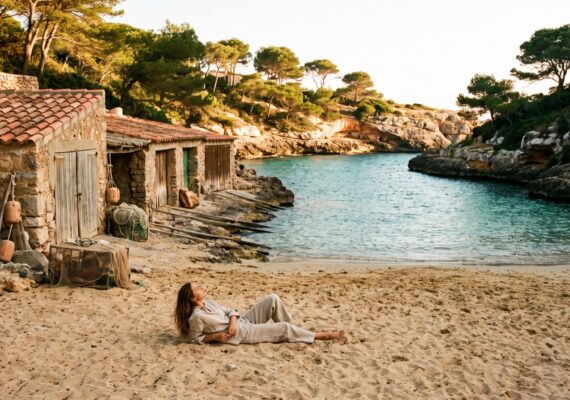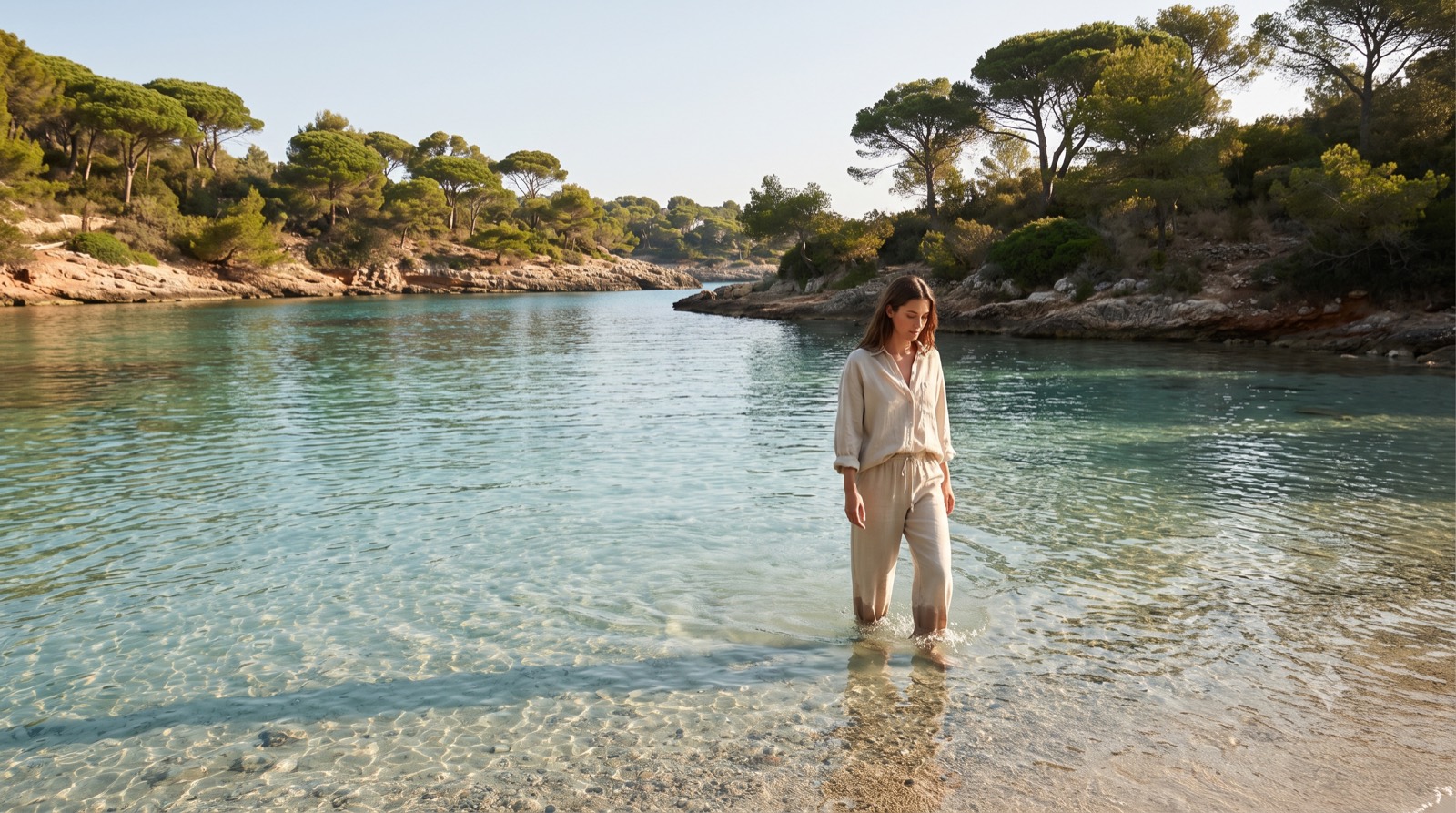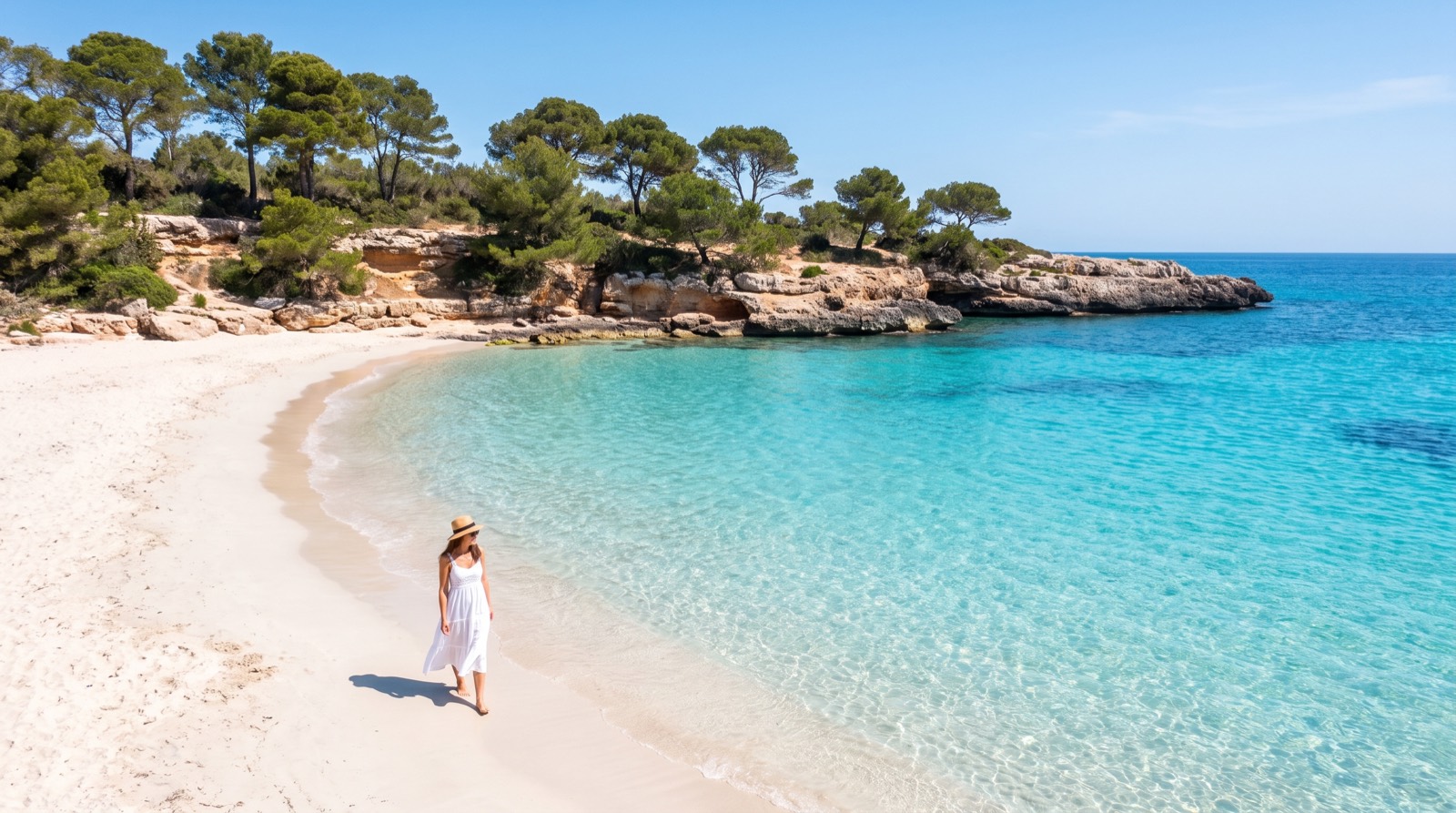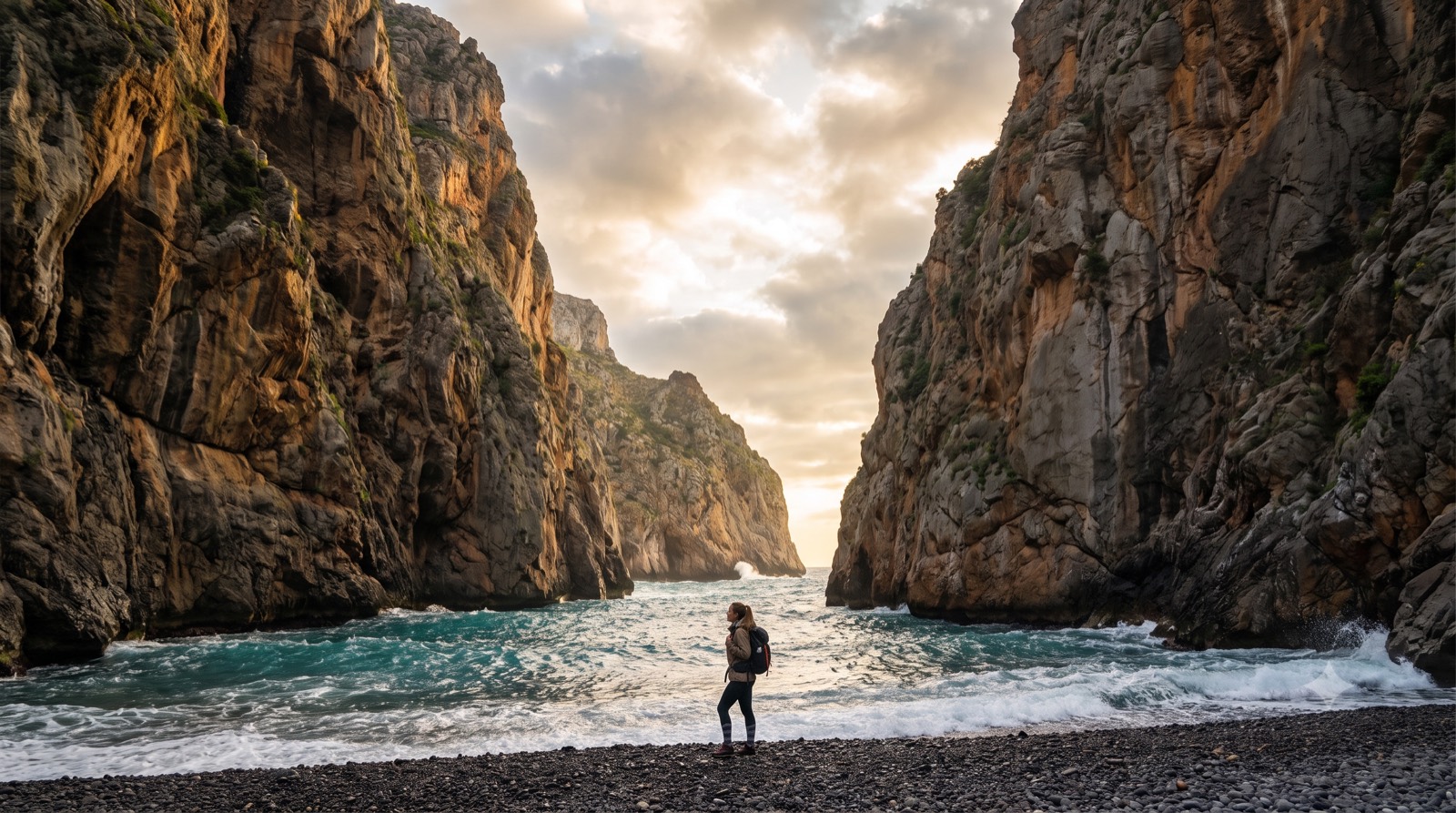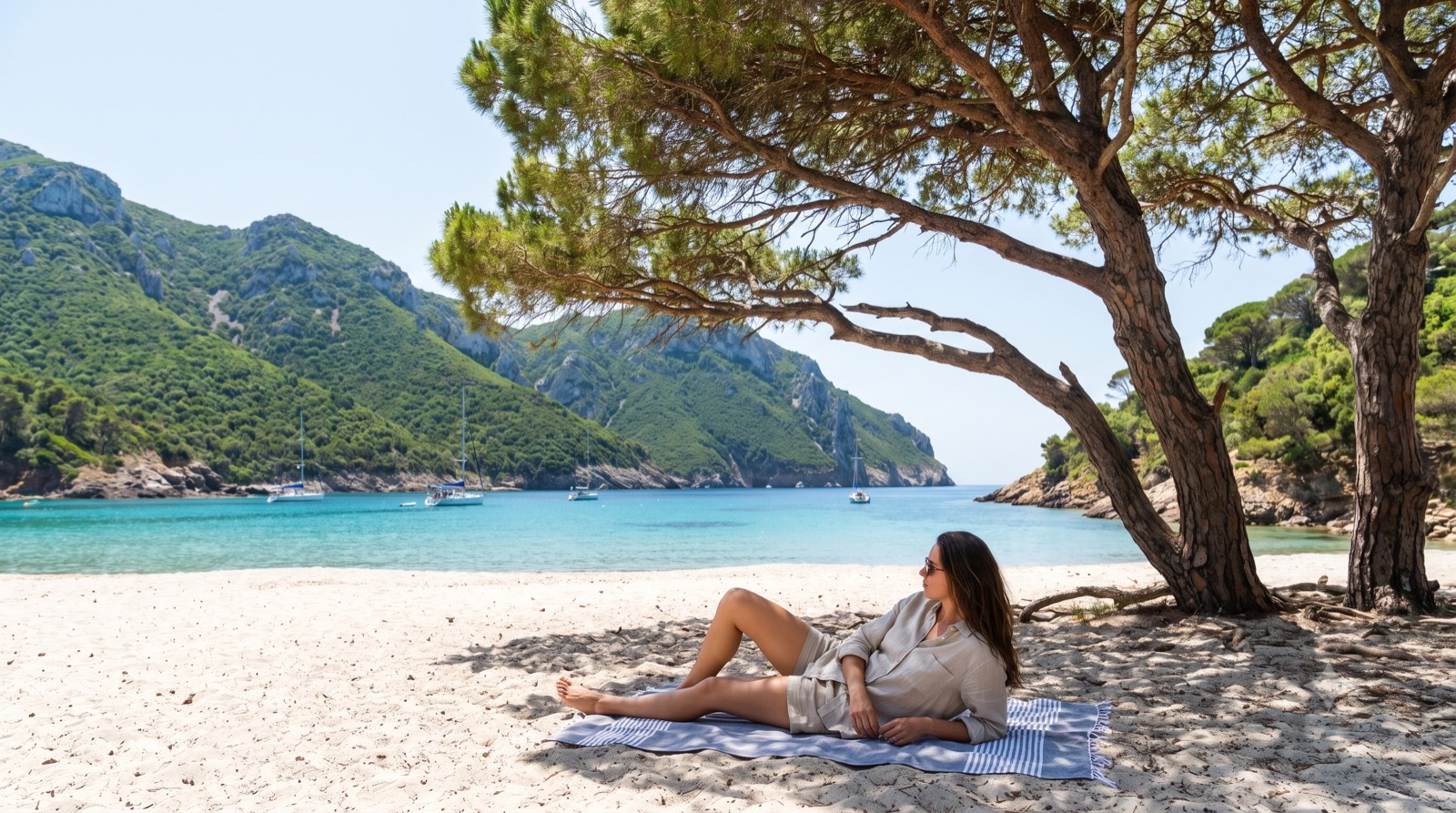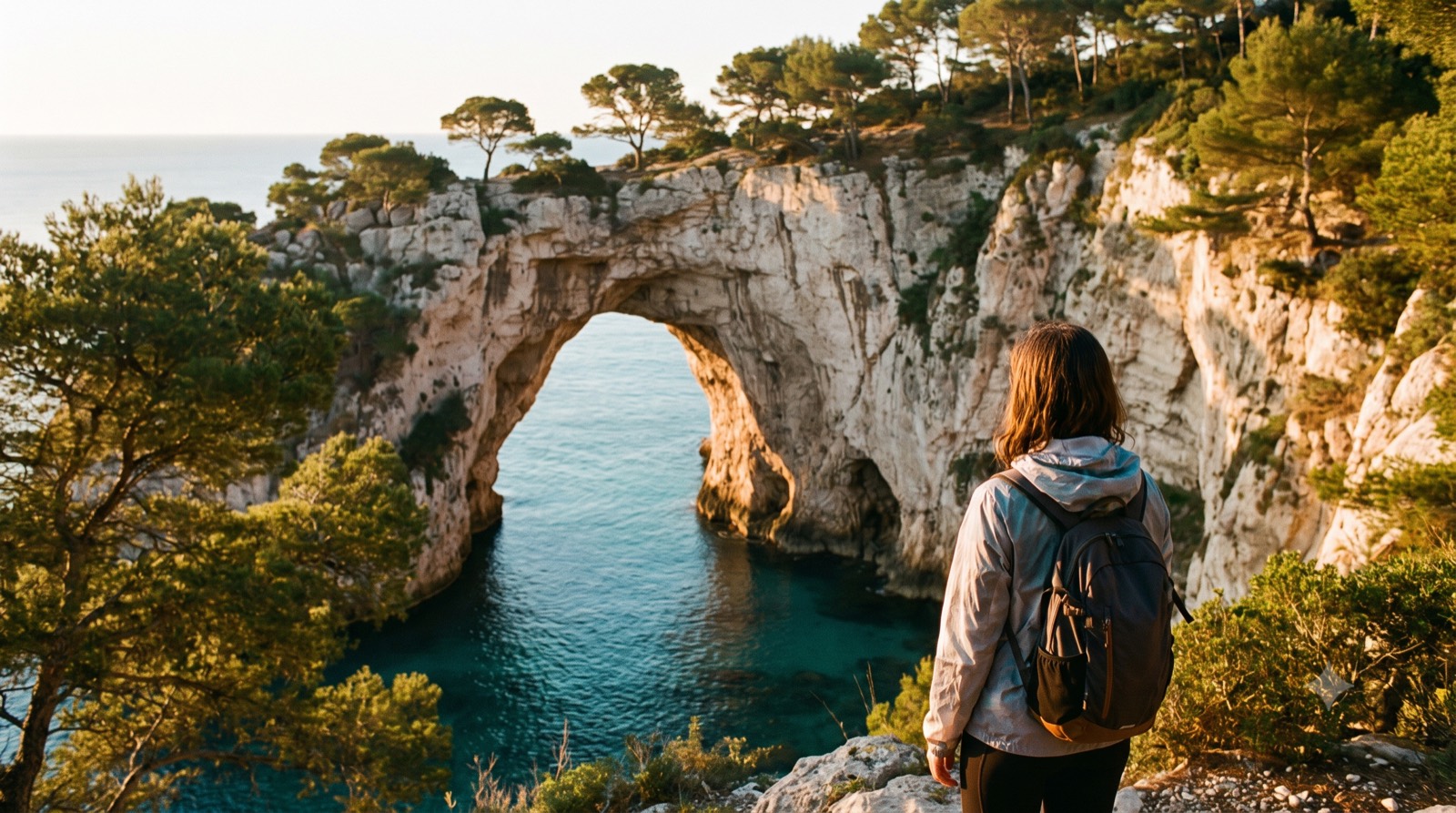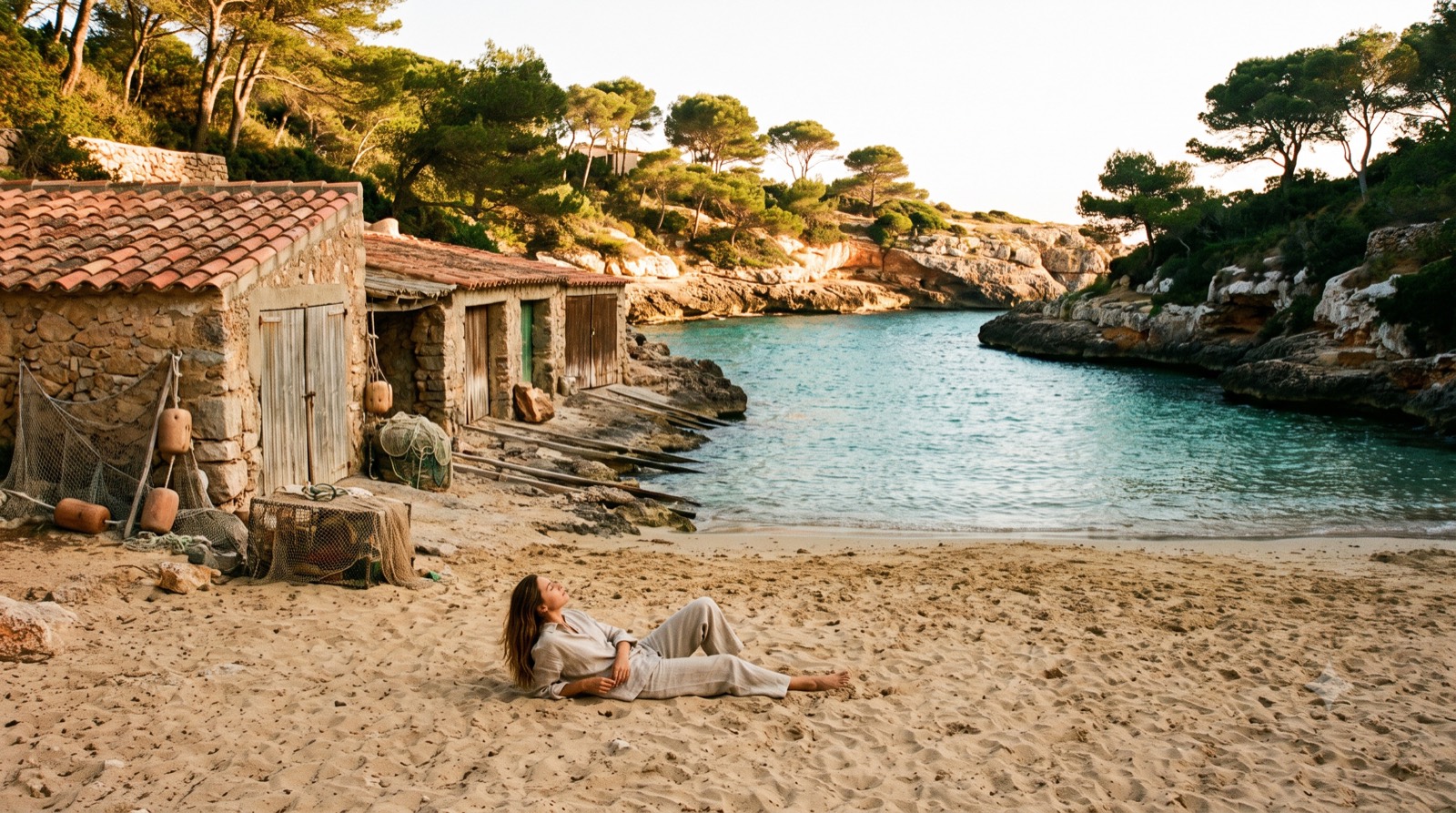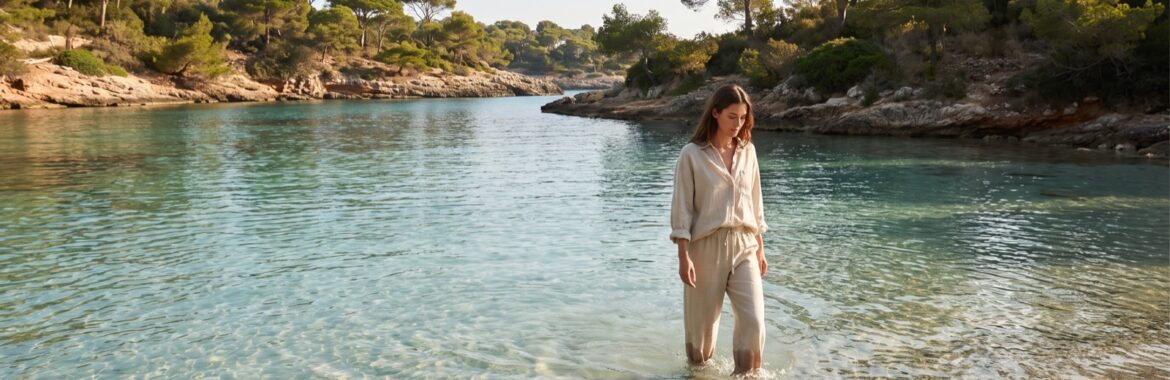
Cala Mondragó is one of the few picture-postcard coves in Mallorca that is also genuinely easy to enjoy. White sand, turquoise water and pine woods, all inside a protected nature park in the southeast of the island, in the municipality of Santanyí. Unlike other wild coves that take real effort to reach, Mondragó pairs untamed beauty with easy access and services, which makes it ideal for families and for anyone who wants to enjoy the sea without complicating their day. Here’s what it’s like and how to make the most of it.
What sets Mondragó apart is that it is protected nature and accessible at the same time: a nature park of clear-water coves you can drive to, with parking and a few services, but no developments at the water’s edge. For many people, it’s the perfect balance between a wild cove and a practical beach.
Two coves, one park
What the coves of Mondragó are like
The Mondragó park actually holds two main coves, separated by a small headland and linked by a lovely coastal path of about ten minutes on foot that is worth the visit in itself.
S’Amarador is the broader of the two: a generous stretch of fine white sand, backed by dunes and a pine wood that throws natural shade, with water that shifts from turquoise to blue and a seabed that shelves gently from the shore. It’s the more family-friendly cove and the one with the most room for everyone.
Cala Mondragó — also known as ses Fonts de n’Alís — is a little more tucked away, with especially calm, shallow water that is perfect for small children. Ringed by pines and low cliffs, it keeps a more intimate, sheltered feel. In season it’s also the busier of the two, precisely because of that calm.
Both share that unmistakable turquoise of southeastern Mallorca and a clean sandy bottom that invites you straight in. Because they sit protected inside the nature park, they keep a natural, well-kept look, without the wall of construction you see in other parts of the coast. And between the two, the coastal path that links them hands you viewpoints and beautiful corners along the way: Mondragó is a place not to stay put on the sand but to explore the whole setting on foot.
More than a beach
The Mondragó nature park
The coves are only part of the appeal. The Mondragó nature park protects a valuable mix of pine woods, dunes, wetlands and cliffs, with signposted trails that let you cross it on foot and discover a surprising range of landscapes for such a compact space. The bird hides inside the park are a good place to stop for enthusiasts: in the wetlands it’s common to see herons, ducks and migratory birds passing through. It’s a beautiful spot to walk outside beach hours, especially in spring and autumn.
From Mondragó, too, run coastal paths that connect with nearby coves and viewpoints, including a strikingly beautiful coastal route towards the surroundings of Cala Figuera. The fact that a place like this has been kept wild, free of building, is exactly what gives it such value — and what reassures anyone who lives nearby: this landscape isn’t going to change.
The park also serves an important educational and conservation role: it protects the meadows of Posidonia oceanica that keep the water clean, the dunes of S’Amarador that act as a natural barrier, and a coastal ecosystem that elsewhere in Mallorca has vanished under concrete. That context of protection is what allows the coves to keep that colour and that clarity.
Getting there and services
Access, parking and what to expect
One of Mondragó’s great advantages is how easy it is to reach. You get there easily by car from Santanyí or from Portopetro, well signposted, and there’s parking (paid in high season) near the coves. Getting down to the sand is relatively comfortable, with no demanding descents, which makes it a far more accessible option than other wild coves around it.
In high season Mondragó has a beach bar and a lifeguard service, two things that clearly set it apart from the wilder coves nearby. That makes it one of the most complete and safest options for a family beach day, something rare along the unspoilt southeast. Even so, it’s worth arriving early in the busiest months, when the car park fills up, and always respecting the protected setting.
For the more active, Mondragó’s calm coves are perfect for an outing by kayak or paddleboard, exploring the nooks of the protected coast from the water. In season there are usually local operators renting gear right from the beach.
Underwater
Snorkelling in the nature park
Mondragó’s clear water and rocky edges offer good conditions for snorkelling: among the rocks at the sides of both coves there’s varied marine life — sea bream, saddled bream, small octopus, the odd squid in open water — and extensive meadows of Posidonia oceanica in very good condition. The protection of the nature park shows in the quality of the water and the density of the underwater life.
It’s worth respecting the Posidonia by treading only on sandy patches, not anchoring over it and not pulling anything off the seabed. In a nature park, the conservation rules apply underwater too.
When to go
The best time for Mondragó
Mondragó is a year-round pleasure. In summer it’s a very complete family beach; in spring and autumn, with fewer people, it turns into an idyllic place to combine a swim with a walk through the park. Spring is especially worth it: the park’s flora is at its best, migratory birds pass through the inland wetland, the water is already mild from May, and the coves have a completely different feel from summer.
In winter, its trails and pine wood make a perfect plan for a morning outdoors. Those who live nearby make the most of exactly these quiet seasons: when the cove recovers all its natural charm and you can have one of the loveliest nature parks on the island almost to yourself, with no need to rise early or hunt for parking.
The surroundings
What's near Mondragó
Mondragó sits right on the southeast coast, surrounded by spots that are worth a visit. Very close by are the charming fishing village of Cala Figuera, the lively Cala d’Or and the quiet harbour of Portopetro. The other way, the wild coves of Santanyí — Caló des Moro, Cala Llombards, Cala Santanyí with the Es Pontàs arch — round off one of the most beautiful coastlines on the island. And the town of Santanyí, with every service, is just a few minutes away. It’s an ideal area for having a different cove or a different landscape on your doorstep each day.
Common questions
Frequently asked questions about Cala Mondragó
What’s the difference between S’Amarador and Cala Mondragó?
S’Amarador is the larger of the two, with a broader stretch of sand, dunes and pine wood. Cala Mondragó (ses Fonts de n’Alís) is more tucked away, with especially calm, shallow water that’s great for small children. The two are about ten minutes apart on foot along the park’s coastal path, and many visitors see both on the same trip.
Is there parking at Mondragó and is it paid?
Yes, there’s parking near the coves, paid in high season. In July and August it’s worth arriving before 10:00 to find a space without trouble. Out of season the parking is usually free. There’s more room here than at coves like Caló des Moro, where there’s simply no parking area at all.
Is Cala Mondragó good for small children?
It’s one of the best options on the southeast coast for families with small children. The water at Cala Mondragó (ses Fonts de n’Alís) is especially calm and shallow, there’s pine shade, access is comfortable, and in season there’s a lifeguard. S’Amarador has wider sand and is also very suitable.
Can you rent a kayak or paddleboard at Mondragó?
In high season there’s usually a kayak and paddleboard rental service in the area of the coves, though the offering can vary from year to year. The calm waters of the nature park are ideal for this kind of activity. It’s worth confirming availability before you go, especially outside the core summer months.
When is the best time to visit the Mondragó park?
Any time of year works, but May–June and September–October are the ideal months: good weather, mild water and a calm atmosphere. In spring the park is at its scenic best and it’s the best time for birdwatching. In winter the trails are beautiful and the coves are almost empty.
How long is it from Santanyí or from Cala d’Or?
From Santanyí it’s about 8–10 minutes by car (roughly 7 km). From Cala d’Or or Portopetro it’s 5–7 minutes. It’s one of the best-connected parts of the nature park in the southeast, with no dirt tracks or tricky roads.
Living nearby
Can you picture living next to the nature park?
Having a nature park of turquoise coves as your home beach is one of the great luxuries of living in the southeast of Mallorca. The areas of Santanyí, Portopetro and Cala d’Or let you live a few minutes from Mondragó and from all the wild coast around it, with the comfort of villages that have life and services all year round. For families looking for nature, sea and quiet without giving up the practical, it’s one of the best areas on the island. We live and work here, so we know every cove, every access point and every house.
If you can picture yourself living near coves like this one, write to us: we’d be delighted to help you find your place.