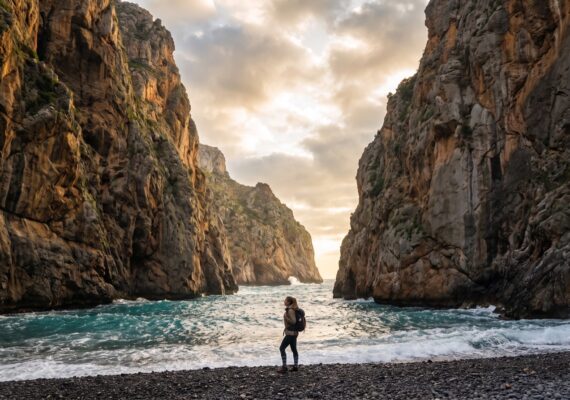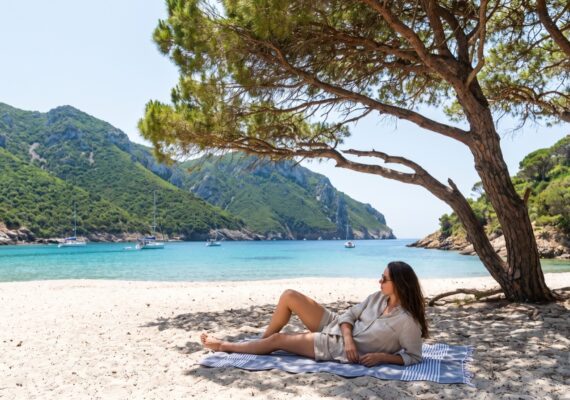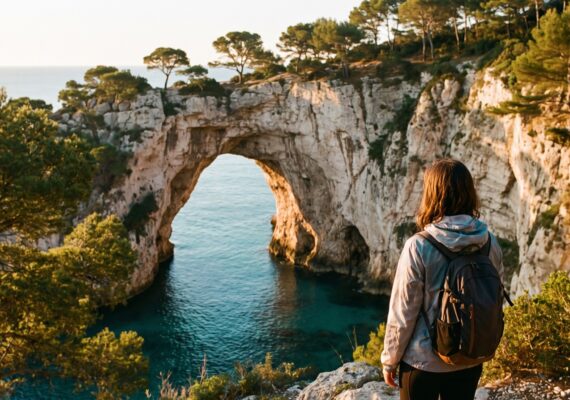
Caló des Moro is the most photographed cove in Mallorca, and it sits right in our corner of the island, the southeast. A tiny pocket of white sand and almost unreal turquoise water, wedged between cliffs and pines in the municipality of Santanyí. It’s so postcard-perfect that it has travelled the world on social media. We’ll tell you honestly what it’s really like: the spectacular side, and also what’s worth knowing before you go so the day goes well.
Caló des Moro is the image many people carry of dream-Mallorca: clear water, fine sand and golden rock, all packed into a minuscule space. But precisely because of its fame and its small size, it’s a cove that rewards a bit of planning to truly enjoy, especially in summer.
The cove
What Caló des Moro (and Cala s'Almonia) are like
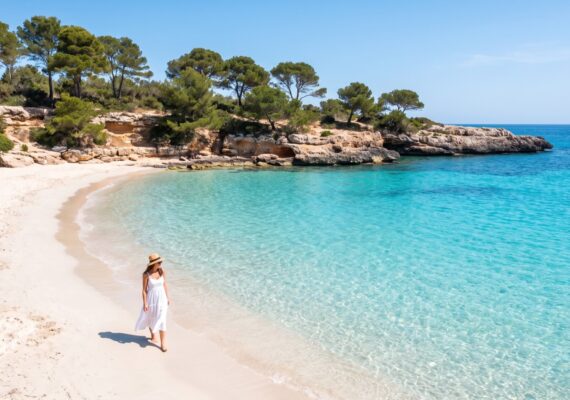
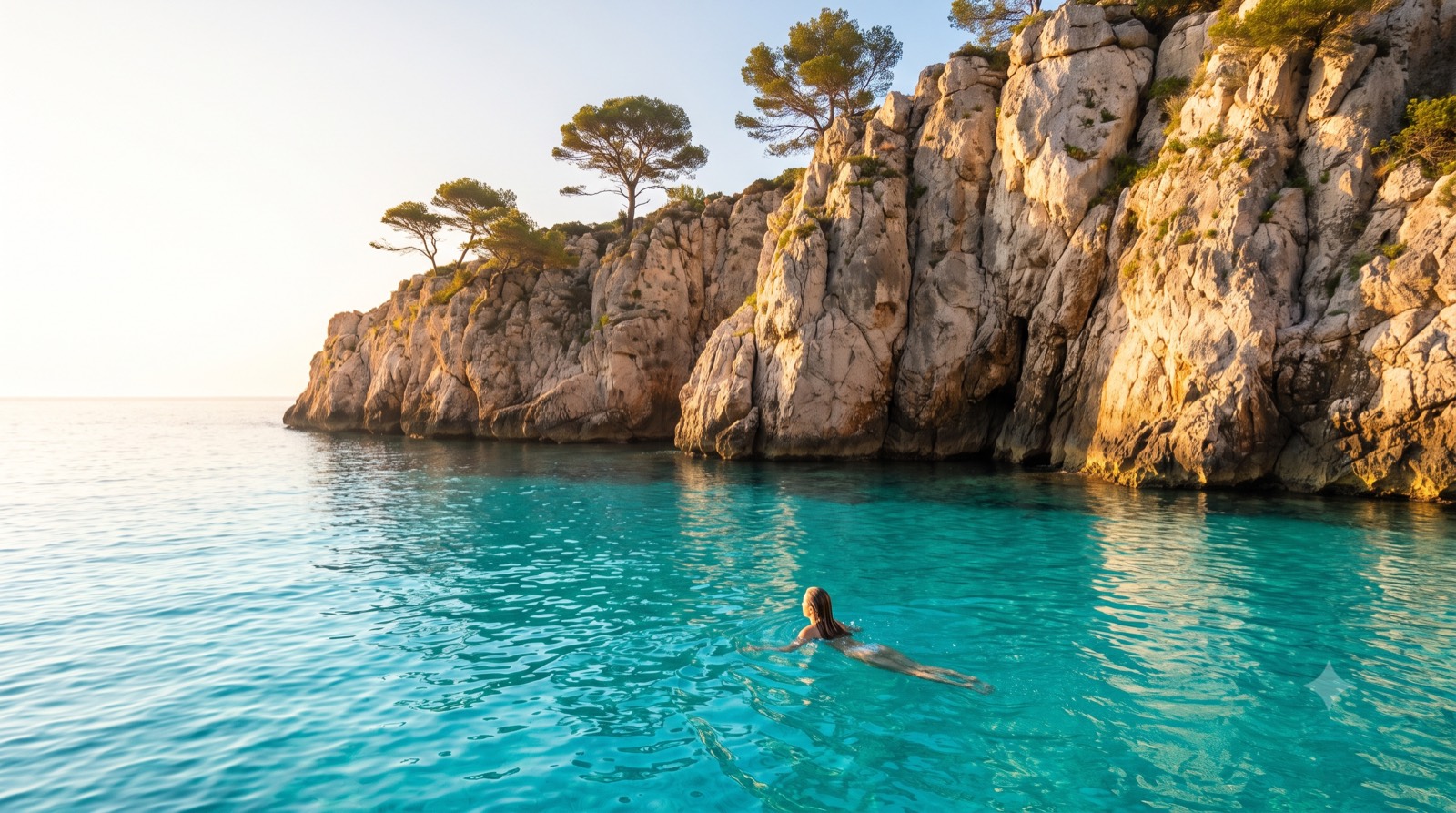
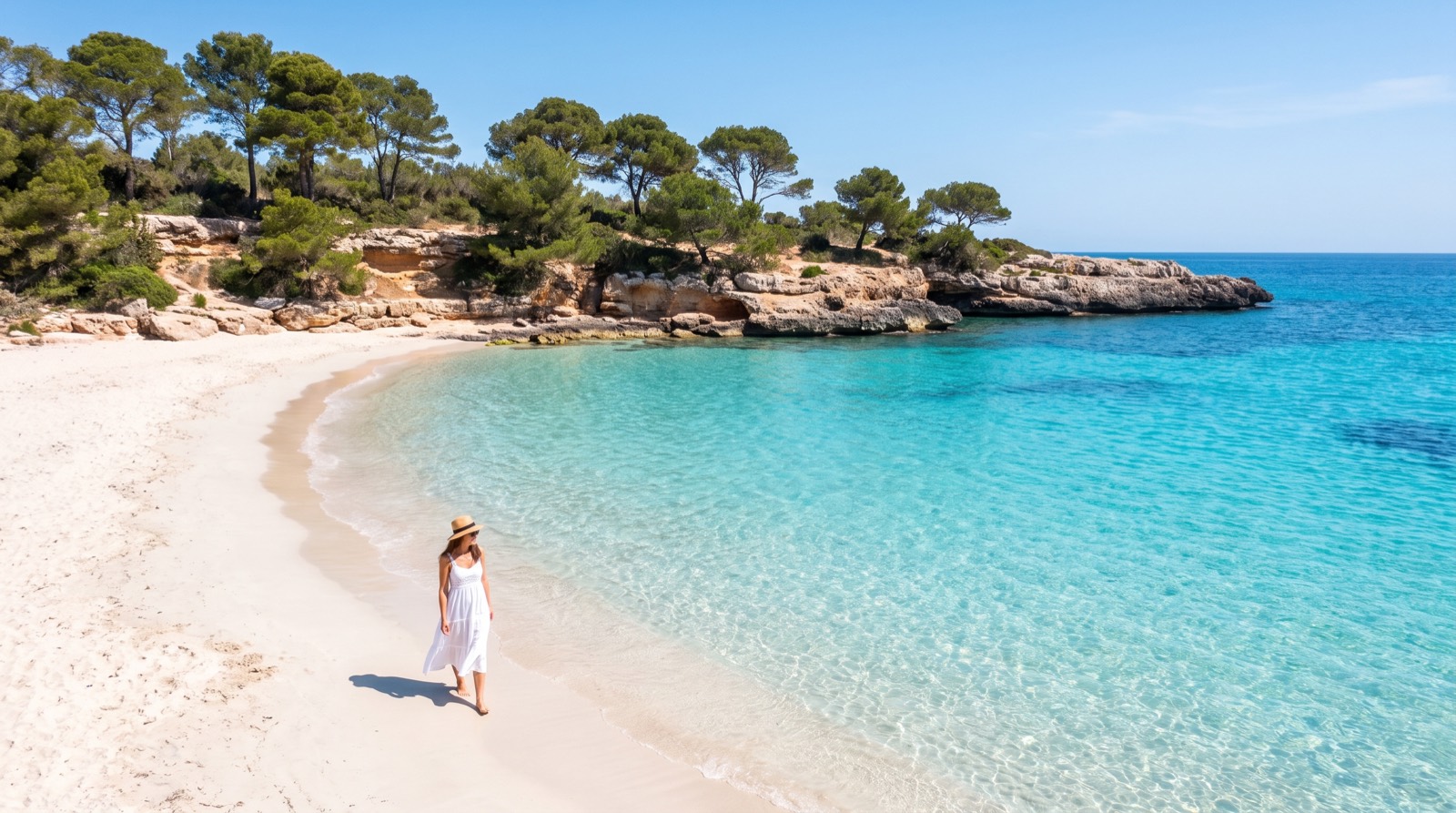
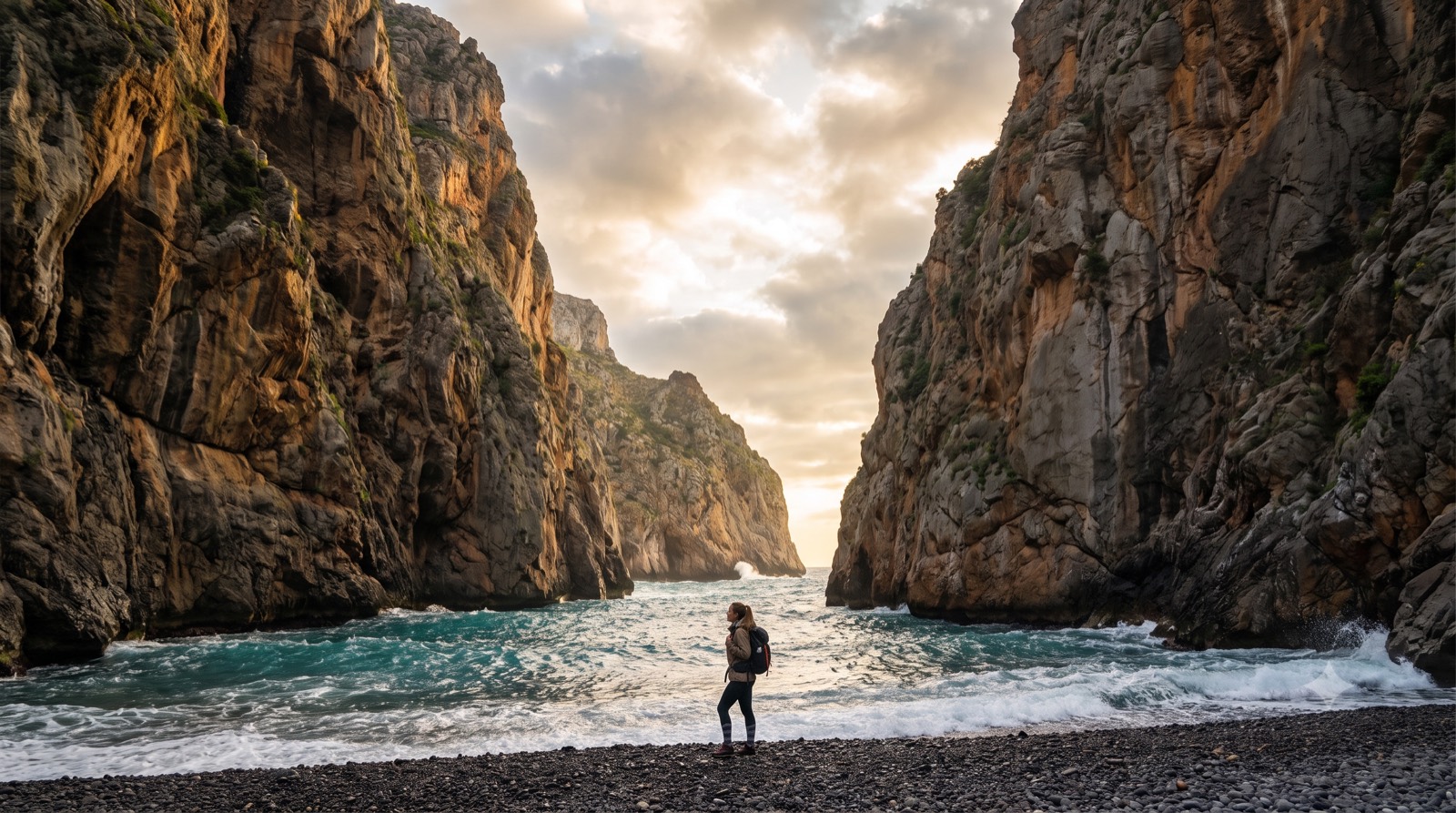
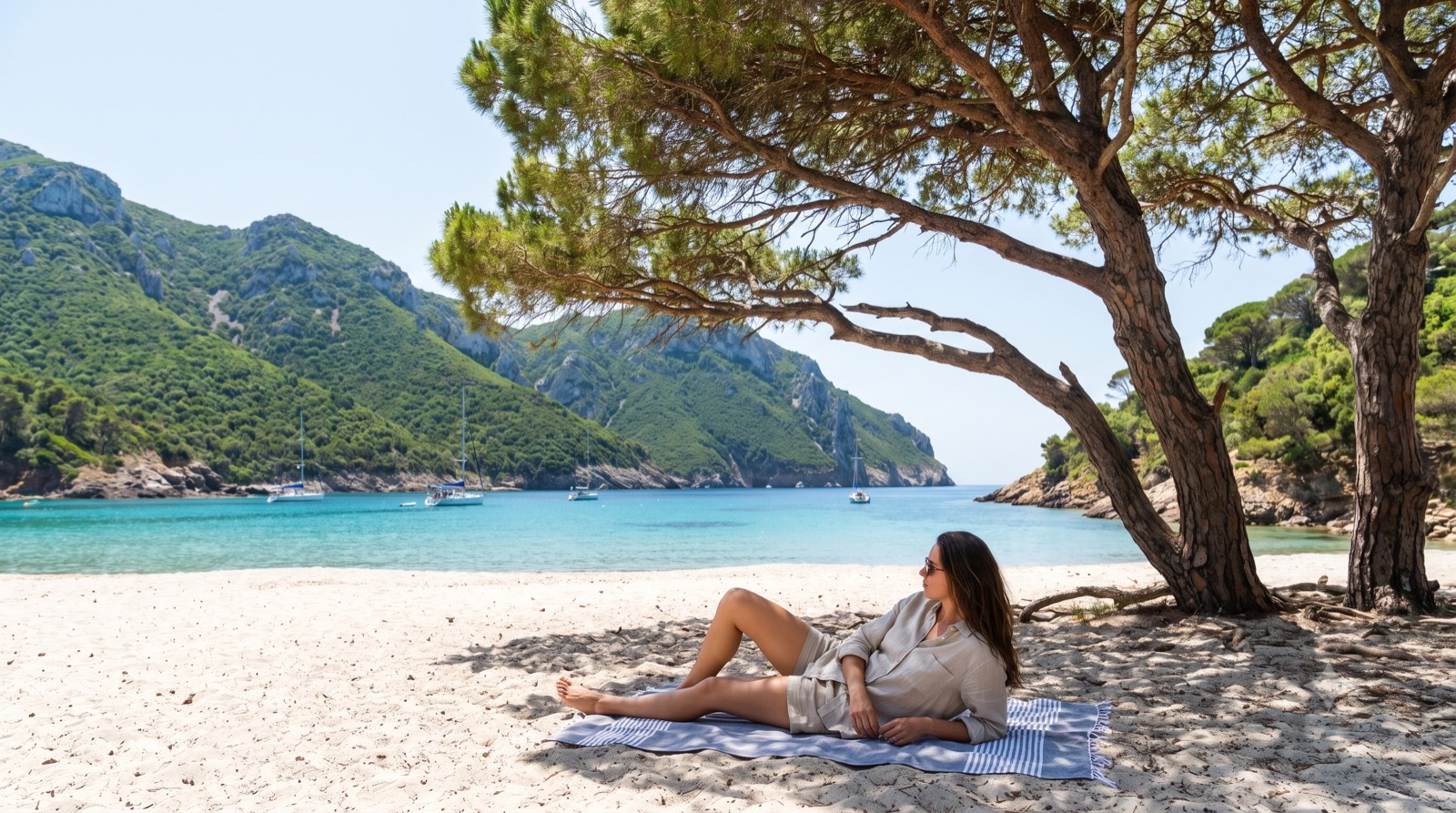
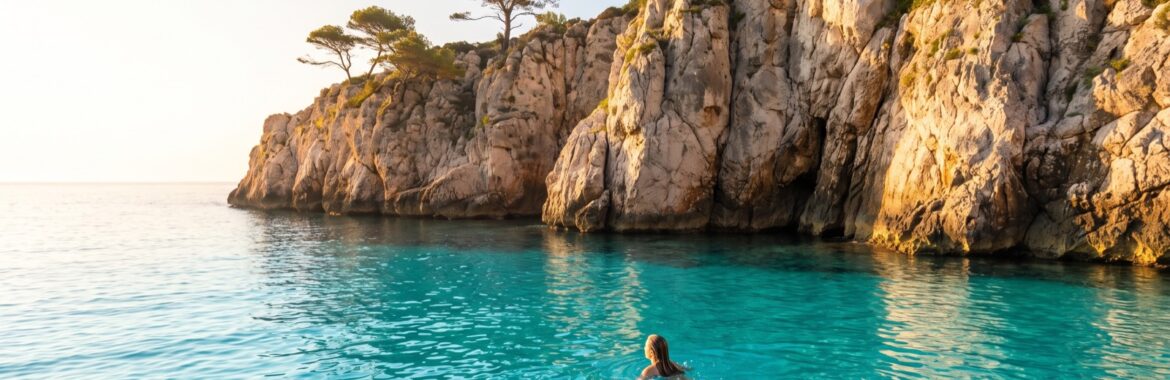
Caló des Moro is a very small cove — barely 30 metres of sand — with a bed of crystal-clear water that shifts from turquoise to deep blue. It’s ringed by golden sandstone cliffs and pines, without a single building in sight, which gives it that wild, untouched look that has turned it into an icon. Because it’s so compact, it fills up quickly: this isn’t a place to plant a parasol for the whole day, but somewhere to arrive with a light bag, swim, stand open-mouthed and, if you’re lucky, have it almost to yourself.
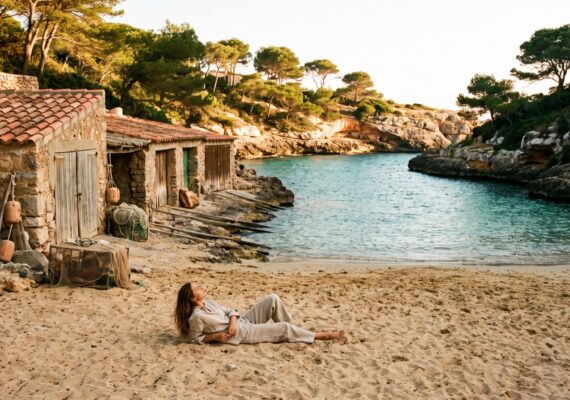
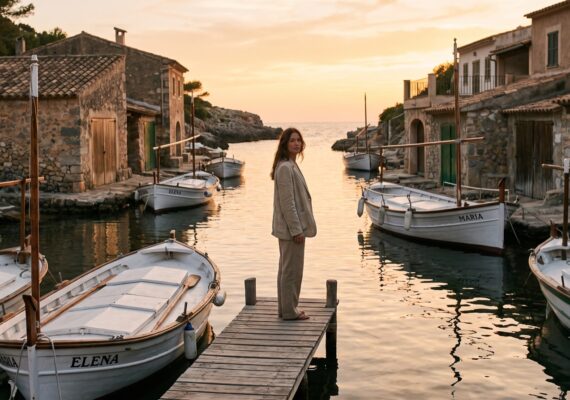
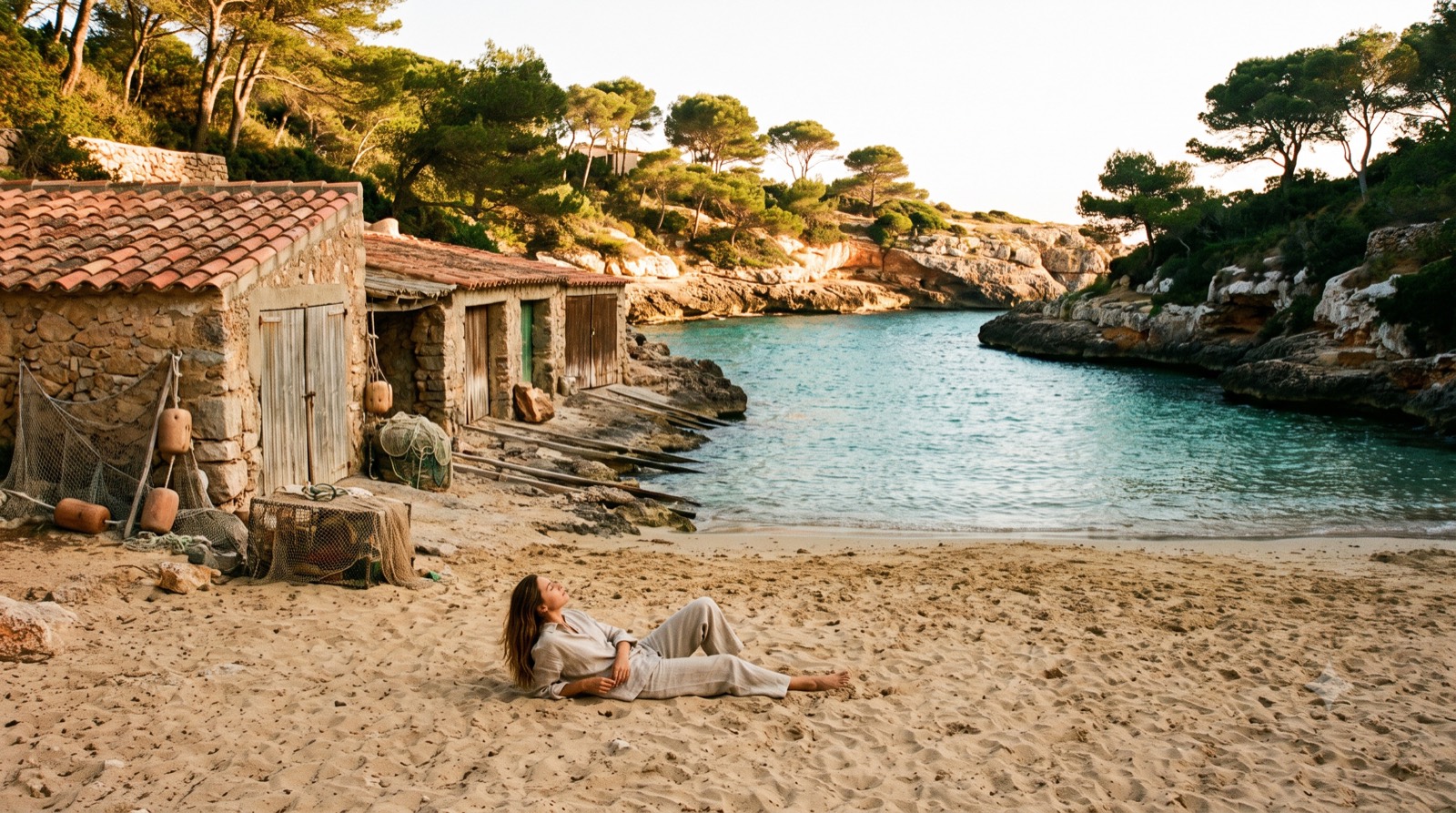
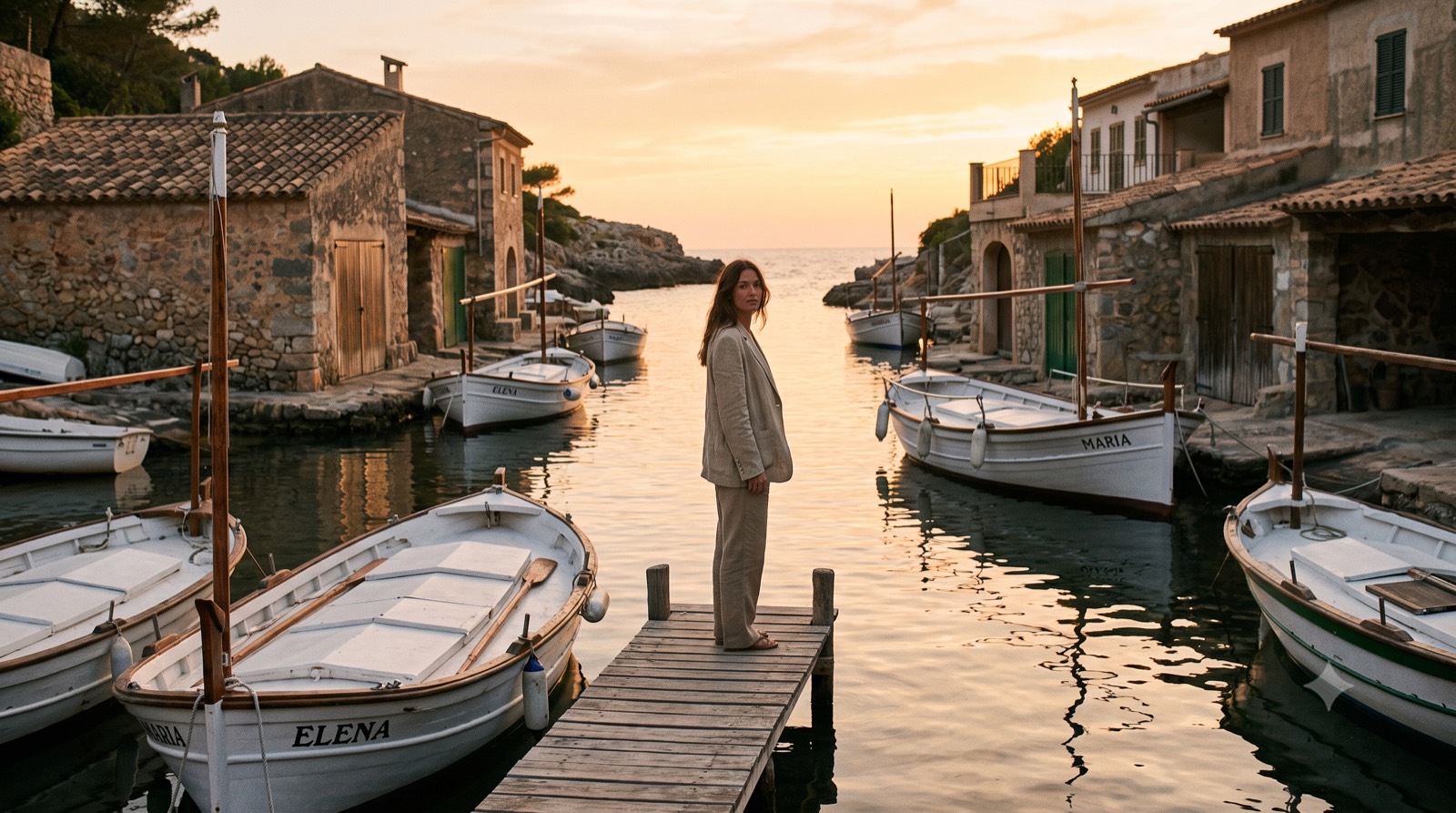
Right next door, literally a few steps away, is its sister cove: Cala s’Almonia. A little wider and with a charm all of its own, very different from Caló’s. Here the ground is rock rather than sand, and the transparent water sits alongside the old fishermen’s huts and the boat slips carved into the sandstone, where boats have been kept for generations. It’s a more authentic, local cove, less photographed but every bit as lovely, and the contrast with Caló des Moro makes it especially interesting. Many visitors combine the two in a single trip, as they share the same access and are just a few minutes apart on foot.
The water in both coves is perfect for snorkelling: it’s so clear you can see the bottom several metres down, and among the rocks along the sides there’s varied marine life and Posidonia meadows in very good condition. Anyone who brings a mask and snorkel will find the cove is just as beautiful below the surface as above it.
The reality
Why it's so famous and how to enjoy it well
Caló des Moro became known around the world through social media, and that fame is both its appeal and its problem. At the height of summer it can become saturated, with dozens of people competing for a few square metres of sand — which is why access has had to be regulated to protect the surroundings. The photo of Caló in August, the cove packed with people, is a very different thing from the one you see on Instagram, taken at dawn with nobody around.
The good news is that choosing your moment well is all it takes to recover that idyllic image. Anyone who lives in the area knows it: the same cove that looks worn out in August is a calm paradise in May or November. It’s no exaggeration — it’s a reality that those of us lucky enough to live here repeat without ever tiring of it.
Getting there
Access, parking and the path down to the cove
Here’s the key thing almost nobody mentions. Caló des Moro can only be reached on foot: there’s no road and no car access down to the shore. You have to leave the car in the nearby residential area or in the parking spots set up around it — which fill up fast in summer too — and walk about 10 to 15 minutes along a dirt path through the pines to reach the cove. The final descent to the sand involves steps and rocks that call for a little care and reasonably suitable footwear. It is not suitable for pushchairs or for anyone with reduced mobility.
Parking is very limited and in summer it’s full before 9am on the busiest days. The area is also regulated to protect the surroundings and the peace of the residents. The advice from someone who lives here is clear: go first thing in the morning or late in the afternoon, and better still outside July and August. Summer Sundays are particularly tricky.
An increasingly popular alternative is to arrive on foot from the neighbouring coves: the coastal path linking Cala Llombards with Caló des Moro takes about 20 to 25 minutes on foot and rewards you with lovely views of the coast, the sea always in sight, while sidestepping the parking problem entirely.
No facilities
What to bring and how to plan your day
Caló des Moro has no facilities whatsoever: no beach bar, no toilets, no shade beyond the pines. It’s pure nature, and it should be treated that way. It pays to come fully prepared: plenty of water, something to eat, sun protection, footwear for the rocks and — essential — to take absolutely everything back out with you. The cove stays this clean precisely because those who come respect it.
A well-planned day at Caló des Moro might look like this: set off at dawn, reach the cove while it’s still almost empty, a long swim and snorkelling along the rocky edges, then a walk over to Cala s’Almonia to see the fishermen’s huts, and by midday head up to the village of Santanyí (8 to 10 minutes by car) where there are restaurants, cafés and every service. Back to the cove late in the afternoon for the last swim of the day.
When to go
The best time of year for Caló des Moro
Spring and autumn, without a doubt: May, June, September and October are the months when Caló des Moro shows its best face, with warm water, perfect weather and the cove accessible without the summer crush. At those times, arriving mid-morning and finding the cove peaceful is perfectly possible.
In July and August, the only strategy that works is going at dawn. The first light of day, the cove calm and the colour of the water with nobody around is a completely different experience from the one you’ll have at 11am.
And in the depths of winter, an empty Caló des Moro is one of those landscapes that stays with you: the dark sea, the golden cliffs, the silence and the feeling of having one of the most beautiful coves in the Mediterranean entirely to yourself. For anyone who lives nearby, a December Sunday at Caló is a luxury few people in the world get to enjoy.
The surroundings
What's near Caló des Moro
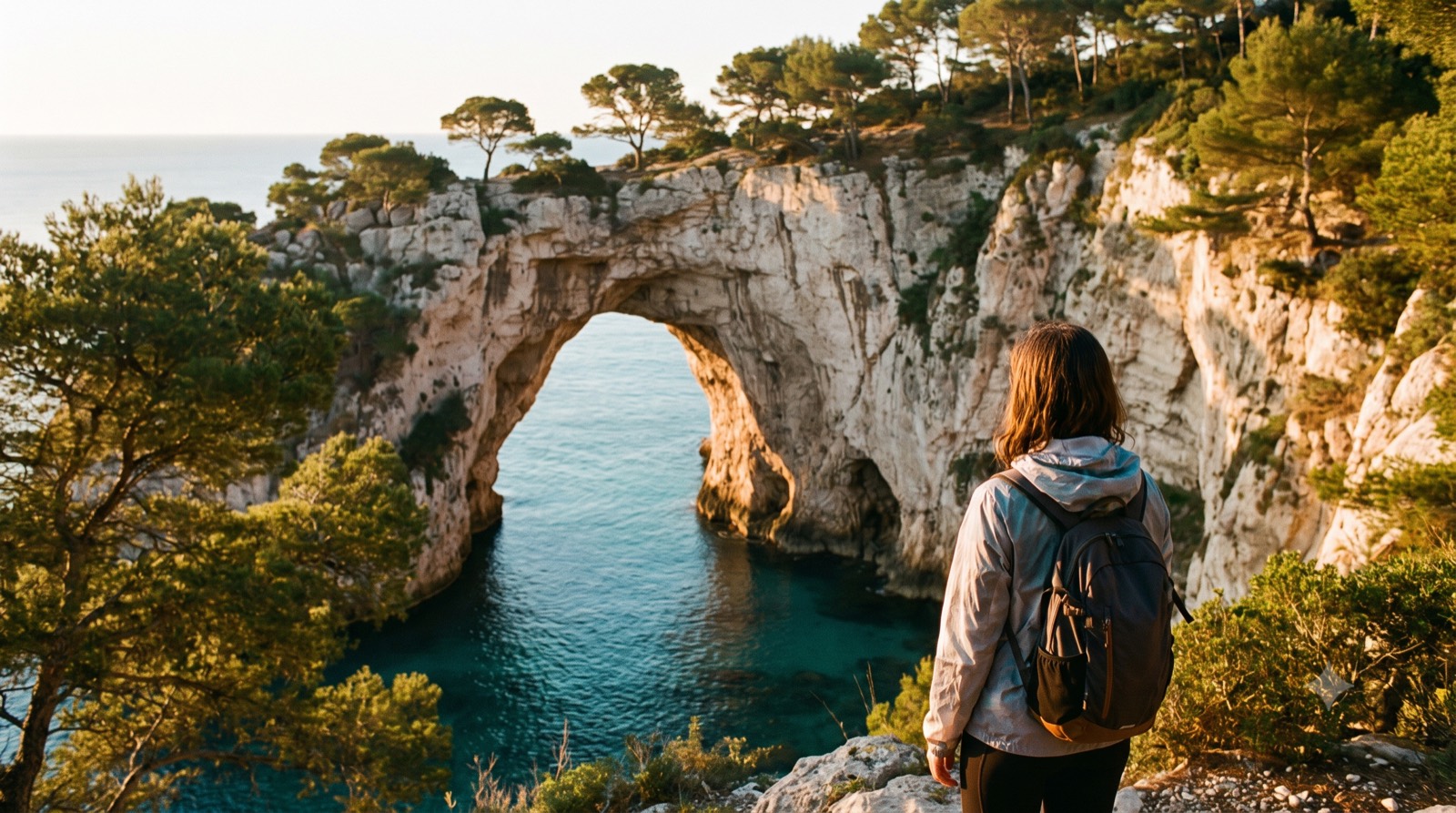
Caló des Moro is surrounded by some of the finest coves in the southeast. Very close by are Cala Llombards, with its fine sand among the pines and its fishermen’s huts, easier to reach; Cala Santanyí and the spectacular natural arch of Es Pontàs, a few minutes away by car; the Mondragó nature park, with its protected coves and walking paths; and the charming fishing harbour of Cala Figuera. The village of Santanyí, with all its services, its art galleries and its market, is just a few minutes away, as is the rest of the unspoilt southeastern coast. It’s an ideal area to discover a different cove each day without long drives.
Common questions
Frequently asked questions about Caló des Moro
Can you park near Caló des Moro?
Parking in the area is very limited. In high season (July and August) it fills up before 9am. There are regulated parking areas about 15 minutes’ walk from the cove. The most convenient alternative is to arrive on foot from Cala Llombards along the coastal path (20 to 25 minutes), or from the more distant car park first thing in the morning.
Is it hard to reach the cove?
It involves walking about 10 to 15 minutes along a dirt path from the nearest car park, and the final descent includes steps and rocks. It is not suitable for anyone with reduced mobility or for pushchairs. Closed or sports footwear is recommended, especially with children. The descent isn’t dangerous, but you do need to take care.
How big is Caló des Moro?
The cove has barely 30 metres of white sand. It’s very small, which is why it fills up so quickly in summer. Cala s’Almonia, right next door, is a little wider though with a rocky bed. Together they form a pair you can explore in a single visit.
Are there any facilities at the cove (toilets, beach bar)?
No, Caló des Moro has no facilities at all. No beach bar, no public toilets, no water points. You need to come fully self-sufficient. The village of Santanyí, about 10 minutes by car, has every service and plenty of places to eat.
Can you snorkel at Caló des Moro?
Yes, and with very good visibility. The clear water and rocky sides make it one of the best snorkelling spots in the southeast. You’ll see Posidonia meadows, sea bream, octopus and rocky-bottom life. Take care not to tread on the Posidonia, which is protected. The best time to snorkel is early morning, when the water is calmest.
When is the best time to visit Caló des Moro?
Spring (May and June) and autumn (September and October) are when it’s most enjoyable: warm water, good weather and a peaceful cove. In July and August, only at dawn. In winter, the empty cove has a charm all of its own. Avoid August Sundays at any time other than dawn.
Living nearby
Can you picture living a step from Caló?
Having coves like these as your home beaches is one of the great luxuries of living in southeast Mallorca. From Santanyí and its surroundings, you reach a string of unspoilt coves in just a few minutes — the ones that fill every photo in summer, but that out of season are left almost to the locals. For anyone dreaming of living surrounded by nature and turquoise water, without giving up a village that’s alive all year round, this is one of the best areas on the island. We live and work here, so we know every cove, every access point and every house.
If you can picture yourself living near coves like this one, write to us: we’d be delighted to help you find your place. We live and work in the area all year round, so we can tell you what each spot is really like once summer fades — not just how it looks on an August postcard.