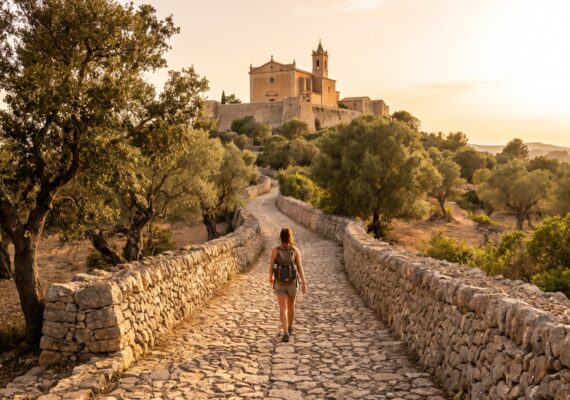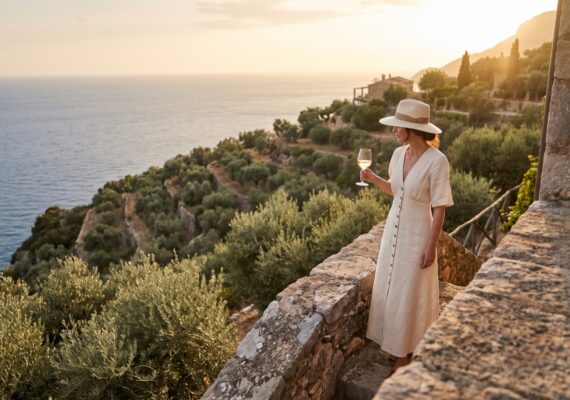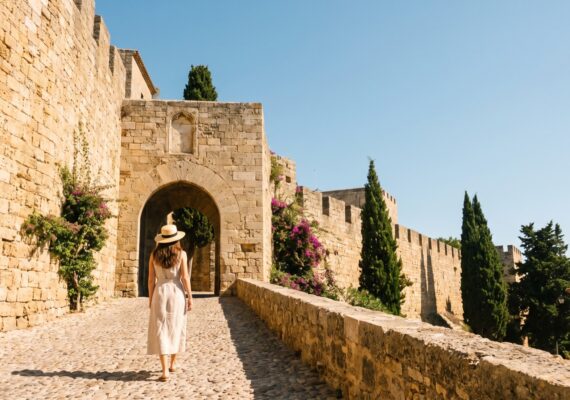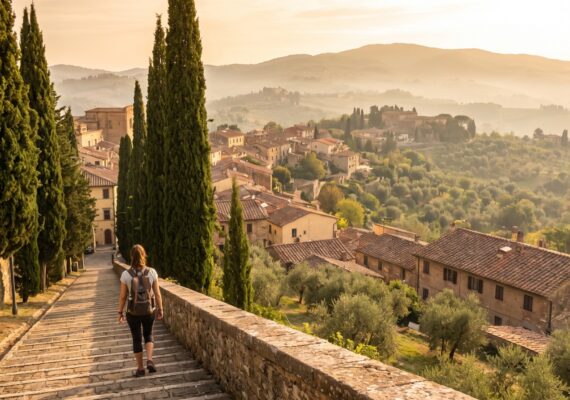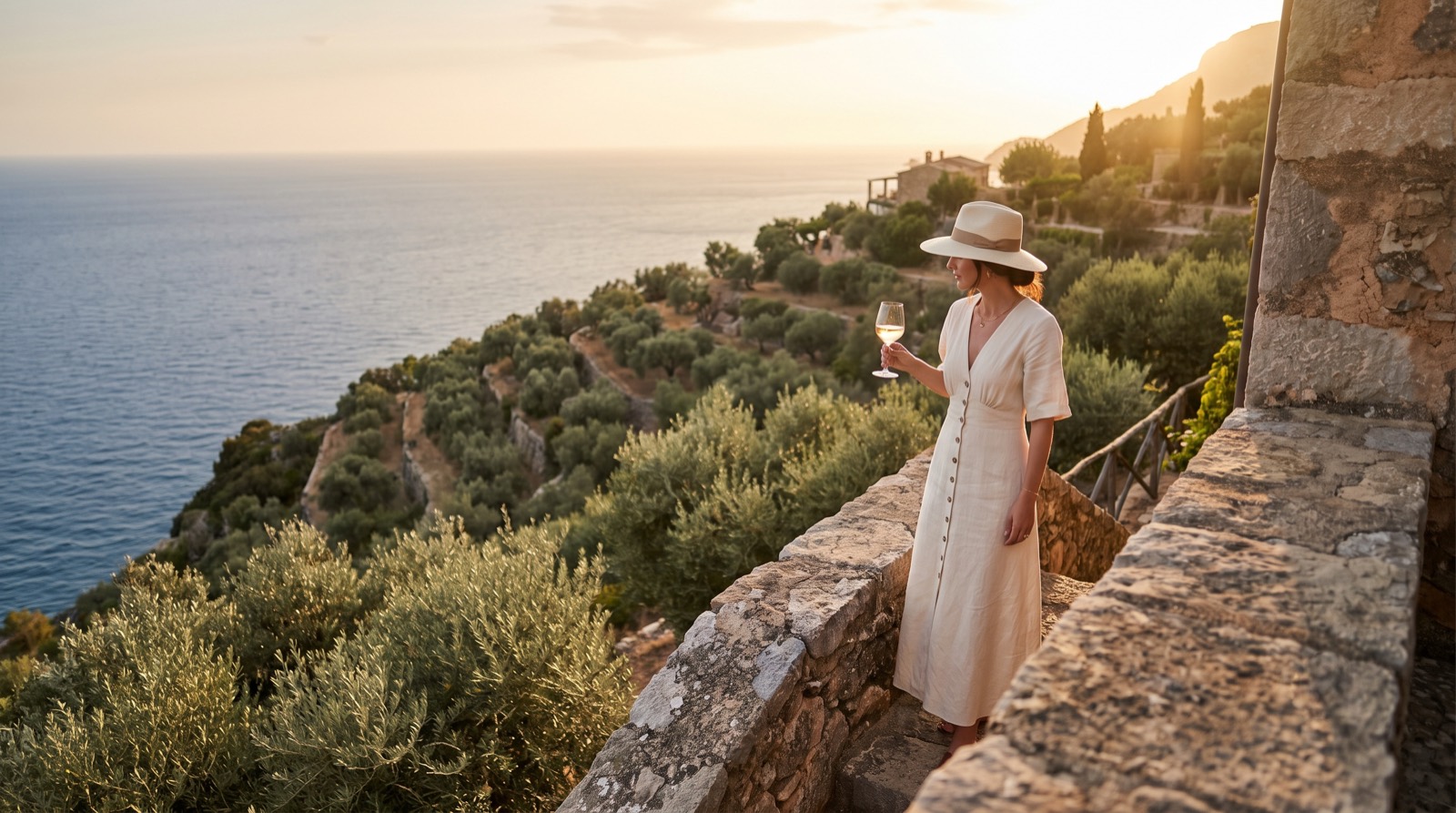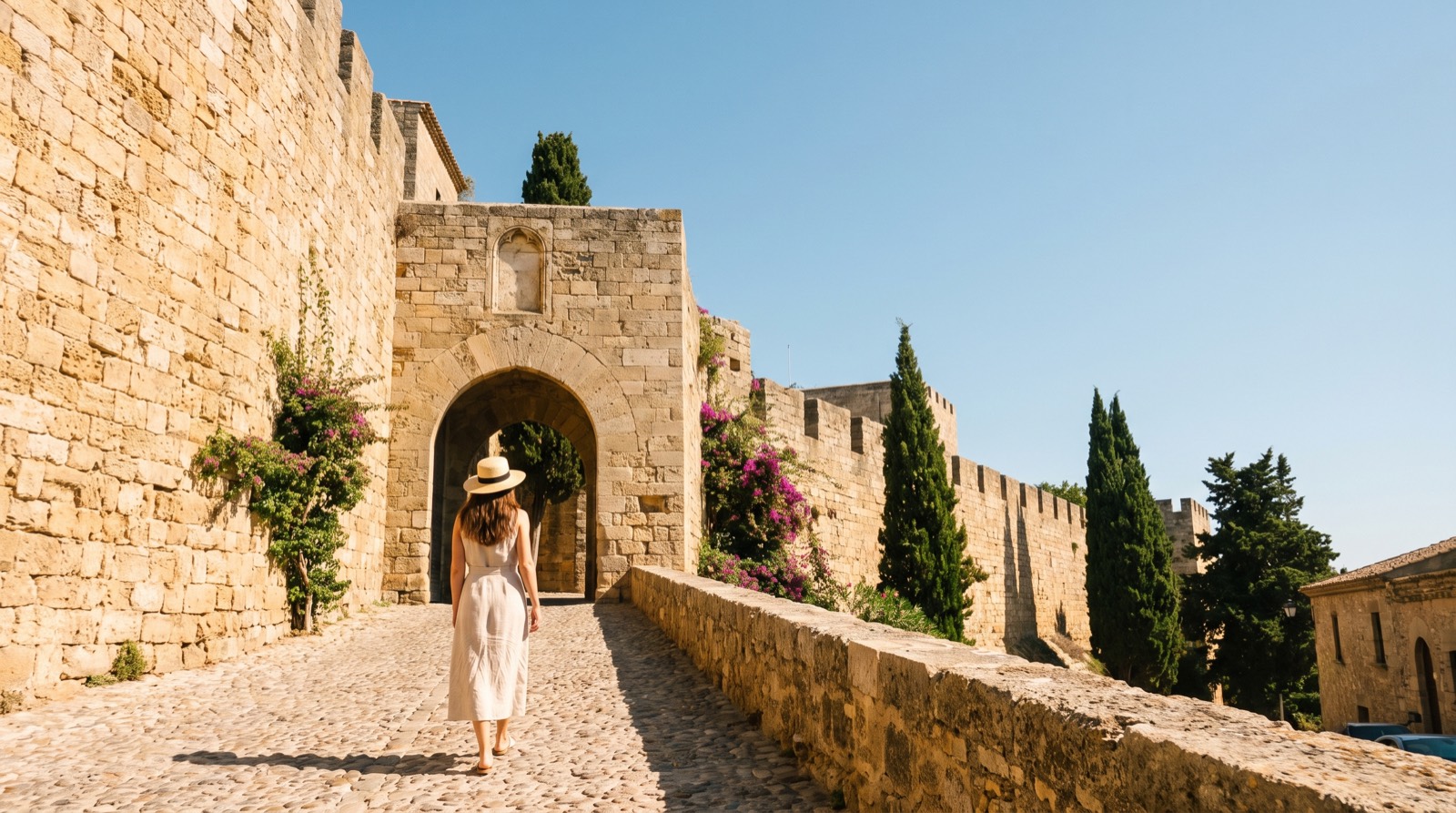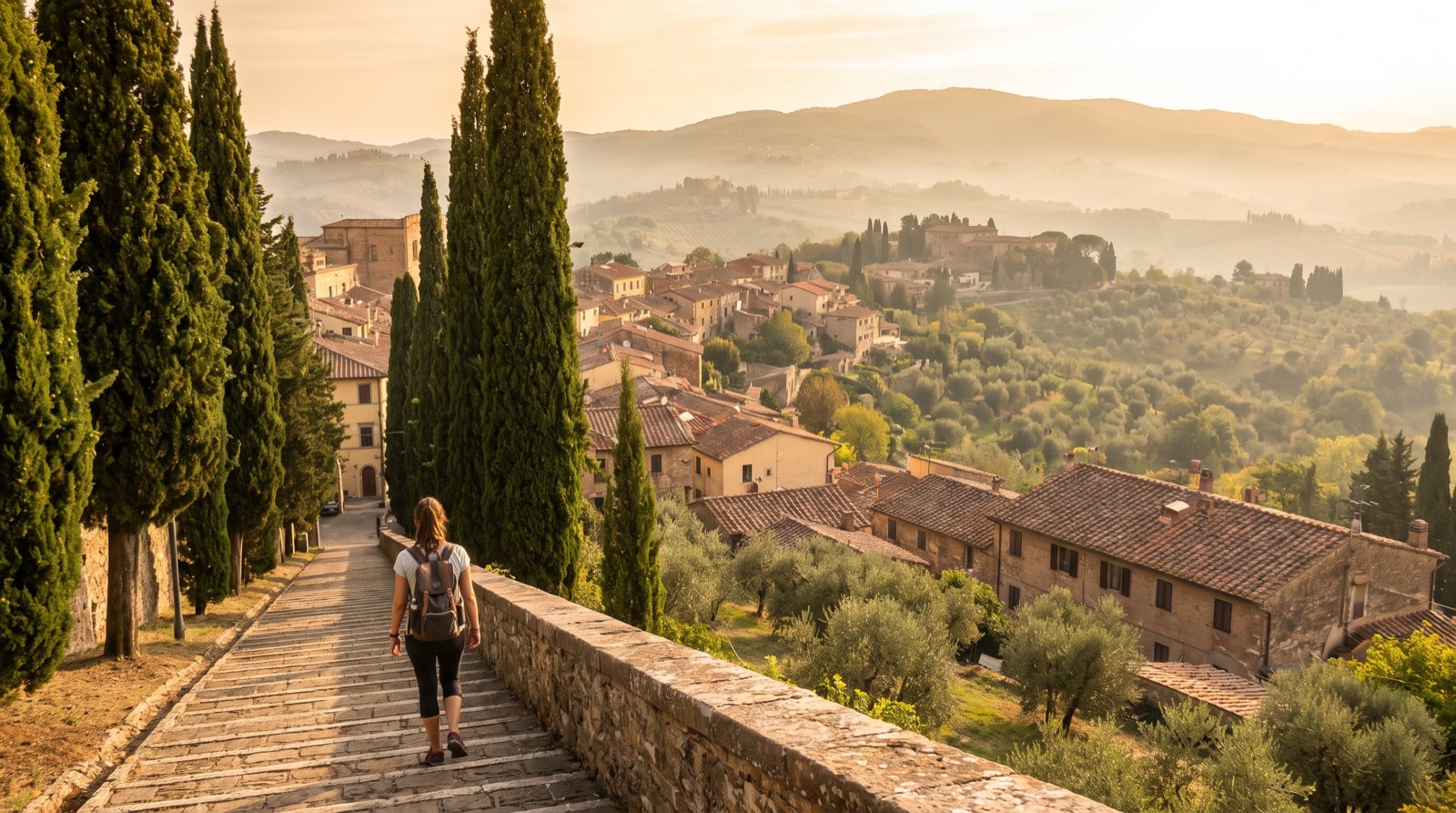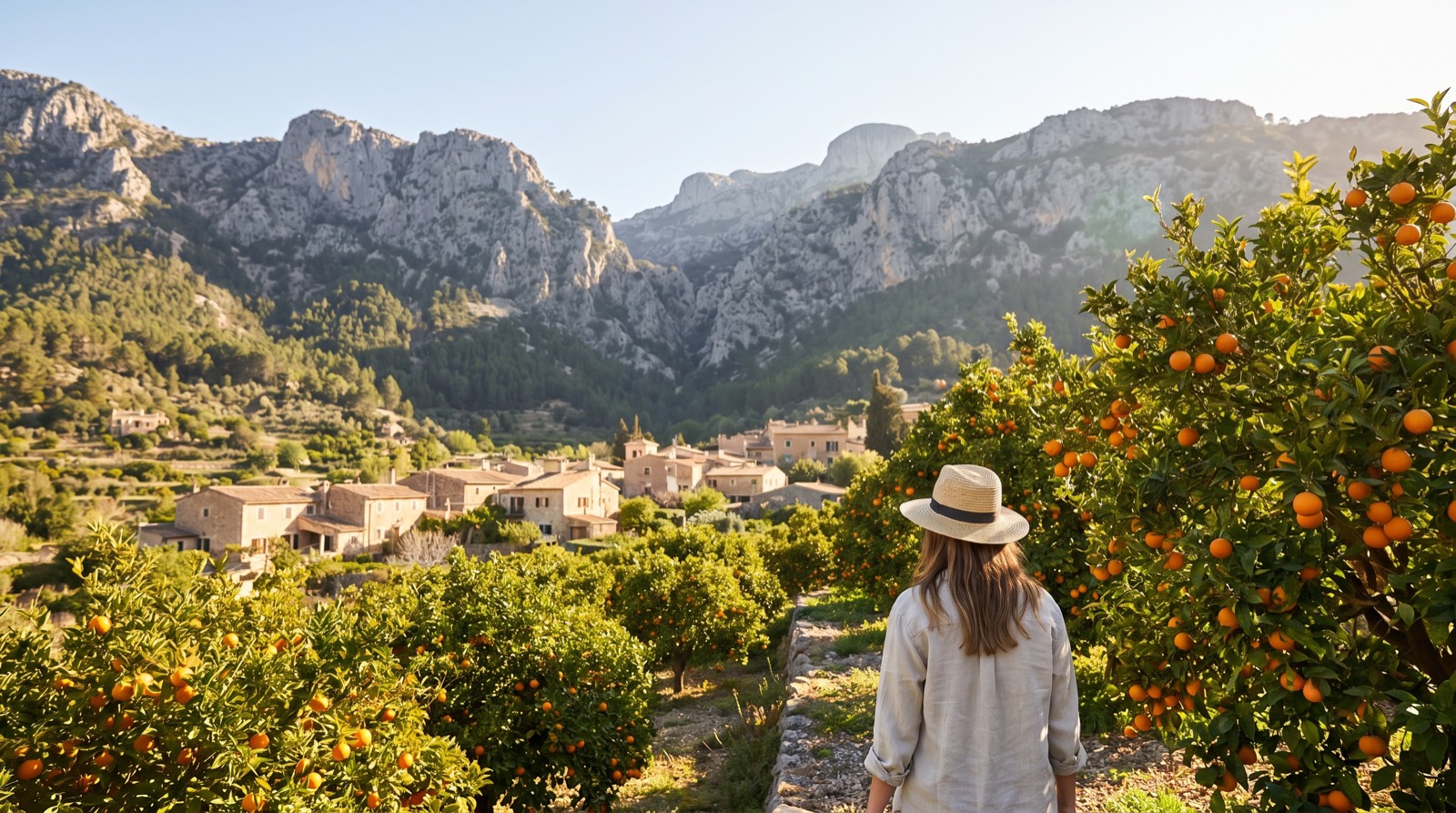
Fornalutx appears on every list of the prettiest village in Spain, and rightly so: the slate stairways, the flower pots, the stone fountains, the orange terraces and the square with its 13th-century church make up one of the most beautifully kept and photogenic old centres in the whole Mediterranean. But before you fall for the photos, it’s worth being clear about what it is and what it isn’t. Fornalutx is a village of around 650 people with no supermarket, no doctor, no school and barely a shop. For all of that there’s Sóller, five minutes away by car. For anyone who understands and accepts that scale, Fornalutx is one of the most singular places to live on the island. For anyone who needs more services and more life on their doorstep, Sóller itself is the logical alternative, and it’s literally next door.
Set in the Sóller valley, climbing the slope of the Serra de Tramuntana a little higher than its neighbour, Fornalutx is surrounded by terraces of orange and lemon trees, woodland and mountain that turn especially beautiful in spring. It’s a municipality in its own right, small but with a great deal of character, and home to a community of residents from all over Europe who chose this corner precisely for its scale and its quiet.
The honest truth
What it's really like: beauty and total dependence on Sóller
Let’s say it plainly: Fornalutx is a village for people who can live with very little infrastructure in the village itself. There is no supermarket, no pharmacy, no doctor, no school, no bank. The village has a small grocery shop and a restaurant or bar or two, but for everything else — the daily shop, the children’s school, the doctor, the bank, the hardware store — you go to Sóller. Happily, Sóller is five minutes away by car, and for everyday life that isn’t really a distance: it’s almost a stroll.
The key to living in Fornalutx is to take on board from the start that Sóller is your service village and Fornalutx is where you live. Anyone who understands that relationship — and fits the scale of Fornalutx — rarely wants to leave. Anyone who expected to find more of a life of its own in the village may feel it falls short for the day-to-day.
The community of residents in Fornalutx is small but very distinctive: a mix of lifelong Mallorcan families, artists and writers, retirees from northern Europe — Germans, Britons, Scandinavians — and remote professionals who chose this corner for its beauty and calm. It’s a village where everyone knows everyone, neighbours greet each other by name and social life is intimate and quiet. There’s not much noise, no clubs, no nightlife. There’s silence, good conversation and landscape.
The old centre
Slate stairways, flower pots and fountains: the beauty of Fornalutx
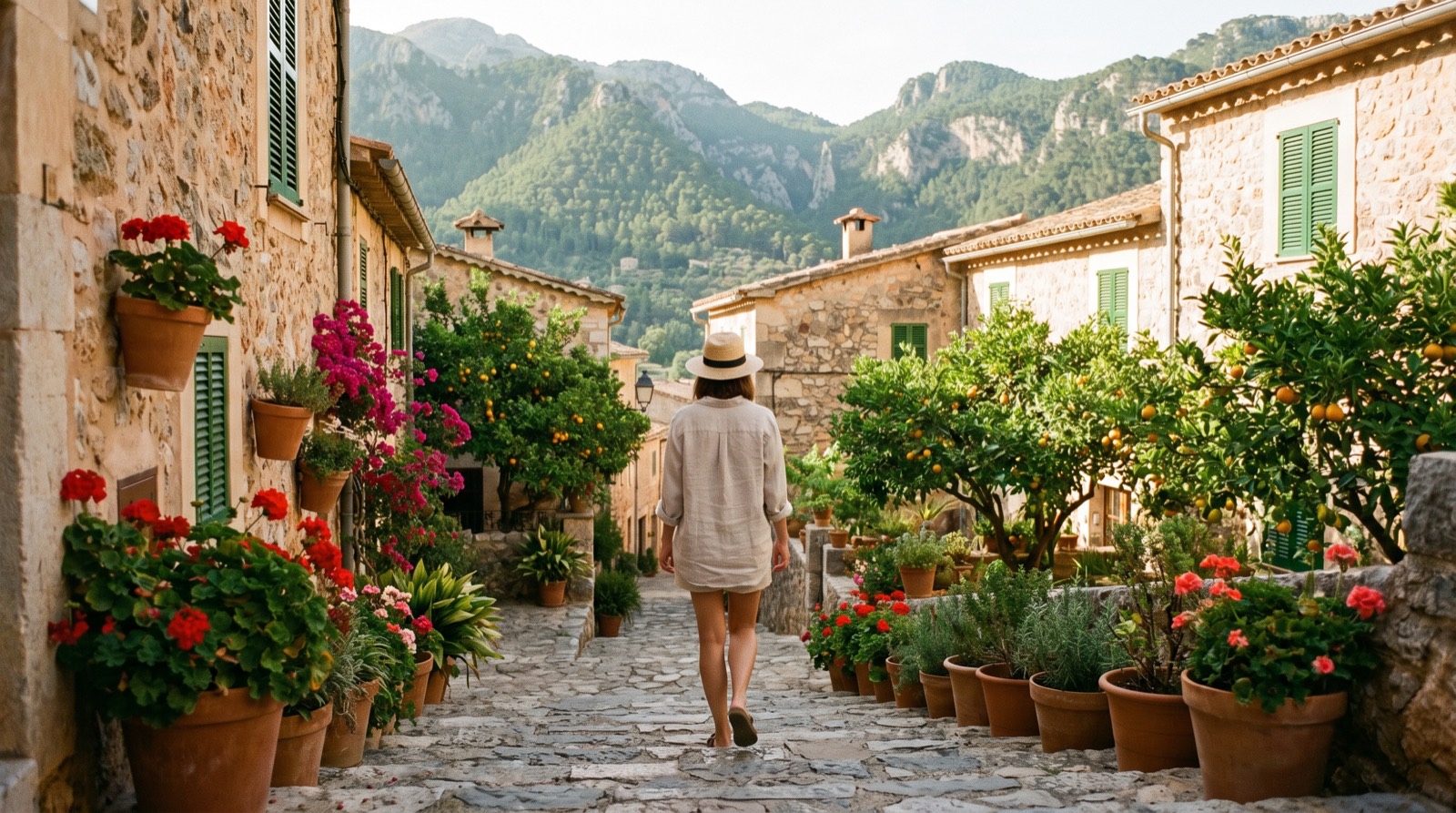
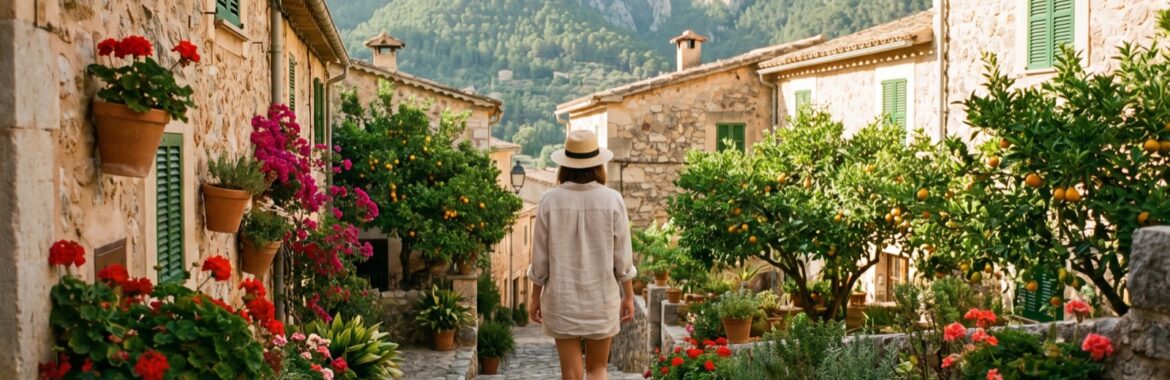
The historic centre of Fornalutx is what has earned it the title of prettiest village in Spain in several rankings and publications. Its streets aren’t conventional streets: they’re stairways of dark slate that climb and descend the slope between honey-coloured stone houses, with flower pots at every turn, stone fountains that have stood in the same spot for centuries, and a care for the public space that is genuinely exemplary. Every façade is in order, every corner has something to look at.
The square with the church of Sant Bartomeu and the town hall is the heart of the village: a small, well-proportioned square, with the 13th-century church presiding over the space and plane trees that give shade in summer. The rhythm of the square changes with the hour and the season: sometimes there are only cats and silence, sometimes it’s full of neighbours catching the sun on a January bench. That intimate scale is part of the charm.
The village itself can be walked from end to end in ten minutes, which gives you a sense of its size. But those ten minutes are full of detail: a fountain, a chapel, a view between two houses that opens onto the valley, a lemon tree peeking over a wall. Fornalutx is a village to be looked at slowly.
The landscape
The orange terraces and the Tramuntana
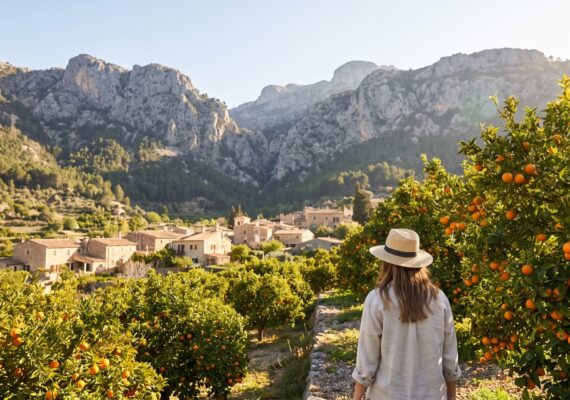
Fornalutx’s immediate setting is that of the orange and lemon terraces of the Sóller valley, the landscape of stepped terraces that has defined the identity of this district since the 19th century. The citrus groves — Sóller oranges have their own denomination and are famous across the island — cover the slope around the village, and in January and February, when they blossom, the scent that fills the valley is the kind you remember for life.
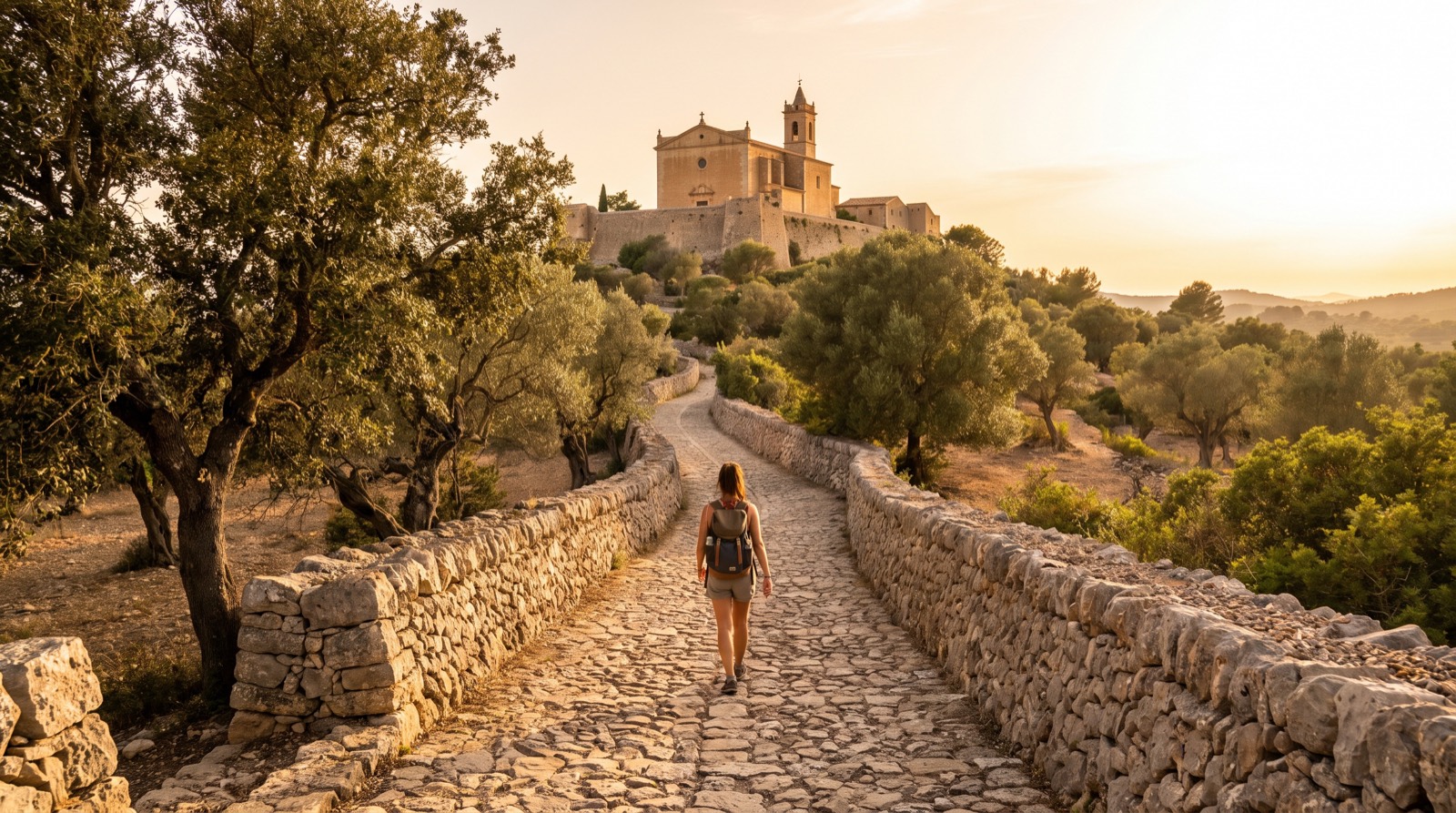
Above the village, the Serra de Tramuntana rises to the summits — Puig Major, the highest on the island, is just a few kilometres away — and from the streets of Fornalutx you can see those walls of rock and forest closing off the valley. They lie fully within the mountain range. The paths that leave the village towards the mountain lead to some of the most spectacular landscapes in the Tramuntana: ravines, viewpoints, centuries-old stone tracks among holm oaks and carob trees.
The climate
Cool in summer, cold in winter
Fornalutx sits a little higher than Sóller, and the difference in temperature is noticeable, especially in summer: while the rest of the island swelters, the valley always has a cool breeze and the nights in Fornalutx are very pleasant. That microclimate is one of the draws for northern European residents looking to escape the heat. In winter, though, the village can be quite cold: frosts are possible, rain is more frequent than in the south of the island, and there are days of low mist that wrap around the valley and give it a very particular character, though it can also feel intense. It’s not an extreme climate, but it is noticeably cooler and damper than Palma or the southeast.
Logistics
Connections: Sóller 5 min, airport 35-40 min
Fornalutx’s logistics are largely those of Sóller, which is five minutes away by car along a short road climbing the slope. From Sóller, Palma airport is around 35-40 minutes via the Sóller tunnel, which cuts through the range in a few minutes and has transformed the valley’s connections with the rest of the island. By the traditional mountain road, the same journey can exceed 60 minutes. The tunnel has a toll, but it’s well worth it for the time saved.
Palma is around 35-40 minutes via the tunnel. For everyday life, Sóller has everything you need and the trip is so short it never feels like an inconvenience. A car is absolutely essential: there’s no practical public transport from Fornalutx for daily life, although Sóller has the famous tram down to the port and the historic train to Palma for special outings.
Where to live
What property is like in Fornalutx
Property in Fornalutx is a very small and very specific market. There are houses in the old centre — slate and stone, with internal staircases and narrow floors that reflect the village’s topography — and properties on the outskirts with land, terraces and views over the valley. Supply is scarce, and demand, in a place with such fame and so little surface area, keeps prices high. Not as high as Deià, but these aren’t the prices of the island’s interior either. What you buy in Fornalutx is scarcity, beauty and a setting of a quality that’s very hard to replicate.
For anyone after a renovation project in an exceptional setting, or a main or second home in the Tramuntana without the extreme price of Deià, the area around Fornalutx and the municipality of Sóller itself have some very interesting options. We know the valley well and can point you in the right direction.
Common questions
Frequently asked questions about living in Fornalutx
Does Fornalutx have the services to live there all year round?
Very few in the village itself: there’s a small grocery shop and a restaurant or two, but for a supermarket, pharmacy, doctor, school, bank or any everyday service you go to Sóller, five minutes away by car. It’s a total dependence on Sóller for daily life, though the distance is so short that anyone who accepts it doesn’t experience it as a real problem.
Why is Fornalutx said to be the prettiest village in Spain?
Because its old centre — slate stairways, stone houses, flower pots, fountains and a square with a 13th-century church — is extraordinarily well kept and coherent. It has won several recognitions of this kind over the years. The beauty is real and visible: it’s one of those villages that looks filtered in photos but is even prettier in person.
What is the climate like in Fornalutx compared with the rest of Mallorca?
Cooler and damper than the island average, both in summer (milder temperatures, very pleasant nights) and in winter (more rain, possible frosts, days of mist in the valley). It’s a microclimate that many northern European residents especially value in summer, but which in winter takes some getting used to if you’re coming from the south of the island.
Is Fornalutx suitable for families with children?
With caveats. The natural setting and the calm are exceptional. But the school is in Sóller (5 min), which means a daily trip. There are no after-school activities in the village itself and the children’s social life is essentially that of Sóller. For families who have already built that journey into their routine and who value the setting above proximity to school, Fornalutx offers a very high quality of life for children. For those who need everything close at hand, Sóller is more practical.
Is there much tourism in Fornalutx?
Yes, but concentrated into certain hours. In high season the old centre receives plenty of visitors around midday — coaches, groups, photographers — but the flow comes and goes quickly. Early in the mornings and from around 4pm, the village returns to its residents. From October to May tourism is very moderate and the village has a peace that is an essential part of its charm. Anyone who lives here learns to coexist with the village’s visibility without it affecting daily life too much.
What’s the difference between living in Fornalutx and living in Sóller?
Sóller has every service, more village life, the train, the tram and a livelier pace. Fornalutx has more silence, more beauty in its old centre and a more sheltered setting, but no services of its own and a far more limited offer of leisure and social life. Those who choose Fornalutx do so knowing Sóller is five minutes away for everyday needs and that, at home, they want what Sóller can’t give: that scale and that silence.
Is it for you?
Is Fornalutx the place you're looking for?
Fornalutx is a perfect fit if you’re after the prettiest village on the island with Sóller five minutes away, don’t mind having no services on your doorstep, work remotely or have a self-sufficient lifestyle, and value silence and intimate scale above active village life. It’s less suited to you if you need services of your own, if you have children and the daily trip to Sóller is a problem, or if you’re after more movement and social life in the village itself. In that case, Sóller has all of that and a setting that’s not bad at all either.
If you can picture yourself living in Fornalutx or in the Sóller valley, write to us: we know the Tramuntana and its surroundings well and would be delighted to help you find your place.