
The short version: the matances are the winter pig days of the Mallorcan countryside: a family and neighborhood gathering, prepared for days, that once stocked the house with food for the whole year and that still ends in sobrassada, botifarrons and a table of winter dishes. The Balearic Government describes them as a tradition deeply rooted in the islands, and in what we see, families of the countryside around Ses Salines and Campos still hold them in winter. This story follows the day from its preparation to the dance at night, told from official sources and from what we see in the south-east; the sausage itself has its own story, on sobrassada and the black pig.
A tradition the Government calls deeply rooted
The Balearic Government speaks of the matances in the present tense. On its food safety page about home pig slaughter, the Servei de Seguretat Alimentària describes the slaughter of pigs and the eating of their meat as traditional activities, widely rooted in the Balearic Islands, with an undoubted social and cultural interest.
The official tourism guide of the Ajuntament de Manacor puts the purpose plainly in its gastronomic guide. The pig was fattened throughout the year for the winter matances, a family tradition and a fiesta that brought together relatives, friends, neighbors and acquaintances who came to help. They were held to give families food for the whole year, and because meat had to be preserved, people developed ways to extend its life, such as mincing, seasoning and maturing.
For an American reader, the nearest picture is the hog butchering day of a farm family in the rural United States: a day of shared work, with relatives and neighbors, that fills the pantry. It is only an image. The Mallorcan matances have their own calendar, their own words and their own dishes, and they are described below as the sources describe them.
The preparation that came first
The Ajuntament de Campos published, in October 2019, a text on the matances, “Feines del camp”, citing a 2008 book by the town’s Associació de Dones Campaneres. Like the other jobs of the year that were done only once, it says, the matances needed long preparation, and the preparation fell to the woman of the house, la madona. She had everything ready for the appointed day: the salting room cleaned, the tools brought out, the mincing and filling machines, the cauldron, pots for water and pots for cooking, plates, cups and aprons for the matancers, and scissors, needles and thread to sew the casings, hang the sobrassades, tie the botifarrons and sew the camallots. The spices, the pepper and the salt were bought beforehand.
The cooking started the day before: rice, a casserole or an aguiat, and sweets such as ensaïmades, orellanes and bunyols. Guests arrived that evening to stay over: younger friends and relatives from elsewhere. People who worked for a daily wage left the job, and the children and their friends left school. In the words of the text, it was a day of fiesta.
From first light, many pairs of hands
According to the same text, everyone got up at dawn on the day of the matances. The work was shared, and so were the small pleasures that went with it: young women went around the groups of workers handing out biscuits and drinks, among them mistela and palo, and later a first tasting of small pieces seasoned with pepper and lemon, with bread, was passed around. The women cleaned and prepared the casings for filling and took charge of the kitchen, with the frits and the meatballs among their dishes. The oldest stirred the lard and watched over the cauldron. The young went out walking in groups, to look for esclata-sangs, the mushrooms of our story on ten things Mallorcans do in winter, and to take presents to the nuns and the neighbors.
The evening ended with supper and a dance. The text adds that some houses did not hold a dance, and the evening went to storytelling and cards instead.
What the matances put in the larder
The Campos text names what was hung and tied that day: sobrassades, botifarrons and camallots. The Manacor guide says that, since sobrassada was the star product, most of the pig went into it. Our story on sobrassada and the black pig covers the protected name, the regulation and the breed; here we stay with the day itself.
The other sausages have their own place. The Balearic tourism site describes botifarrons as Mallorcan blood sausages and lists them, with sobrasada, among the foods people taste around the bonfires of Sant Antoni, on January 16 and 17. The Govern’s agrifood quality institute, IQUA, writes the name of the third one as camaiot, where Campos writes camallots, and calls it a traditional meat product of the Balearic Islands. In a 2023 survey by the Govern’s agrifood quality directorate, reported by IQUA in October 2024, of 1,019 people responsible for buying food, 53.9 percent of the respondents in Mallorca said they buy camaiot at least once a year, and those who buy it do so mainly at markets.
The first dishes of the season
Two dishes carry the season in their names. The tourism site explains that the frit mallorquí is a dish with a long history, a recipe it dates to the 14th century and the book Llibre de Sent Soví, and that its name changes with the ingredients: the frit de matances is prepared in the slaughter season with pork, the frit de Pascua with lamb. It adds that you find it in the cellers, the former wineries now turned into restaurants of traditional cooking, especially in Inca, Sineu and Petra. The video above shows it being cooked.
The other is the sopes de matances, which the same site describes as a version of the sopes mallorquines, the island’s soups of bread and vegetables, that contains pieces of meat or pork sausage. How the island’s long meals work is in our guide to meal times and tipping.
Fire, rice and dance
The Ajuntament de Campos also reproduces an older recollection, “Ses matances”, signed Pedro Càffaro Jaume, with La Roqueta, Palma, given as its source. Its author remembers, from his childhood, the matances as the liveliest fiesta of the whole year in the village. A few days earlier the children collected firewood for a large bonfire, and in the evening, as the cooking went on indoors, they lit it in the street and jumped over the flames. The matanceres went around the village inviting people to the dance, and the father took out the violin that had slept all year in a box.
At supper the table filled with relatives and friends around dishes of rice, the arròs de matances, eaten with spoons. Before the meal the grandfather, the oldest at the table, prayed for those who were no longer there, and afterward the dance began. The text ends with the child falling asleep next to his mother. Read together, the two Campos texts describe the same day from two angles: the work in the first, the evening in the second.
In the countryside of Ses Salines and Campos today
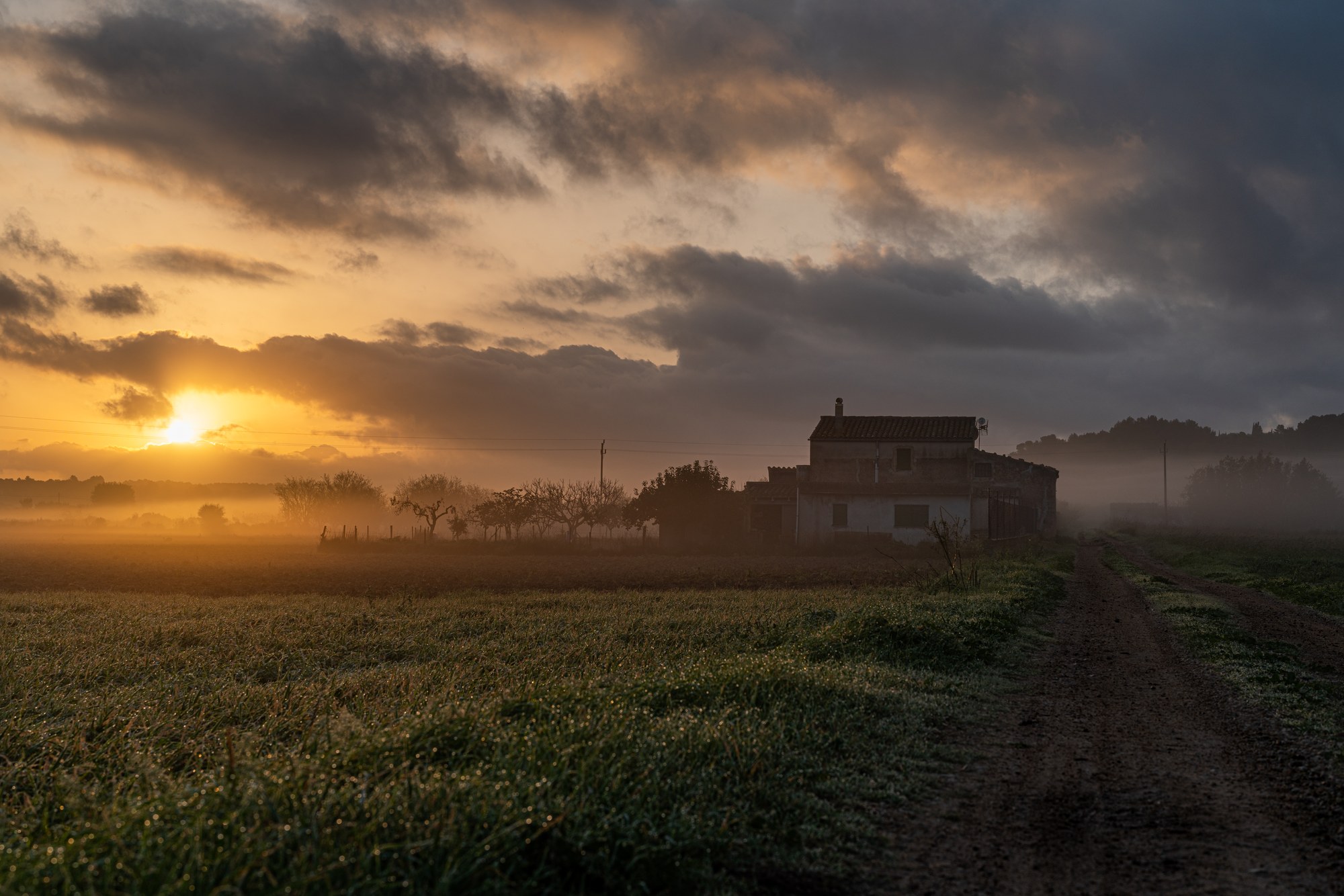
This is the part we can describe from here. In winter, families of the countryside around Ses Salines and Campos still hold their matances, and the season fits the rest of the island’s winter: mushrooms after the rain, the fire lit at home, long lunches in the cellers. The weather and how houses stay warm are in our guide to winter in Mallorca. A matança is a family occasion, as the Manacor guide describes it, and we tell it here the way the official sources do, without taking you through it step by step.
Home pig slaughter is also a regulated activity. The Conselleria de Salut, through its food safety service, has a page dedicated to it, and that is the place to ask. This story does not go into requirements.
What you need to know
What are the matances in Mallorca?
The traditional winter pig days of the Mallorcan countryside, a family and neighborhood gathering that once stocked the house with food for the year, according to the Ajuntament de Manacor’s tourism guide.
Are the matances still held in Mallorca?
The Balearic Government describes them as a tradition widely rooted in the islands. In what we see, families of the countryside around Ses Salines and Campos still hold them in winter.
What foods come out of the matances?
Sobrassada, botifarrons and camallots (written camaiot by IQUA), and season dishes such as the frit de matances and the sopes de matances, according to the Ajuntament de Campos and the official Balearic tourism site.
What happens on the day of the matances?
According to the Ajuntament de Campos, everyone rises at dawn, the work is shared among men, women, elders and the young, and the day ends with supper and a dance.
Who regulates a home matança?
It is a regulated activity. The Conselleria de Salut’s food safety service has an official page on it, and the Conselleria is the place to ask.
Where we work
We work across Mallorca from our base in the south-east, where you can browse homes in Santanyí, homes in Ses Salines and homes in Campos. To compare areas, see our guide on where to live in Mallorca, or contact Villas y Fincas Mallorca and we will answer in English.
Updated October 2026. Descriptions of the matances come from the Ajuntament de Campos (the text “Feines del camp: les matances” and the recollection “Ses matances”), the Ajuntament de Manacor’s tourism guide, the Servei de Seguretat Alimentària of the Govern de les Illes Balears, IQUA and the official Balearic tourism website illesbalears.travel, all consulted in October 2026. The comparison with a rural hog butchering in the United States is only an image. What is described as what we see reflects our own experience in the south-east of Mallorca. This story is for general information only.