Hedilla's landing in a wheat field in 1916, the seaplanes that carried the mail to the port of Palma, the Son Bonet years and the opening of Son Sant Joan in 1960: how Mallorca took to the air, from Aena's official record.


Hedilla's landing in a wheat field in 1916, the seaplanes that carried the mail to the port of Palma, the Son Bonet years and the opening of Son Sant Joan in 1960: how Mallorca took to the air, from Aena's official record.
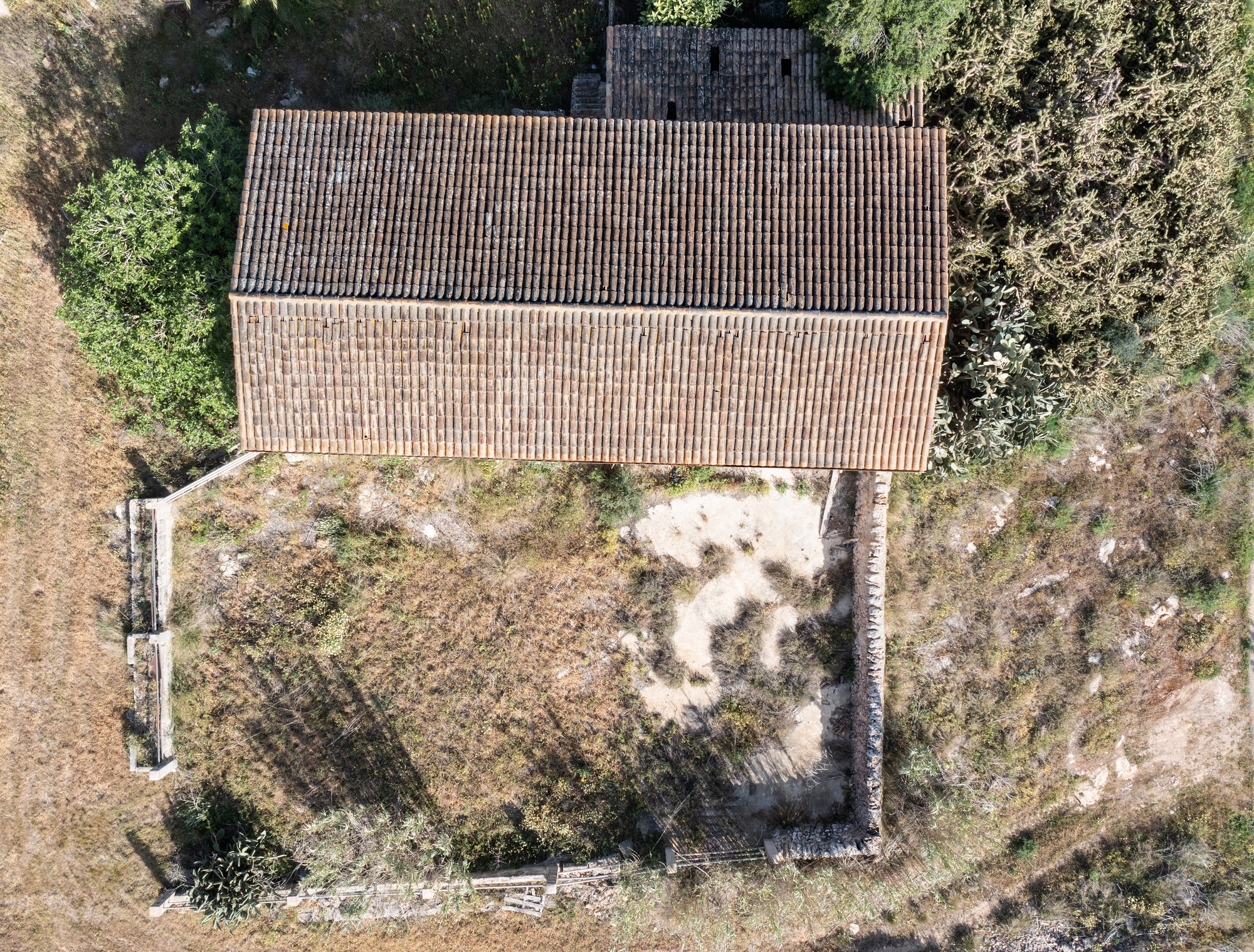
A market town with three market days a week, a neoclassical church, a Franciscan cloister and fairs held since 1546, surrounded by almond and carob farmland and a long south coast: how Llucmajor lives, and who chooses it.
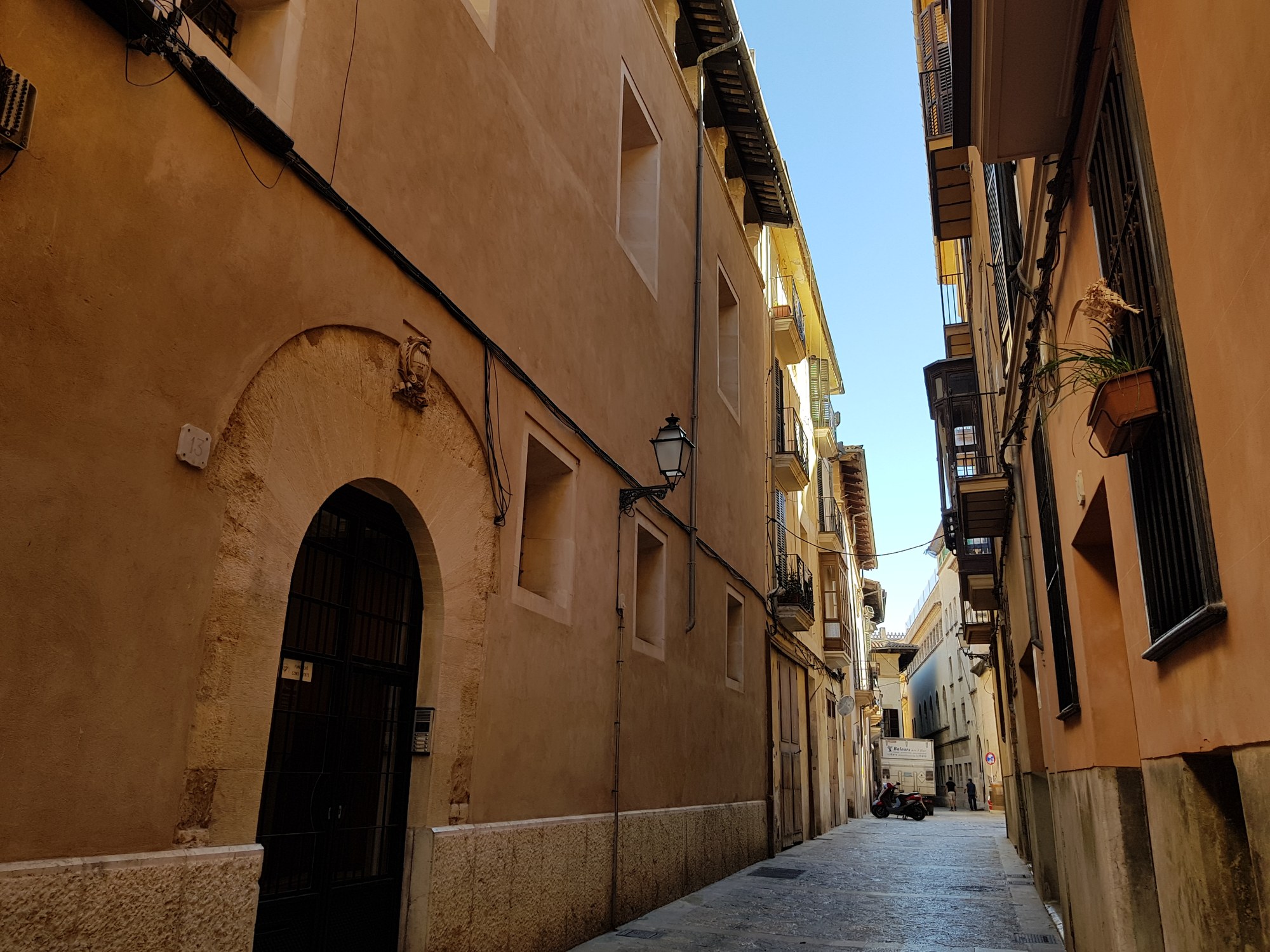
A British detective, a German detective and an island that plays itself: what The Mallorca Files is, how it was filmed in Mallorca, the Palma it is built around and how it reached American screens.
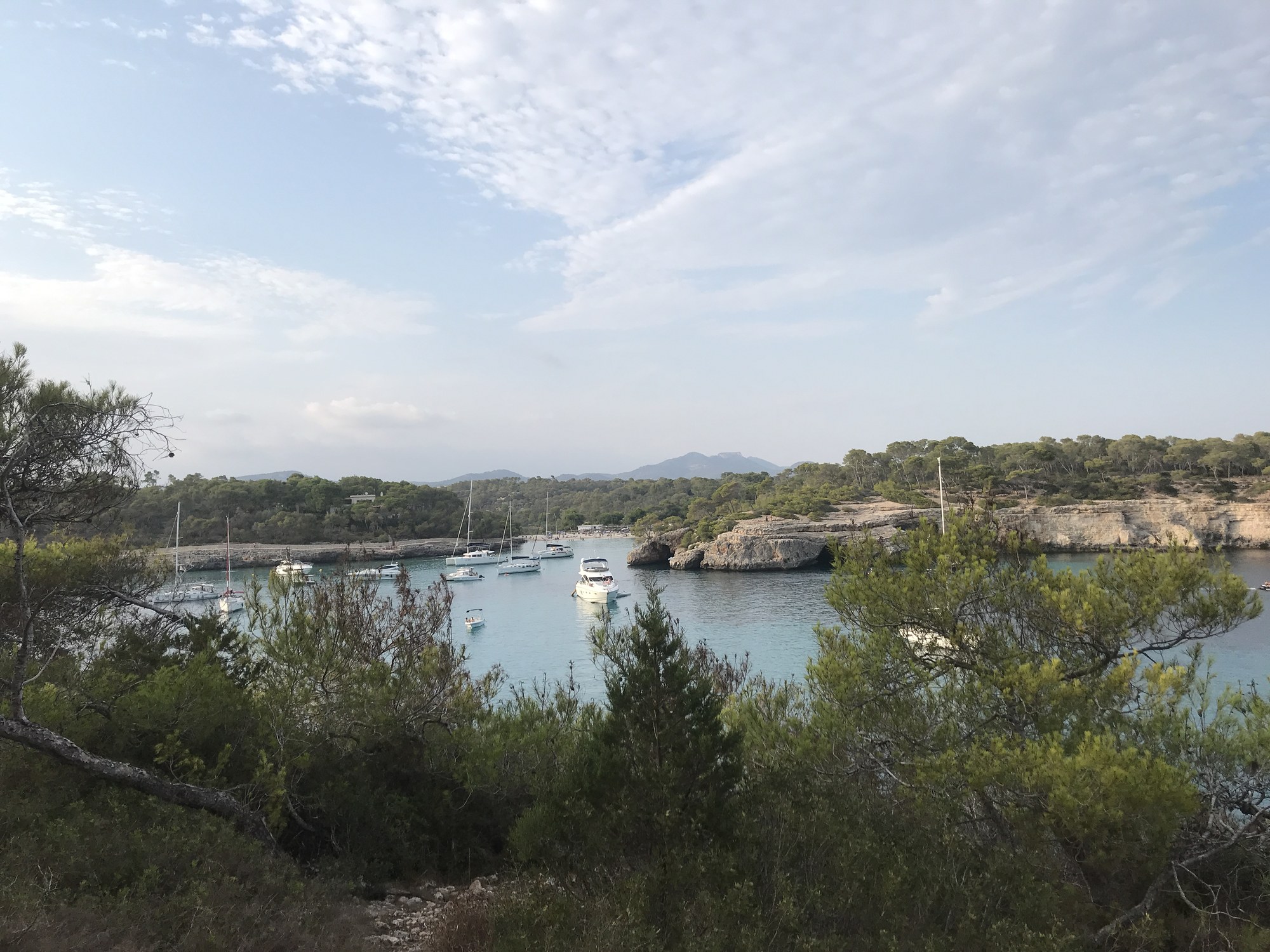
Two sandy beaches inside a protected park on Mallorca's south-east coast: easy Font de n'Alis and wilder s'Amarador, two car parks on different roads, five signposted walks, the park rules and why locals keep it for winter Sundays.
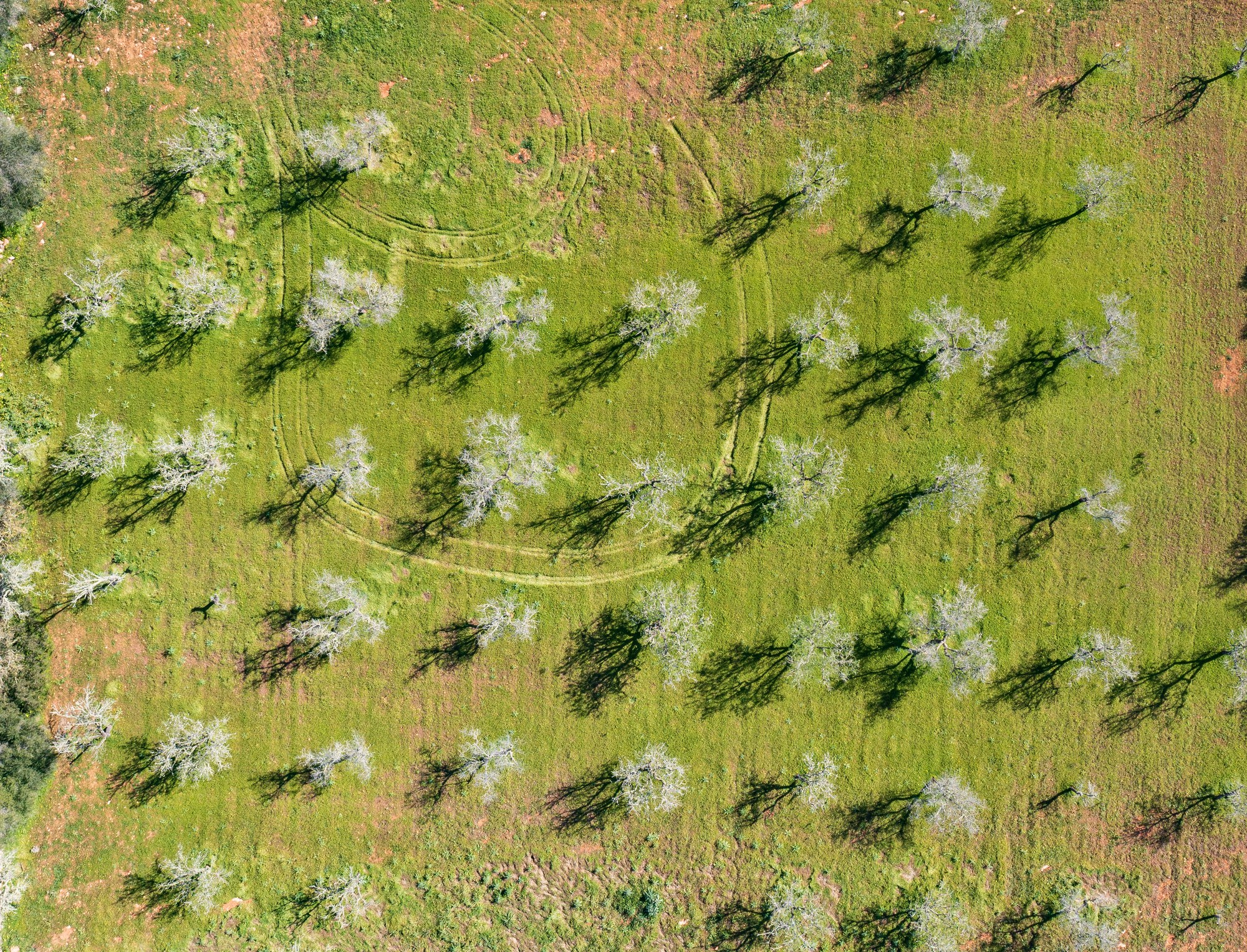
Oli de Mallorca, sobrassada, ensaïmada, pebre bord, the flor de sal of Es Trenc, the island's wines and herbes, siurells, roba de llengües, Manacor's pearls and Inca's shoes: ten things to take home from Mallorca, told from official sources.
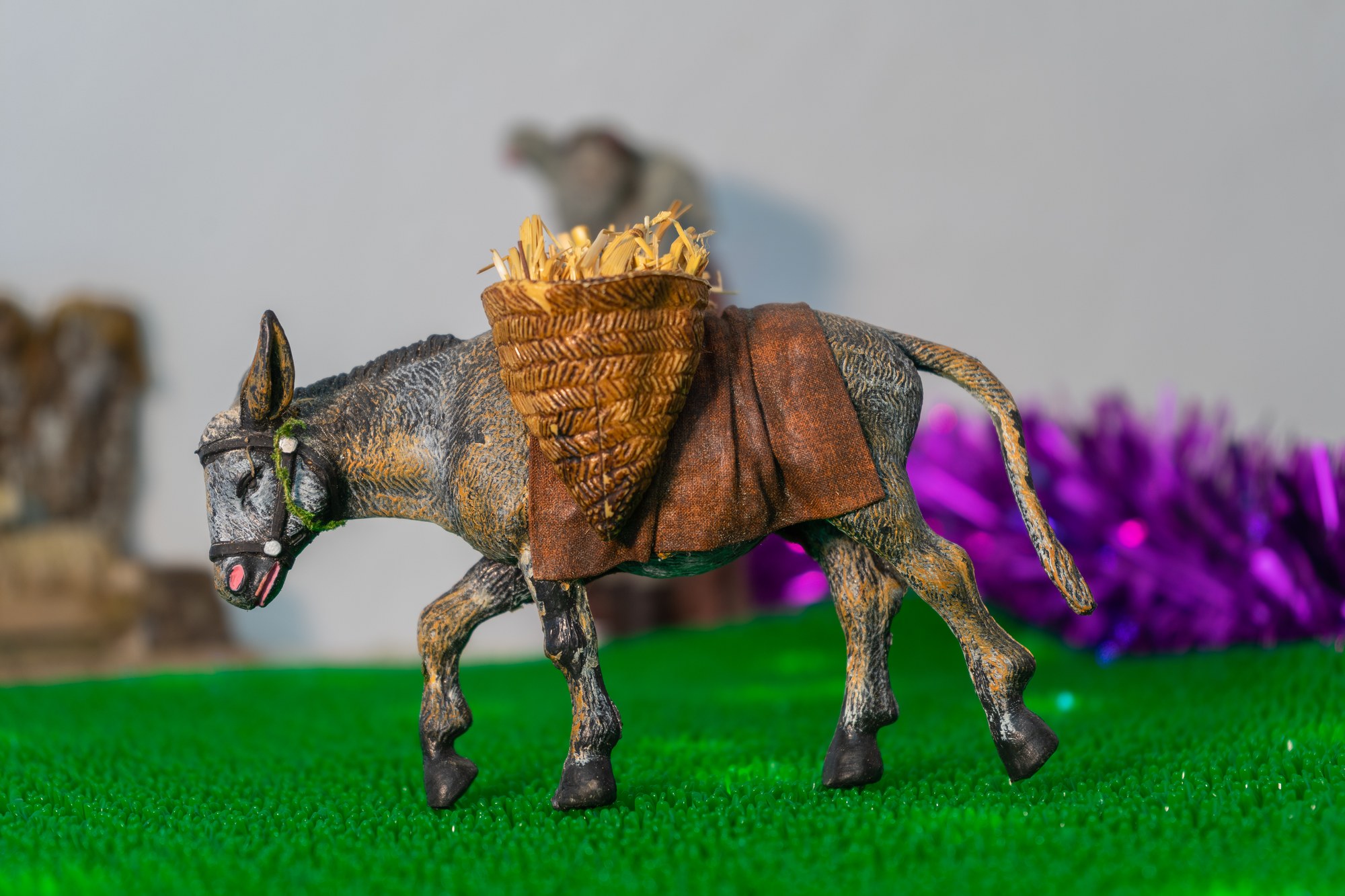
AEMET's December normals for Palma, the three public holidays of December 2026, Palma's Christmas lights, the Song of the Sibyl on Christmas Eve, the end of the season in the south-east and how residents spend the month.
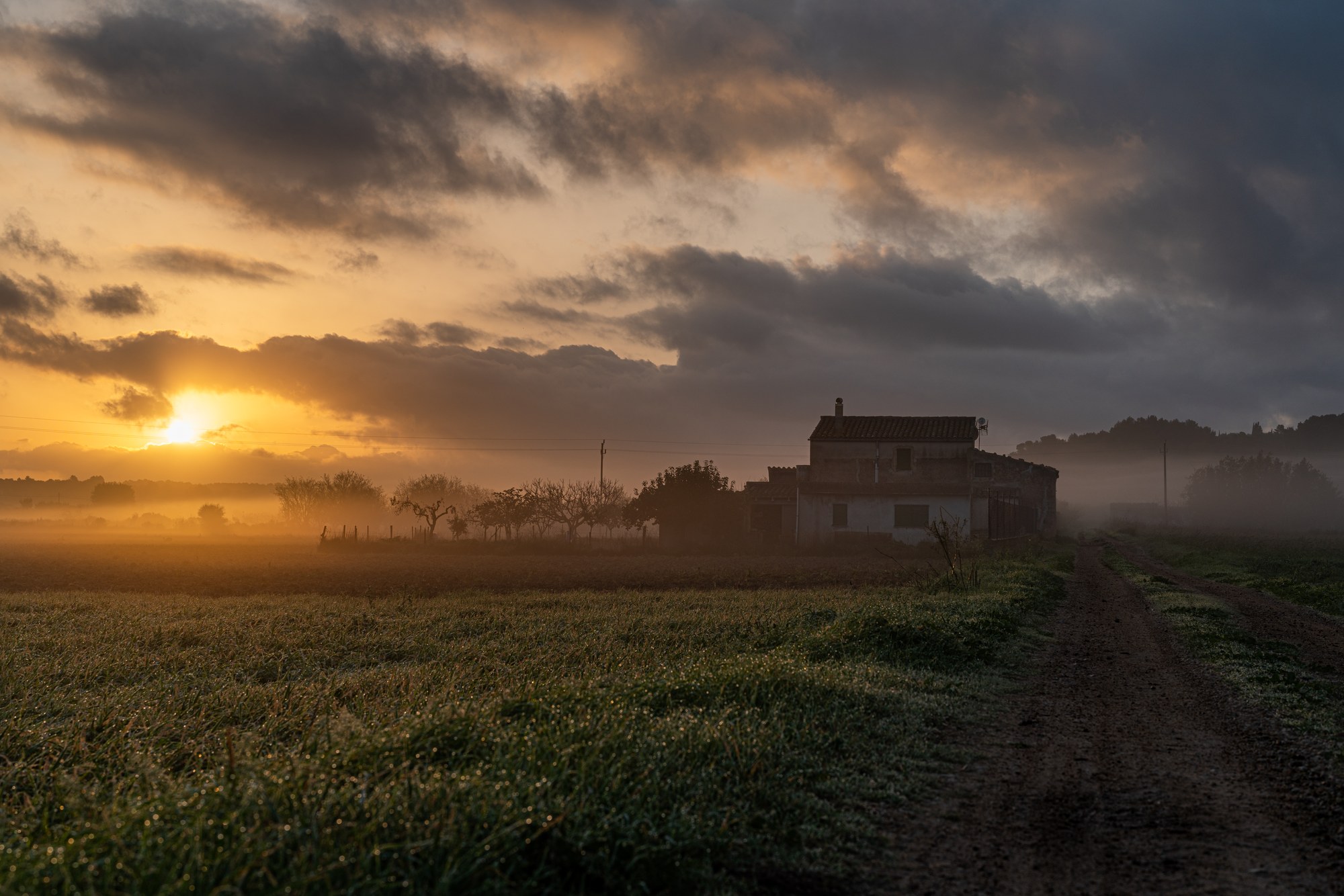
The matances, the family winter pig days of the Mallorcan countryside: the preparation, the shared work, the sausages, the first dishes and the night's dance, told from official sources and from the south-east.
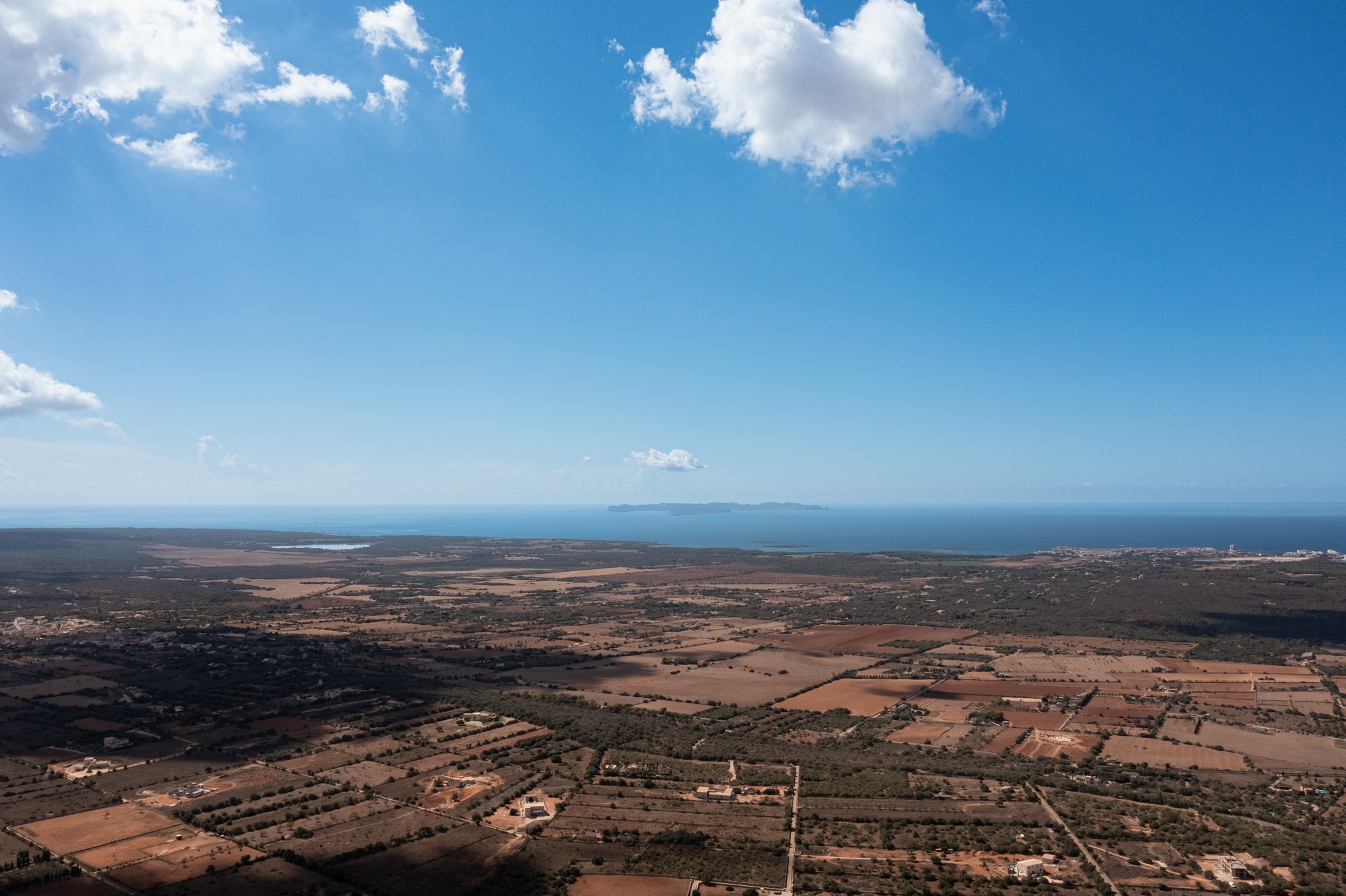
Oli de Mallorca and Oliva de Mallorca, the three varieties, the terraces of the Serra de Tramuntana, the tafones and when the olives are picked: Mallorcan olive oil explained from official sources.
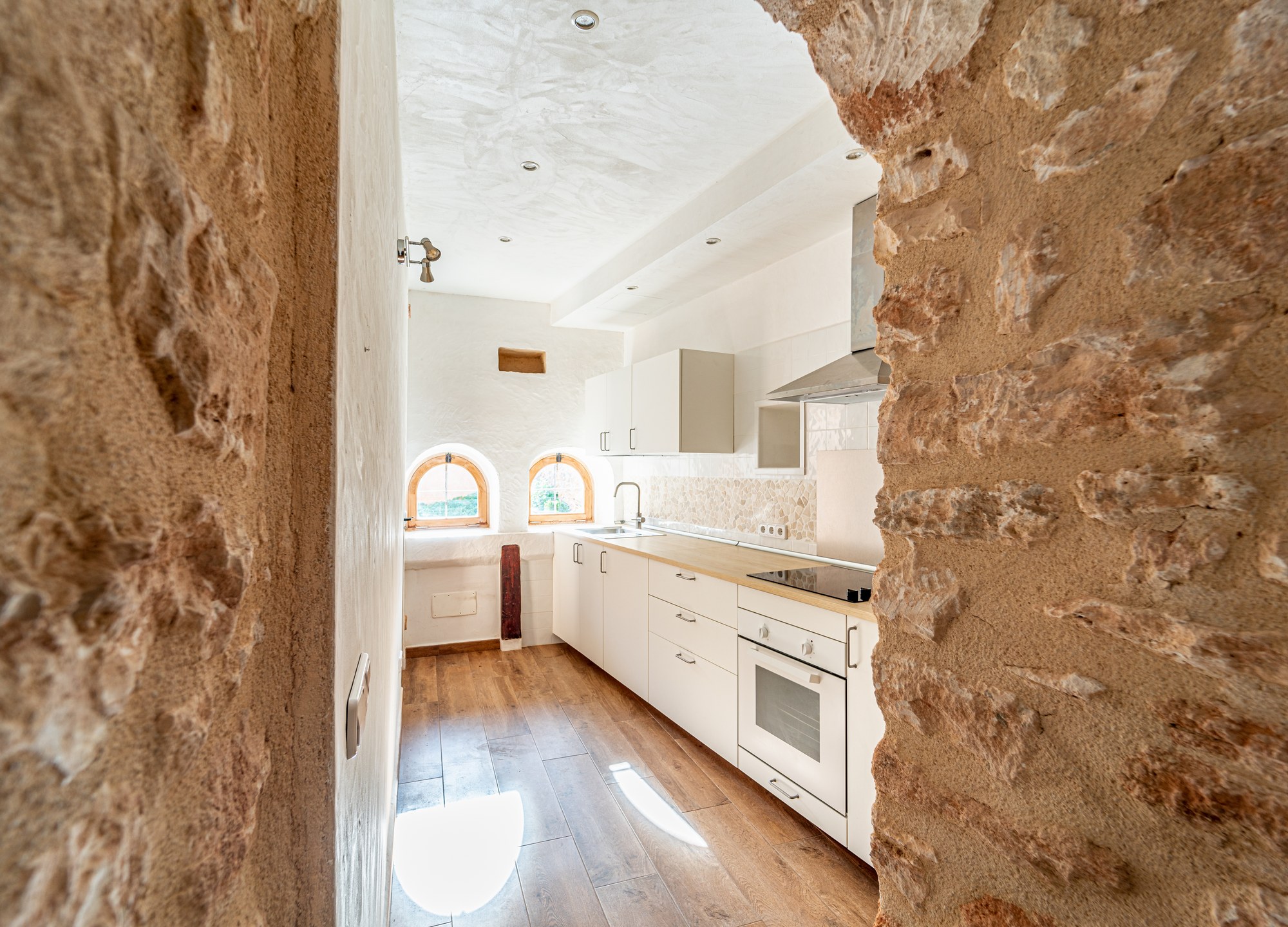
What marès is, where Mallorca quarried it, how the trencadors cut it by hand and how it built Bellver Castle, the cathedral, the Llotja and the village houses of the south-east, told from official and academic sources.
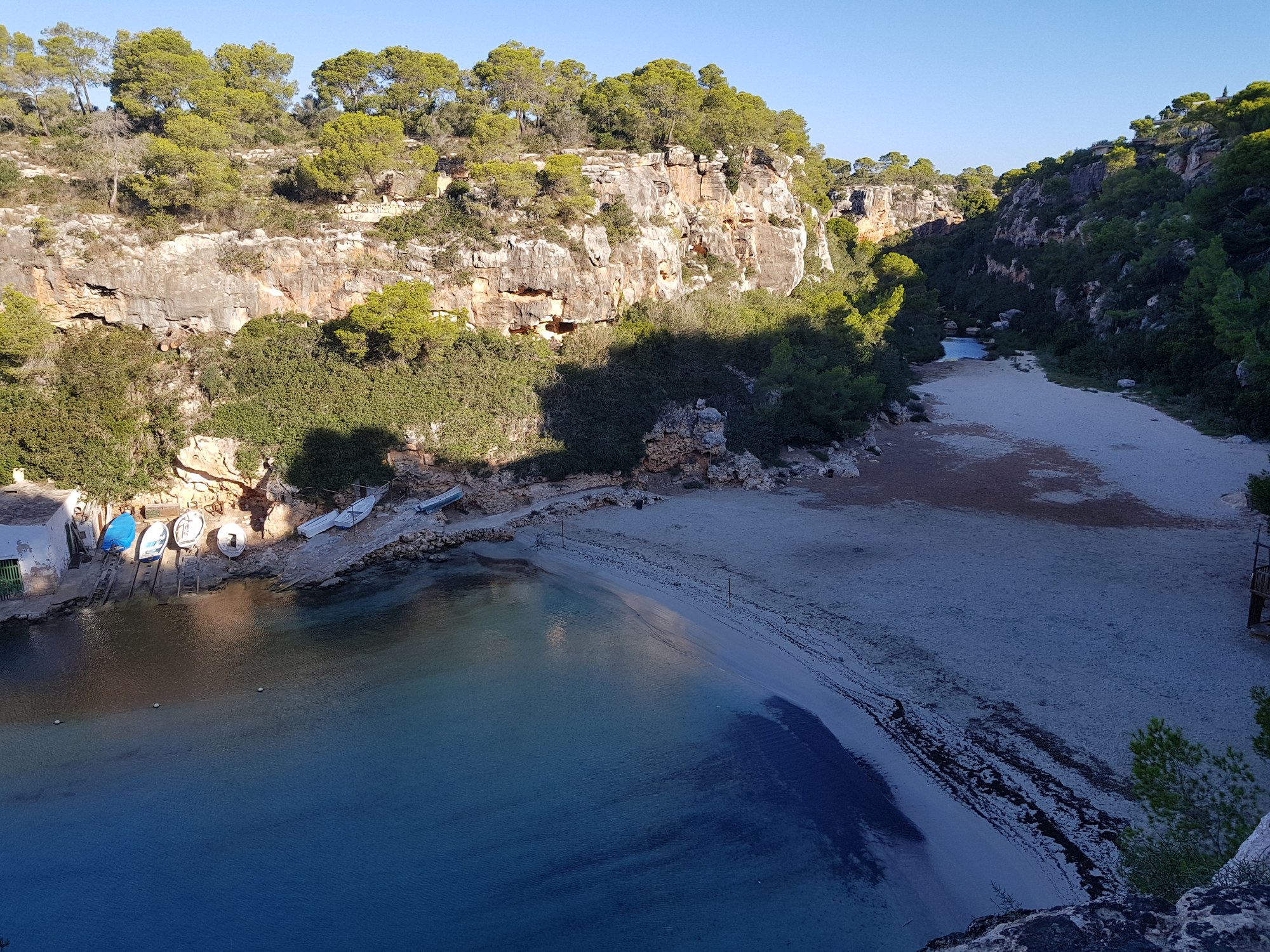
A narrow cove between cliffs on Mallorca's south coast: a staircase down from the residential area, fishermen's boat huts, a watchtower from 1663, the cliff walk to Cap Blanc, and why people who know it go on weekdays.
Compare listings
Compare