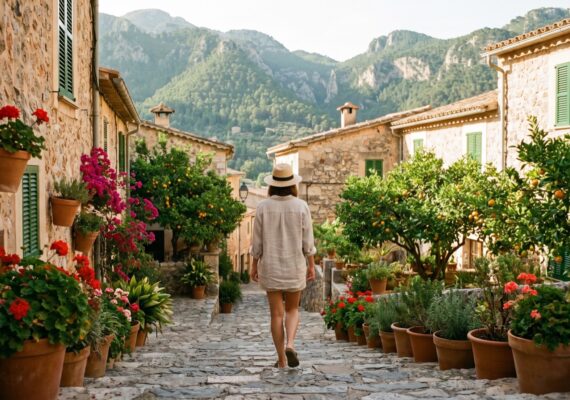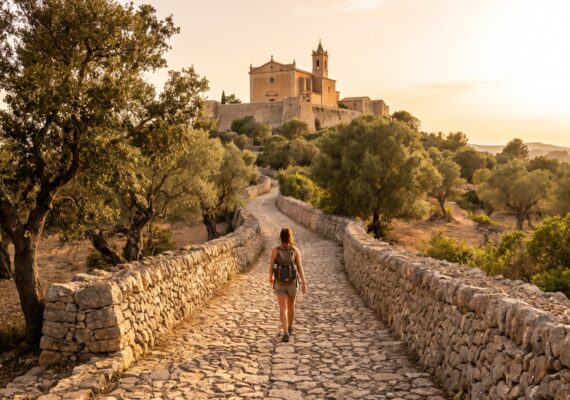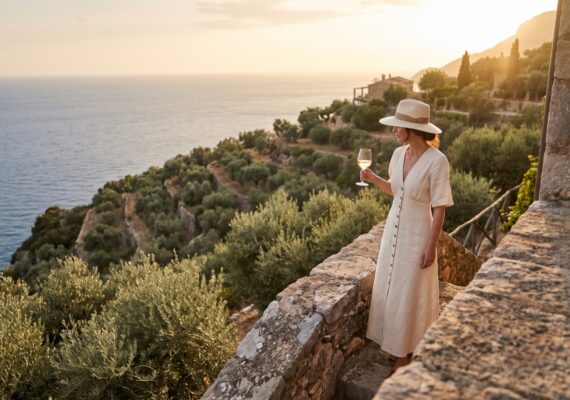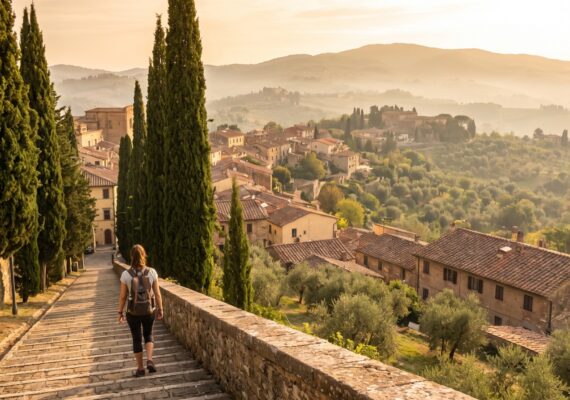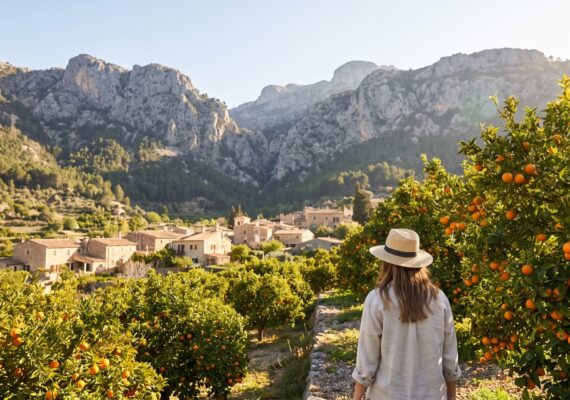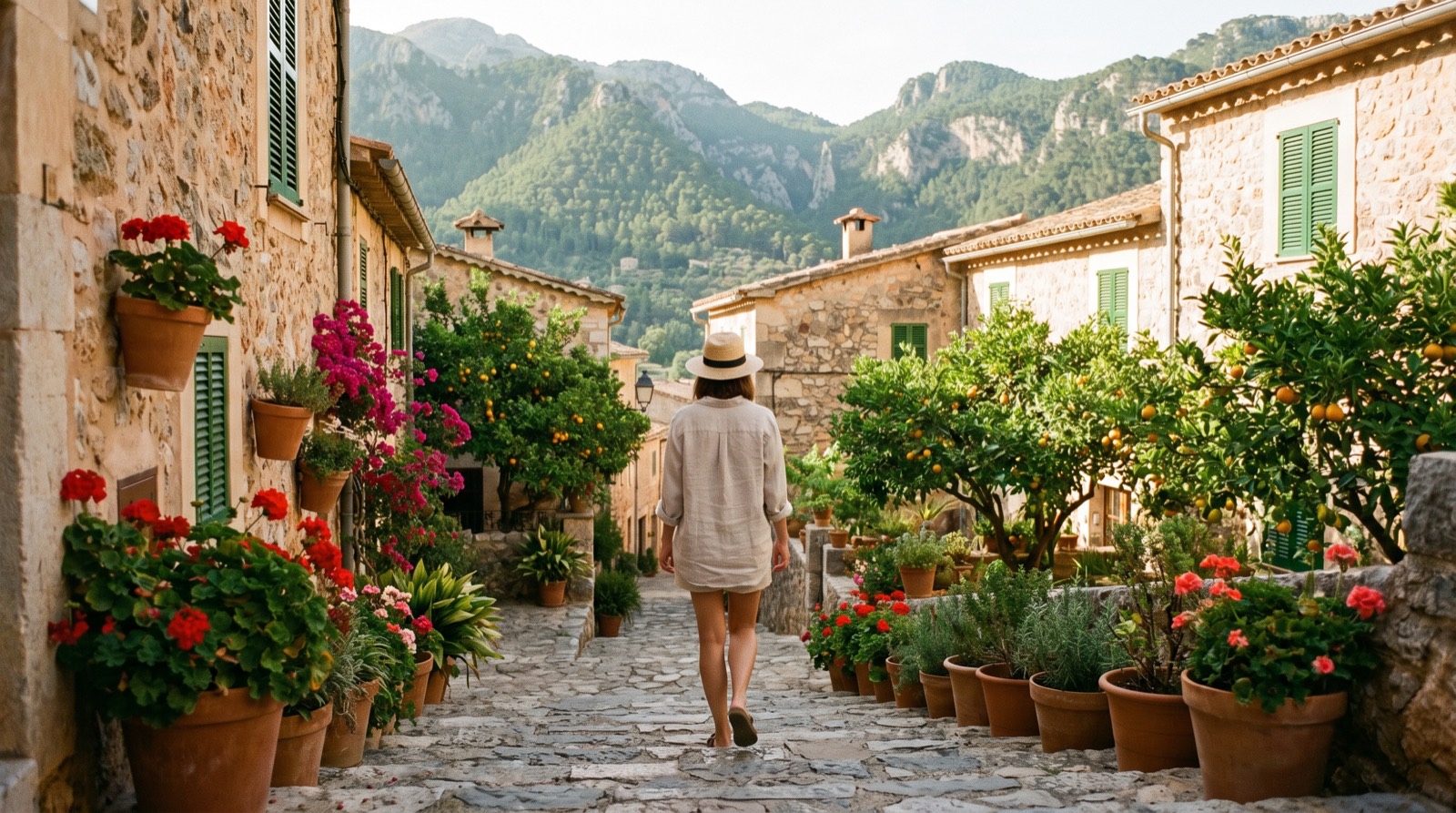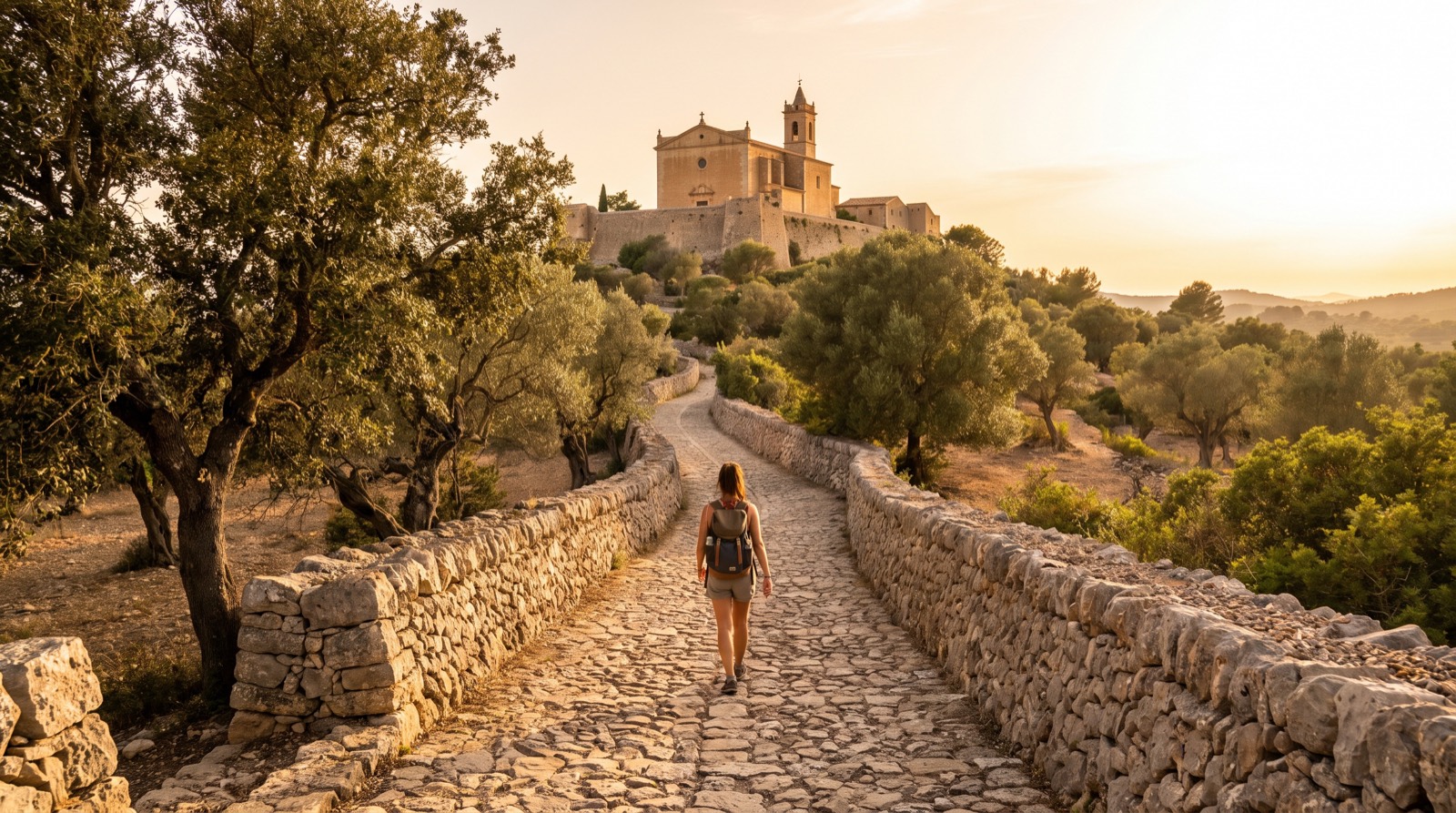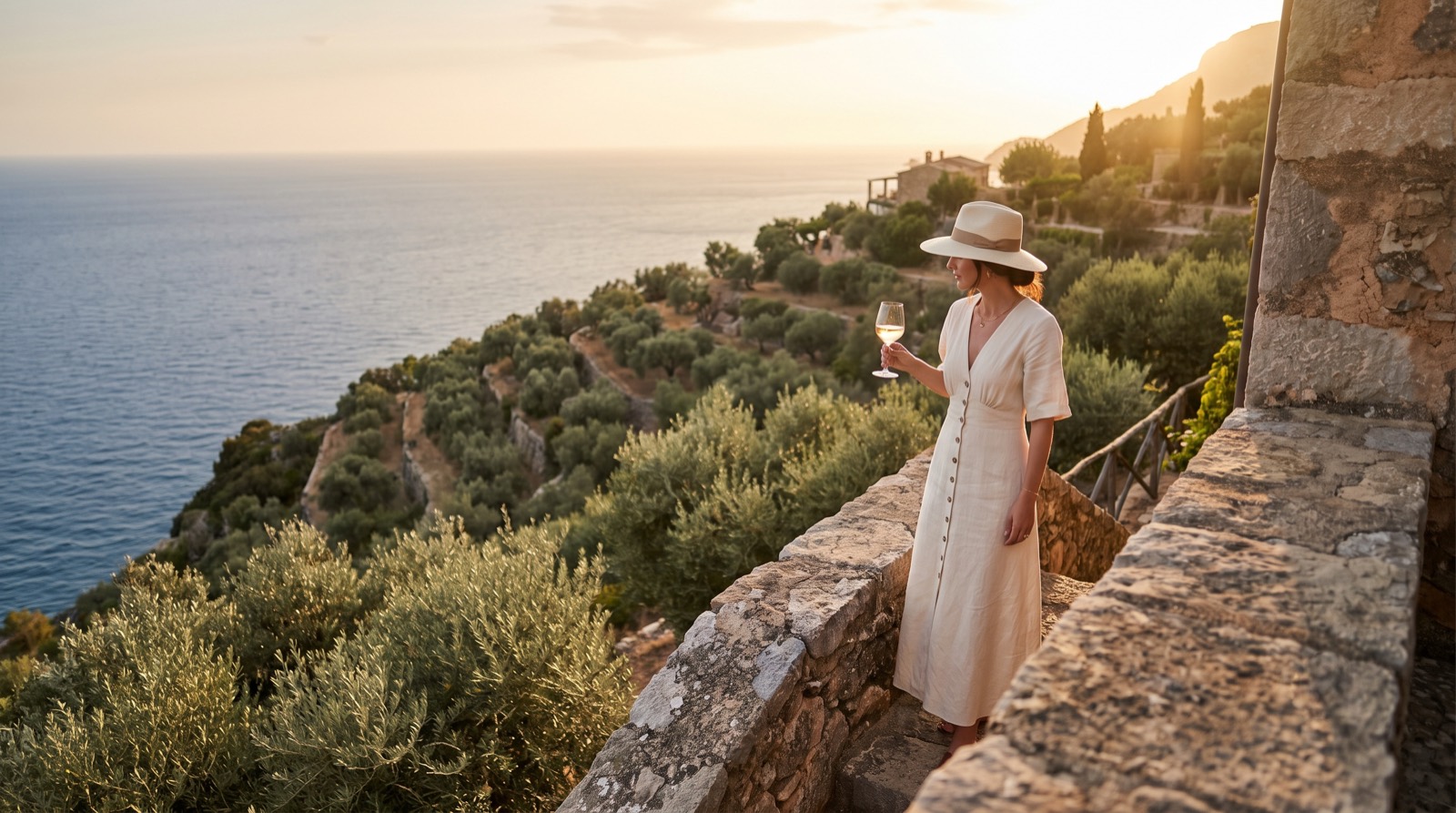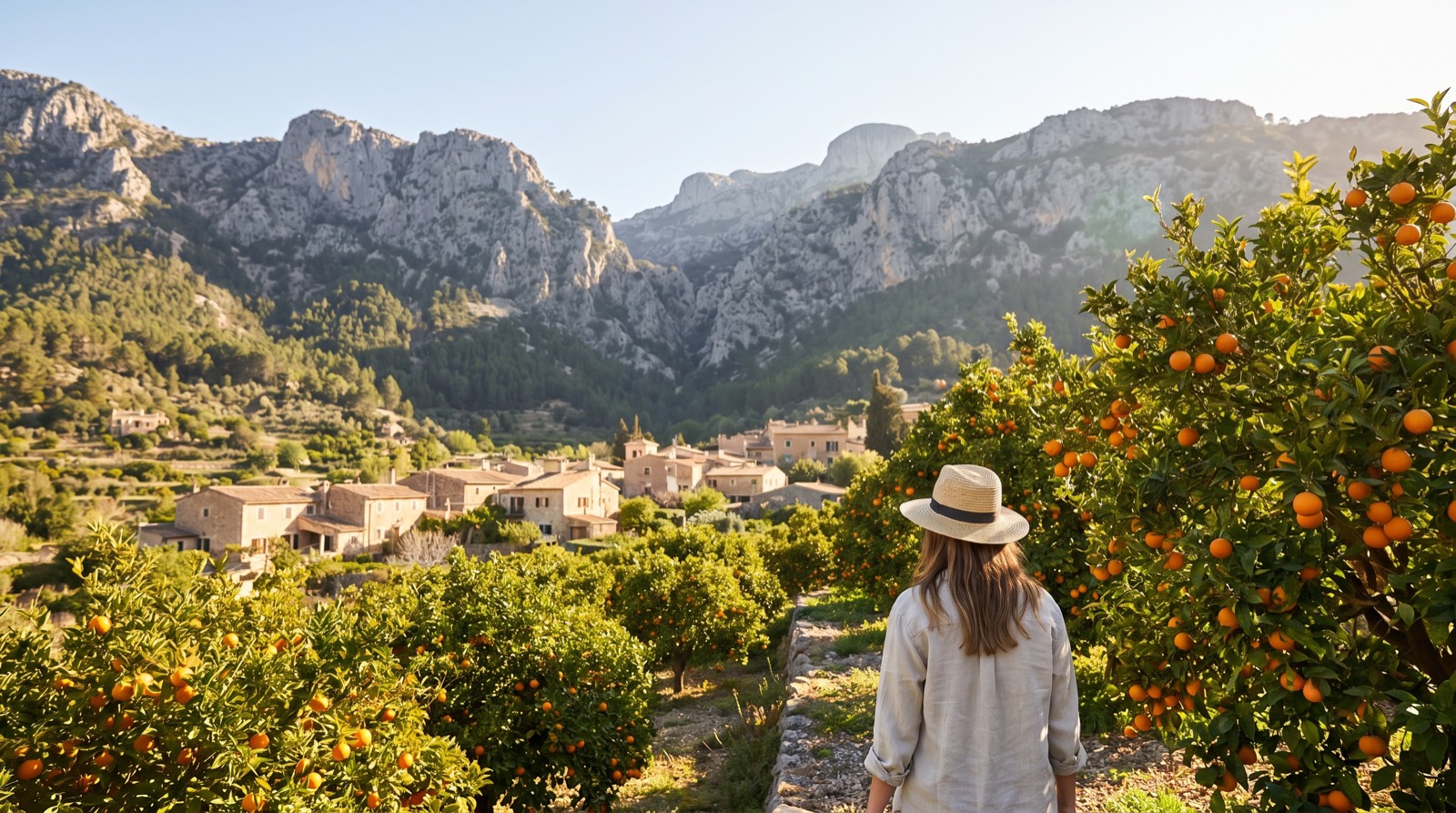
Ses Salines is one of those villages you can’t understand in passing. You have to stay a while — do the shopping on an ordinary Tuesday, have a coffee in the square, and watch how, once summer leaves, the village goes back to belonging to its residents. This is our village — we live and work here all twelve months of the year — so we’ll tell you about it without the postcard gloss: the good, the quiet, and the things worth knowing before you move.
Tucked into the far southeast of Mallorca, between Santanyí and Campos, Ses Salines is small, flat and deeply authentic. It takes its name from the salt flats that surround it — the shallow pans where salt is still harvested and where, at dusk, you’ll see flamingos. This isn’t a village of grand monuments or bustle: it’s a place to live calmly, with the beach and the countryside within easy reach.
Real life
What it's really like to live in Ses Salines all year round
The first thing that surprises newcomers is that Ses Salines works in winter. It has its bakery, its Eroski supermarket, its pharmacy, its shops and its lifelong bars; it isn’t one of those villages that shutters in October. For a big shop, the doctor or more complete services, Santanyí and Campos are ten to fifteen minutes away by car, and both have a weekly market and everything you need day to day.
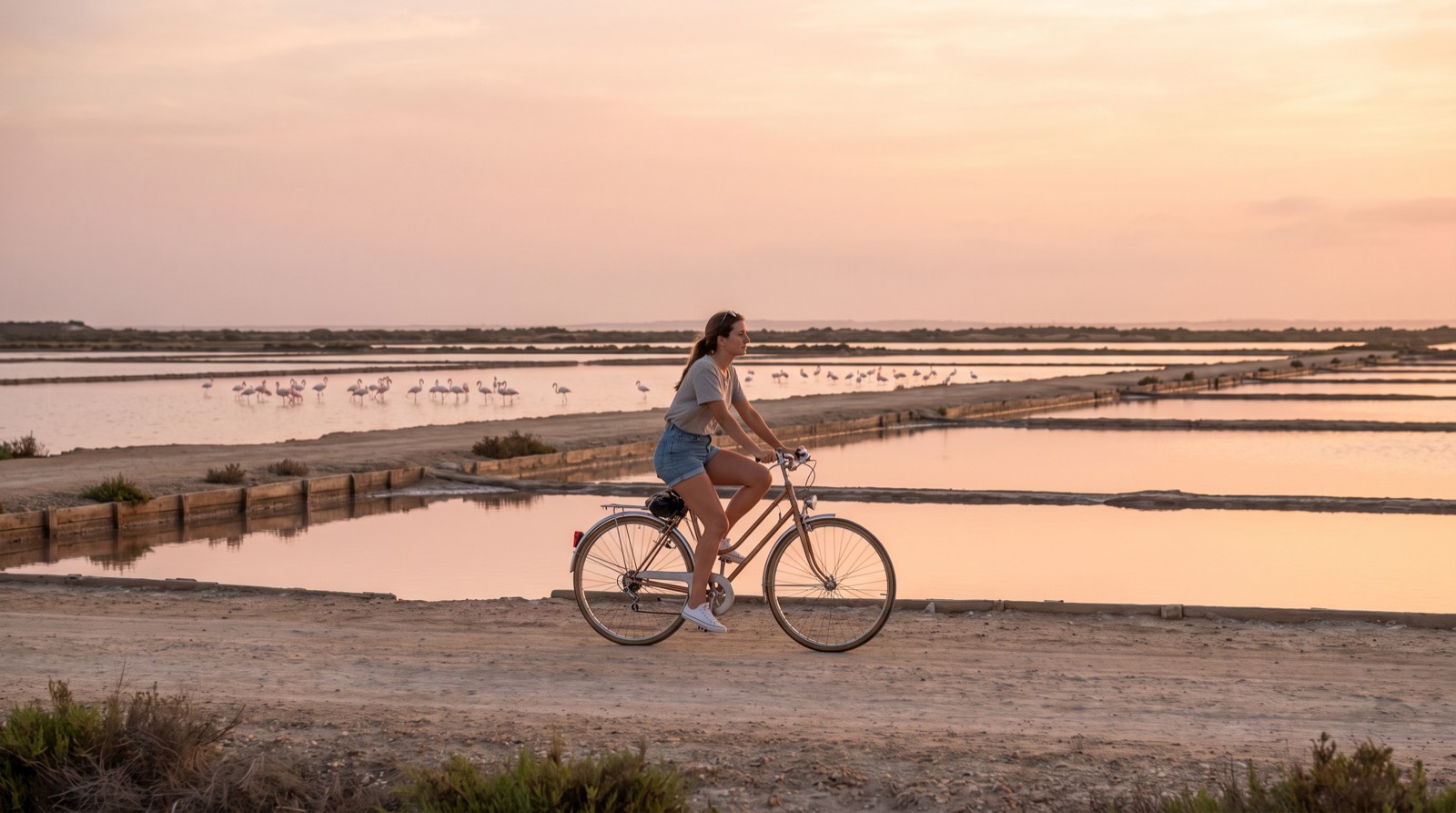
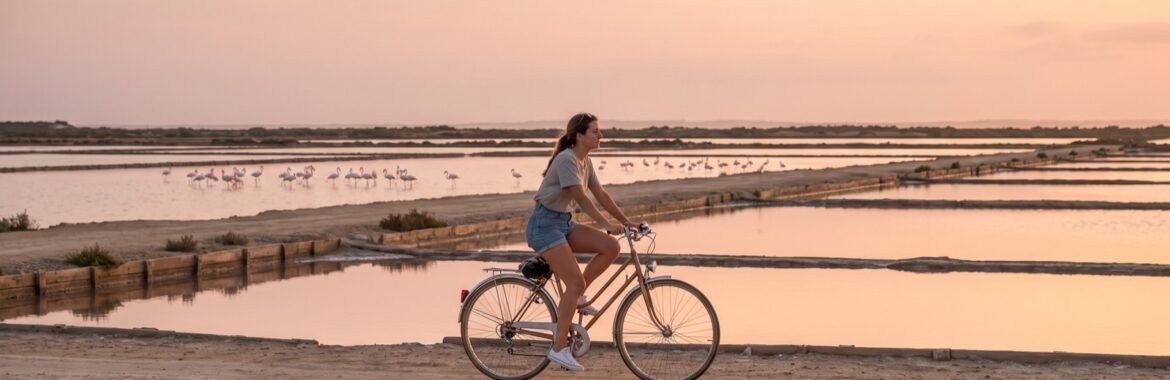
It’s a flat village, which is a real pleasure for getting around the centre on foot or by bike. For most beaches a car comes in handy, because here you don’t live right on the water but inland, in farming country, a short hop from the coast. But there’s one exception that says a lot about life here: a greenway — a cycle-and-pedestrian path — links Ses Salines with the Colònia de Sant Jordi running parallel to the road, shared by cyclists, runners, walkers and e-scooters. In other words, you can get down to the sea without a car. That’s precisely the appeal of the village for anyone after a home rather than a holiday backdrop: inland calm with the Mediterranean a bike ride away.
The atmosphere is that of a real Mallorcan village — lifelong locals, Mallorcan and Spanish spoken in the street, and a community of foreign residents (mostly German and northern European) that has been settled here for years and has managed to integrate without changing the character of the place. This is not a tourist enclave or a holiday development: it’s a village that is genuinely lived in, with its unhurried rhythm, its routines and its familiar faces. For anyone coming to put down roots, that’s worth more than any brochure.
The village shifts gently with the seasons, but it never goes dark. Summer brings a little more movement and new faces; autumn returns it to its usual pace, with long evenings, the countryside in full harvest and the salt flats settling back into calm. Winter and spring are, for those who live here, the favourite seasons: the village uncluttered, the southeastern light at its best, and that feeling of having the coves and the countryside almost to yourself.
Food
Eating in Ses Salines
For such a small place, the village has a food scene that much bigger towns would envy. Its great emblem is Bodega Barahona – Casa Manolo, an institution since 1945 and a true symbol of Ses Salines, where people travel from far and wide just to eat. It’s one of those places that has shaped the way an entire area eats and entertains, and it holds an unshakeable place in the heart of the village and its residents. Next door, Cassai brings a stylish, contemporary feel, and Can Estarellas has been serving the same honest, traditional cooking for more than twenty years.
This is one of those areas where you eat well without ever needing to drive to Palma, with local produce in the leading role — the region’s flor de sal, vegetables from the nearby market gardens, seafood from the south coast. For the daily shop, the village supermarket covers the essentials, and the markets in Santanyí (Wednesdays and Saturdays) and Campos round things off with fresh, local produce.
Countryside and coast
Nature on your doorstep: salt flats, Es Trenc and the Cap
Here, nature isn’t a day trip — it’s everyday life. Within the village itself is Botanicactus, one of the largest botanical gardens in Europe. About ten minutes away lies Es Trenc, the most famous unspoilt beach in Mallorca, with its white sand and pine groves, and neighbouring Colònia de Sant Jordi, the area’s seaside village, from where boats depart to the Cabrera National Park.
At the Cap de Ses Salines, the southernmost point of the island, stands its lighthouse and one of the skies with the least light pollution in all of Mallorca: a clear night out there is hard to forget. All around you’ll find open countryside, salt flats, paths for walking or cycling, and that low, luminous landscape so characteristic of the southeast.
The village’s own salt flats are home to one of the most iconic sights of the southeast: the flamingos, which frequent the pans for much of the year and, at sunset, offer a scene that still catches you off guard even after years of living here. From these same salt flats comes the prized flor de sal, hand-harvested in summer and one of the best-known products of southeastern Mallorca — an everyday luxury within reach of anyone who lives here.
Logistics
Getting around: connections and distances
One of the great practical advantages of Ses Salines is how well connected it is without being overrun. Palma airport is around 40-45 minutes away by car, and the capital itself a little more. You’re close to the whole southeast — Santanyí, Campos, Colònia de Sant Jordi, Cala Figuera, the Mondragó nature park — and, at the same time, far enough out to have genuine quiet. For anyone moving from abroad who wants to host visitors or come and go easily, it’s a balance that’s hard to beat.
Public transport in Ses Salines, as across the southeast, is limited. For day-to-day life — work, school, errands — a car is practically essential. But for the sea, the greenway that runs to the Colònia de Sant Jordi (and, for the reasonably fit, even as far as Es Trenc) is an alternative the locals value enormously.
Where to live
What property is like in Ses Salines
The character of the village shows in its houses too: traditional marès stone village houses, country houses and country homes in the surrounding farmland, and new-build Mediterranean-style properties that respect the scale of the place. It’s an area prized precisely by those seeking calm, authenticity and proximity to the coast without the premium or the crowds of the seafront.
On price, Ses Salines is generally a little more affordable than Santanyí or the first-line coastal areas, though in recent years demand and prices have risen, especially for country houses and country houses with land. We live and work here, so we know every street, every pocket of the area, and what each property is really like once summer fades.
Common questions
Frequently asked questions about living in Ses Salines
Does Ses Salines have life all year round?
Yes, though at a very different pace from summer. The village keeps its basic services open year-round — supermarket, pharmacy, bakery, bars — and isn’t one of those places that empties out in October. For more complete services such as a health centre, schools or banks, Santanyí (10 min) and Campos (15 min) are very close. In winter the atmosphere is quiet and genuinely pleasant.
Do you need a car to live in Ses Salines?
For day-to-day life, essentially yes. Public transport in the area is limited. But the greenway linking Ses Salines with the Colònia de Sant Jordi (a pedestrian and cycle path alongside the road) lets you reach the sea without a car, and it’s one of the village’s great advantages for anyone who enjoys cycling or running. For work, school and errands, a car is the norm.
How long is it to Palma airport from Ses Salines?
Around 40-45 minutes by car in normal conditions. In summer, at peak times, it can take a little longer. It’s a perfectly reasonable distance for coming and going without it becoming an ordeal. The capital is a bit further, around 55-60 minutes.
Are there schools in Ses Salines?
Ses Salines has a primary school. For secondary education, children go to Santanyí, which has a state secondary school and is 10 minutes away. It’s a manageable distance and the usual arrangement in the villages of the southeast. For private or bilingual education, the options are in Palma.
What are property prices like in Ses Salines?
Ses Salines sits in the mid-to-upper range of the southeast: more affordable than the seafront areas (Cala Figuera, Cala Llombards) or the centre of Santanyí, but with growing demand in recent years. Country houses and country houses with land are in high demand and can reach significant prices. Village houses in the old centre are generally more affordable.
What can a family with children do living in Ses Salines?
Plenty. Es Trenc (10 min), the Colònia de Sant Jordi and all the coves of the southeast are perfect for children. Botanicactus, the Cap de Ses Salines and flamingo-watching are easy, free outings. For more varied sports and cultural activities, Santanyí has a sports centre and after-school programmes. Nature and open-air space are the biggest asset for the families who live here.
Is it for you?
Is Ses Salines the village you're looking for?
Ses Salines is a particularly good fit if you’re looking to live all year round in a quiet, authentic village, with basic services close at hand, good food, and nature — beaches, salt flats, countryside and starry skies — quite literally next door. It’s an excellent choice for families, for those retiring who want quality of life without giving up comfort, and for anyone working remotely who wants quiet with good connections. It’s less suited to those after nightlife or living right on the beach.
If you can picture yourself living here, or simply want us to tell you what Ses Salines is really like in February — not August — get in touch. We live in the area all twelve months of the year and would be delighted to help you find your place.