
Key Takeaway for US Buyers: Suelo Urbano is land zoned for high-density residential development within a town, while Suelo Rústico is highly protected agricultural land. For US buyers, understanding this strict zoning divide is absolutely critical to knowing what you can legally build or renovate on your Mallorca estate.
The two extremes of Spanish zoning
When affluent United States citizens begin scouring the Balearic Islands for the ultimate Mediterranean sanctuary, their architectural dreams must instantly collide with the rigid reality of Spanish urban planning. Unlike many rural areas in the United States where zoning is highly flexible and variances are easily obtained, Spain categorizes every single square meter of land into fiercely protected, unyielding classifications.
The two fundamental classifications you must understand are “Suelo Urbano” (Urban Land) and “Suelo Rústico” (Rustic Land). The exact classification of your targeted property dictates its absolute market value, your legal right to build a swimming pool, your ability to secure a holiday rental license, and the total percentage of the land you are permitted to cover with a physical structure. Purchasing real estate without forensically verifying its specific zoning classification is an invitation to catastrophic financial ruin.
Suelo urbano and the ease of development
Suelo Urbano encompasses the land located within the established perimeters of cities, towns, and legally recognized residential developments (urbanizaciones).
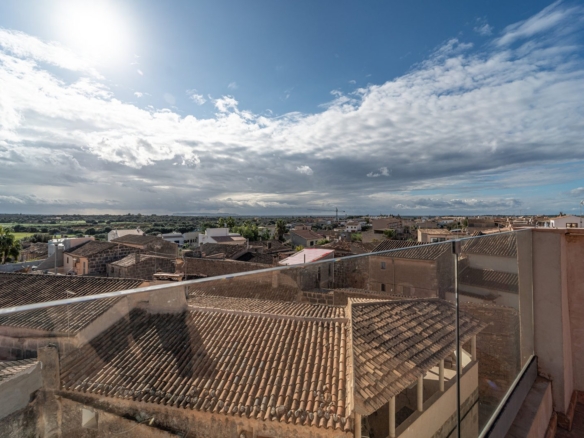
If you purchase a spectacular frontline villa in Cala d’Or or a historic townhouse in the center of Santanyí, you are purchasing on Suelo Urbano. This land is fully integrated into the municipal grid. It already possesses legal access to paved public roads, municipal sewage systems, and federal electricity. Because the infrastructure is already established, the local Town Hall encourages development. On Suelo Urbano, the building regulations are generally much more permissive. You can typically cover a massive percentage of your plot with concrete, build multi-story structures (following local height limits), and secure an “Obra Mayor” (Major Works) building permit relatively quickly, often within six to nine months.
Suelo rústico and the preservation of nature
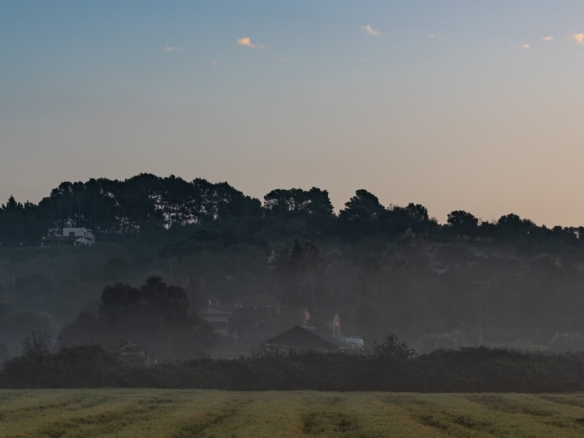
The vast majority of ultra-luxury estates and sprawling historic country houses sought by American buyers are located entirely on “Suelo Rústico.” This is the deep agricultural countryside, encompassing the olive groves, almond orchards, and sweeping plains of the South East.
The Balearic government views Suelo Rústico as a critical ecological and cultural asset, not as a canvas for luxury real estate developers. The fundamental philosophy governing this land is preservation, not urbanization. If you acquire a twenty-acre estate on rustic land, the architectural handcuffs are immense. You are strictly forbidden from connecting to municipal sewage, you must often drill your own well or rely on water trucks, and you must generate your own solar electricity or fight agonizing battles to connect to the Endesa grid.
The extreme scarcity of rustic building licenses
The most critical distinction between the two zones lies in the ability to construct a new home. You cannot simply buy a beautiful, empty plot of Suelo Rústico and build a house.
To legally secure a building permit for a new, single-family dwelling on standard rustic land (Suelo Rústico General), the plot must mathematically exceed a massive minimum threshold, typically 14,000 or 21,000 square meters depending on the specific municipality. Even if your plot meets this requirement, you are only permitted to build on a tiny fraction of it (usually 1% to 2% maximum building volume). Furthermore, if the rustic land carries additional environmental protections—such as an ANEI (Natural Area of Special Interest) designation—building a new residential structure is absolutely, unequivocally prohibited, regardless of how much land you own.
The Villas y Fincas Mallorca angle
We believe that navigating Mediterranean real estate requires a ruthless, data-driven approach to municipal zoning. At Villas y Fincas Mallorca, we completely insulate our United States clients from the devastating consequences of zoning ignorance. Before you ever fall in love with a sprawling rural plot or a historic ruin, our elite architectural partners pull the official municipal master plan (Plan General de Ordenación Urbana). We definitively prove whether the land is Urbano or Rústico, we identify every single hidden environmental protection layer, and we explicitly define exactly what you can legally build, ensuring your millions of euros are deployed into a perfectly secure, mathematically viable Mediterranean asset.
Disclaimer: Legal Disclaimer: The information provided in this article is for educational and informational purposes only and does not constitute urban planning, architectural, or legal advice. Zoning classifications are strictly governed by municipal Town Halls and regional Balearic laws. Villas y Fincas Mallorca strongly advises retaining a licensed local architect before executing any land acquisition.